How to Create Your Own Ceremonial Cacao Brand (Private Label)
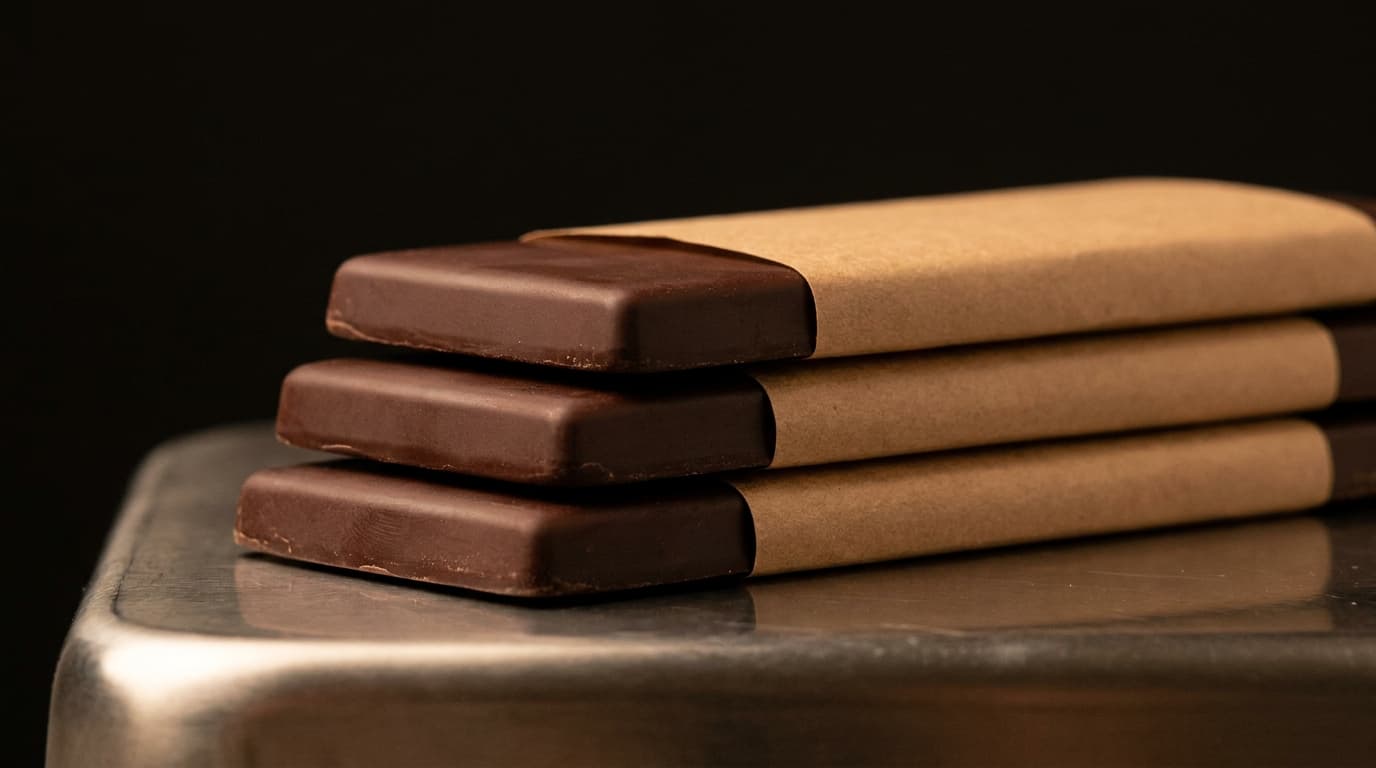
Table of Contents
- 01Private Label vs. White Label: What Is the Difference?
- 02Why Wellness Brands Are Launching Their Own Ceremonial Cacao Line
- 03Minimum Order Quantities: What to Expect
- 04What You Need Before Launching a Private Label Brand
- 05Origin Traceability as a Brand Differentiator
- 06Working With a Direct Exporter vs. Intermediaries
- 07The Private Label Process: From Sample to Shipment
- 08Building Buyer Trust Without Overpromising
- 09Getting Started
The wellness market has moved past reselling other companies' finished products. A growing number of yoga studios, retreat centers, functional-food brands, and independent wellness entrepreneurs now want their own labeled ceremonial cacao, sourced directly from origin rather than repackaged from a distributor. Building that kind of brand is entirely possible without owning a processing facility, but it requires understanding how private label sourcing actually works, what an origin exporter can and cannot customize, and what documentation separates a credible brand from an unverifiable one. This guide walks through the process from the perspective of an Ecuadorian exporter that works directly with wellness brands on private label ceremonial cacao paste.
Private Label vs. White Label: What Is the Difference?
The two terms are often used interchangeably, but they describe different arrangements. White label products are generic: the same formulation is sold to multiple buyers, who simply apply their own label to an unchanged product. Private label goes further. The buyer works with the manufacturer to define specifications that are, at least in part, exclusive to their brand — a particular block weight, a specific packaging format, or a defined origin story tied to one region or farm network. In ceremonial cacao specifically, most origin exporters offer a private label model: the paste itself is grown and processed under one consistent protocol, but the packaging, block format, and supporting documentation are built around the buyer's brand identity rather than sold as a shared, unbranded commodity.
Why Wellness Brands Are Launching Their Own Ceremonial Cacao Line
Facilitators, retreat centers, and wellness product companies increasingly see private label cacao as a natural extension of an existing customer relationship. A studio that already runs cacao ceremonies has a built-in audience that trusts its curation; selling that same audience a branded take-home product, rather than directing them to a third-party retailer, keeps the relationship and the margin in-house. For supplement and functional-food brands, ceremonial cacao paste also fills a gap: it is a single-ingredient, minimally processed product that fits cleanly into clean-label positioning, something increasingly difficult to achieve with heavily formulated products.
Minimum Order Quantities: What to Expect
Minimum order quantities for private label ceremonial cacao vary significantly by exporter and depend on production scale. Boutique, artisanal processors that limit output to protect quality — as we do, capping production at 4 to 6 metric tons per cycle — are generally more accessible to first-time private label buyers than large industrial suppliers built around full container loads. In practice, this means new brands can often start with our standard packaged formats, such as 25 kg vacuum-sealed blocks, rather than committing to container-scale volumes before validating demand. Buyers evaluating a supplier for the first time should request the exporter's standard formats and ask directly what the smallest private label trial order looks like, since MOQ policies differ from one processor to another and are rarely standardized across the industry.
What You Need Before Launching a Private Label Brand
Beyond selecting a supplier, launching a credible private label ceremonial cacao product involves several parallel workstreams:
- Packaging design: Ceremonial cacao is typically sold in solid blocks that require protection from oxidation, moisture, and temperature fluctuation. Your packaging supplier will need specifications on block dimensions and storage conditions from your cacao exporter before finalizing artwork and structural design.
- Regulatory compliance for your market: Depending on your country of sale, you may need to register the product as a food import, confirm labeling requirements (ingredient declaration, allergen statements, net weight), and verify that your supplier's facility meets the food safety standards your market requires, such as GMP certification or FDA facility registration for U.S.-bound shipments.
- Laboratory analysis: Buyers building a brand around quality and safety typically request lot-specific laboratory testing, most commonly heavy metal analysis (cadmium via ICP-MS), before a shipment leaves origin. This documentation becomes part of your own quality assurance file and can be referenced in your marketing without making unverified claims.
- Origin traceability documentation: A verifiable link between your finished product and a specific farm network, region, or harvest is one of the few differentiators a small brand can credibly claim in a crowded wellness category. This requires your exporter to provide sourcing details you can pass along, not just a generic "Ecuadorian cacao" label.
Origin Traceability as a Brand Differentiator
In a category where many products are visually and functionally similar, a documented origin story is one of the strongest tools a private label brand has. Our ceremonial paste is grown across a network of approximately 100 allied farms in Manabí, Esmeraldas, and Pichincha, cultivated in biodiverse agroforestry systems ("chacras") without synthetic agrochemicals, under agronomist Andrea Dávila's protocol. That level of specificity, region, farming method, and named technical oversight, is something a brand can put directly into its own storytelling, provided the exporter can substantiate it with actual sourcing records rather than marketing language alone. For private label buyers, we recommend requesting the same origin documentation we use internally so it can be referenced accurately rather than paraphrased.
Working With a Direct Exporter vs. Intermediaries
Many wellness brands start by buying from an intermediary, distributor, or repackager rather than directly from the processing origin. This can be a reasonable entry point at very small volumes, but it introduces a layer between the brand and the actual production facility, which limits both cost efficiency and the brand's ability to verify its own claims. Working directly with an origin exporter, such as our facility in Cayambe, Pichincha, gives private label buyers direct access to processing details (roasting temperature, milling method, fat content), direct communication with the people managing farm relationships, and control over quality documentation, without the margin and information loss that comes from an added intermediary layer. It also means any customization to block size, packaging format, or lot-specific testing can be arranged directly rather than requested through a third party.
The Private Label Process: From Sample to Shipment
The typical sequence for a new private label buyer follows a predictable structure. First, request a representative sample, generally 1 to 5 kilograms, to test the paste's texture, flavor, and how it performs with your intended recipe or packaging format; samples are usually dispatched within a few business days if stock is available, with courier costs covered by the buyer. Second, define your specifications: block weight, packaging materials, and any lab testing you require for your launch documentation. Third, place a trial order at the exporter's standard or minimum private label volume before scaling to larger, recurring purchases. Payment structures in this category are commonly split, such as an advance payment before production and a balance due against shipping documents once the order is ready to leave port, with logistics documents (bill of lading, export declaration, phytosanitary certificate) provided for customs clearance in your destination market.
Building Buyer Trust Without Overpromising
A private label brand's credibility rests on what it can document, not on unverifiable superlatives. Rather than making broad wellness or medical claims about the product, credible private label brands lean on facts that can be sourced and defended: a specific region of origin, a named farm network, a documented processing protocol, and third-party lab results where relevant. This approach protects the brand from regulatory risk in markets with strict health-claim rules and, in practice, tends to build more durable trust with wellness-sector customers who are increasingly skeptical of vague marketing language.
Getting Started
If you are evaluating whether to launch a private label ceremonial cacao line, the most efficient next step is a direct conversation with a potential supplier about your volume expectations, target market, and documentation needs, rather than researching in the abstract. You can review our sourcing and processing standards in our ceremonial cacao wholesale guide, see our current packaging formats on the ceremonial paste product page, and request a sample or discuss private label terms through our contact page.
Ceremonial Paste
Interested in sourcing this product directly from our factory in Cayambe, Pichincha?
Frequently Asked Questions About This Topic
What is the difference between private label and white label ceremonial cacao?
White label products are generic, with the same formulation sold to multiple buyers under different labels. Private label lets the buyer define specifications partly exclusive to their brand, such as block weight, packaging format, or documented origin story.
What is a typical minimum order quantity to start a private label ceremonial cacao brand?
MOQs vary by exporter. Boutique, artisanal processors with limited production cycles are generally more accessible to first-time buyers, often allowing new brands to start with standard packaged formats rather than full container volumes.
Do I need my own manufacturing facility to launch a private label brand?
No. Working directly with an origin exporter that offers private label packaging and documentation lets you launch a branded product without owning a processing facility.
What certifications and lab tests should I request from my cacao supplier?
Ask for GMP certification or FDA facility registration where relevant, and lot-specific laboratory testing such as heavy metal analysis (cadmium via ICP-MS), along with documented origin and sourcing details.
How long does it take to launch a private label ceremonial cacao product?
Timelines vary, but the typical sequence involves requesting a sample, defining packaging and testing specifications, and placing a trial order before scaling to larger recurring purchases.
Related articles
Sourcing Ceremonial Cacao Wholesale: A Guide for B2B Buyers
What makes cacao truly ceremonial? Learn the criteria for sourcing pure, high-fat, traceable cacao paste from Manabí, Ecuador.
Read ArticleFrom Bean to Brick: The Artisanal Process of Making Ceremonial Cacao Paste
Follow the journey of Nacional Arriba cacao beans as they are fermented, dried, lightly toasted, and stone-ground into pure ceremonial paste.
Read ArticleCeremonial Cacao Dosage, Preparation, and Sensory Effects: A B2B Guide
An essential B2B guide for wellness facilitators. Learn correct ceremonial cacao dosages, preparation methods, and the science of theobromine.
Read Article