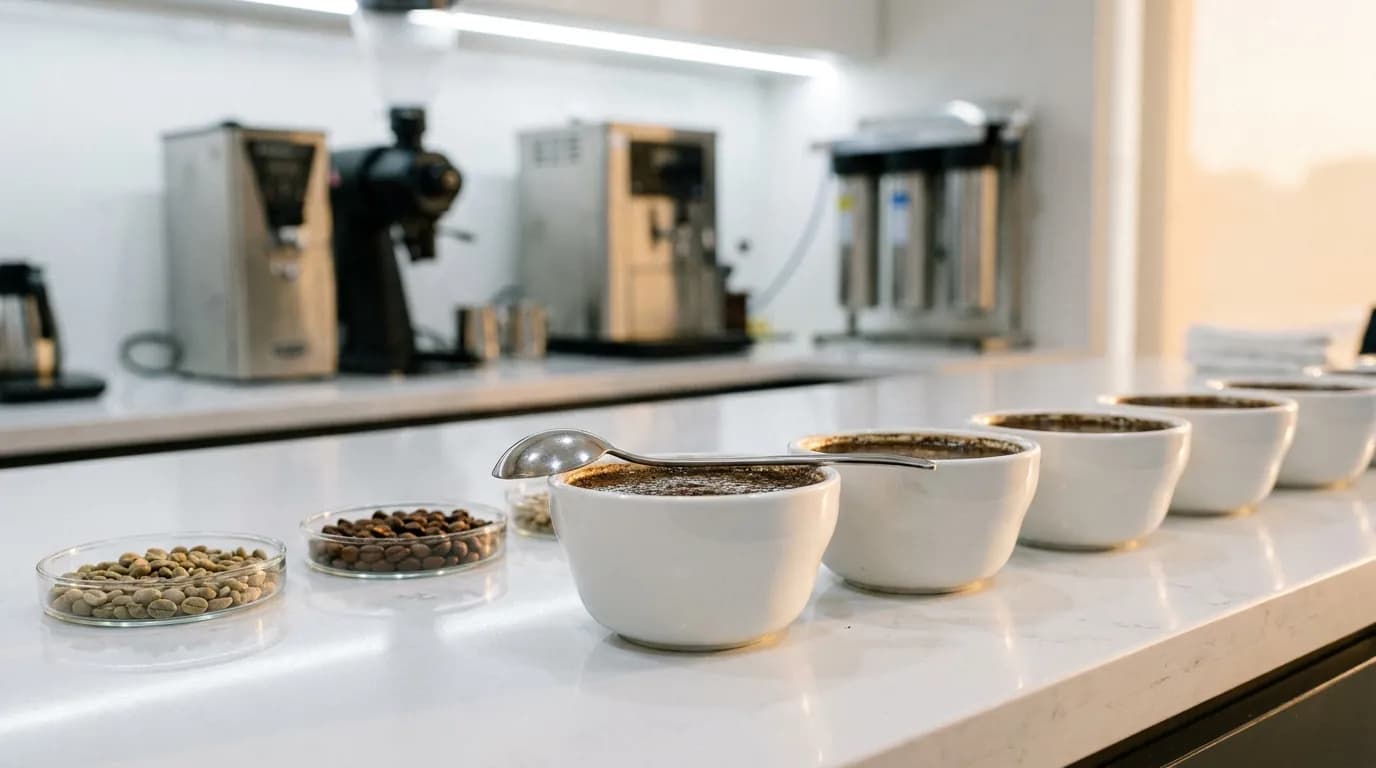
What is Specialty Coffee? Understanding the SCA Standards & Quality Ladder
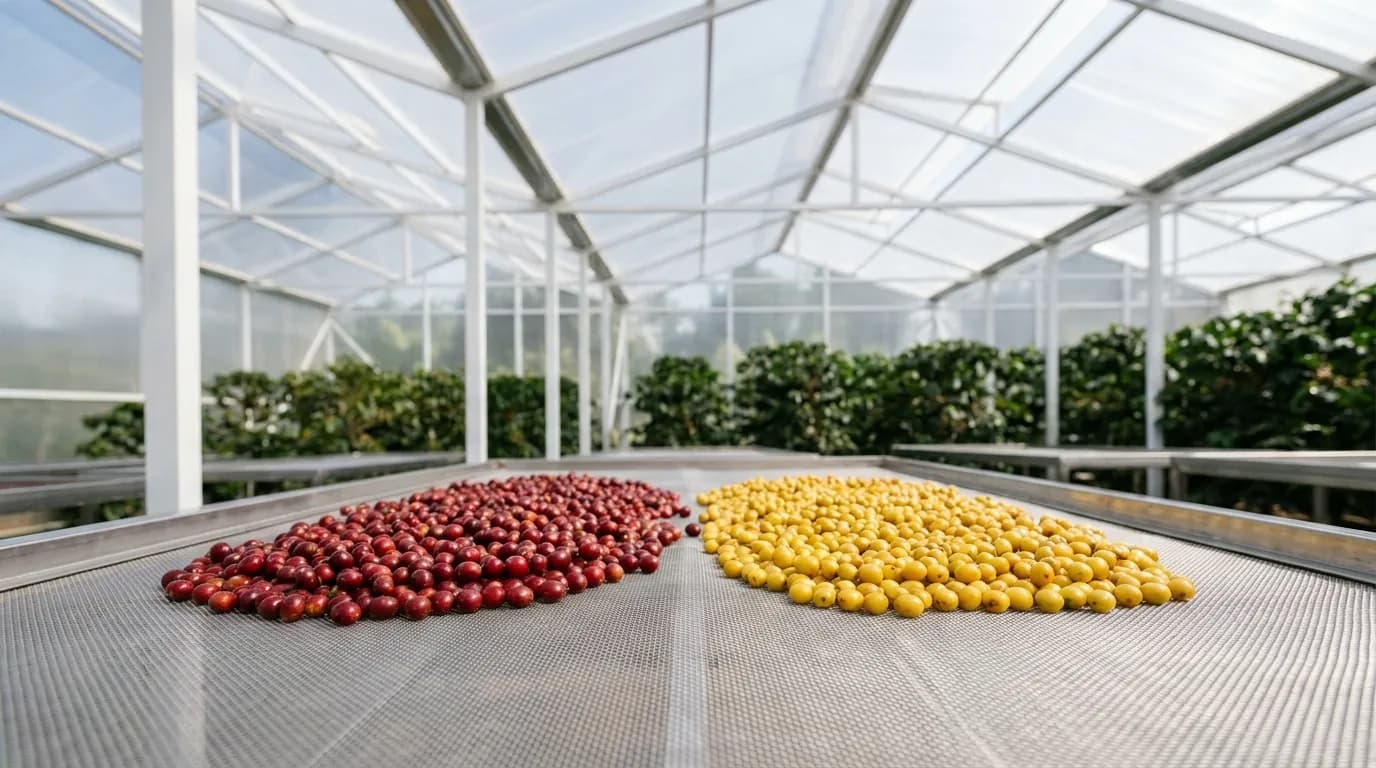
An in-depth look at what defines specialty coffee under Specialty Coffee Association (SCA) criteria, including sensory scoring, defects, and grading.
Technical updates on cocoa import compliance, soil mitigation, post-harvest chemistry, and direct specialty sourcing.

An in-depth look at what defines specialty coffee under Specialty Coffee Association (SCA) criteria, including sensory scoring, defects, and grading.

Discover the definition of a coffee microlot, how it differs from regional blends, and why it represents the peak of traceability for specialty roasters.

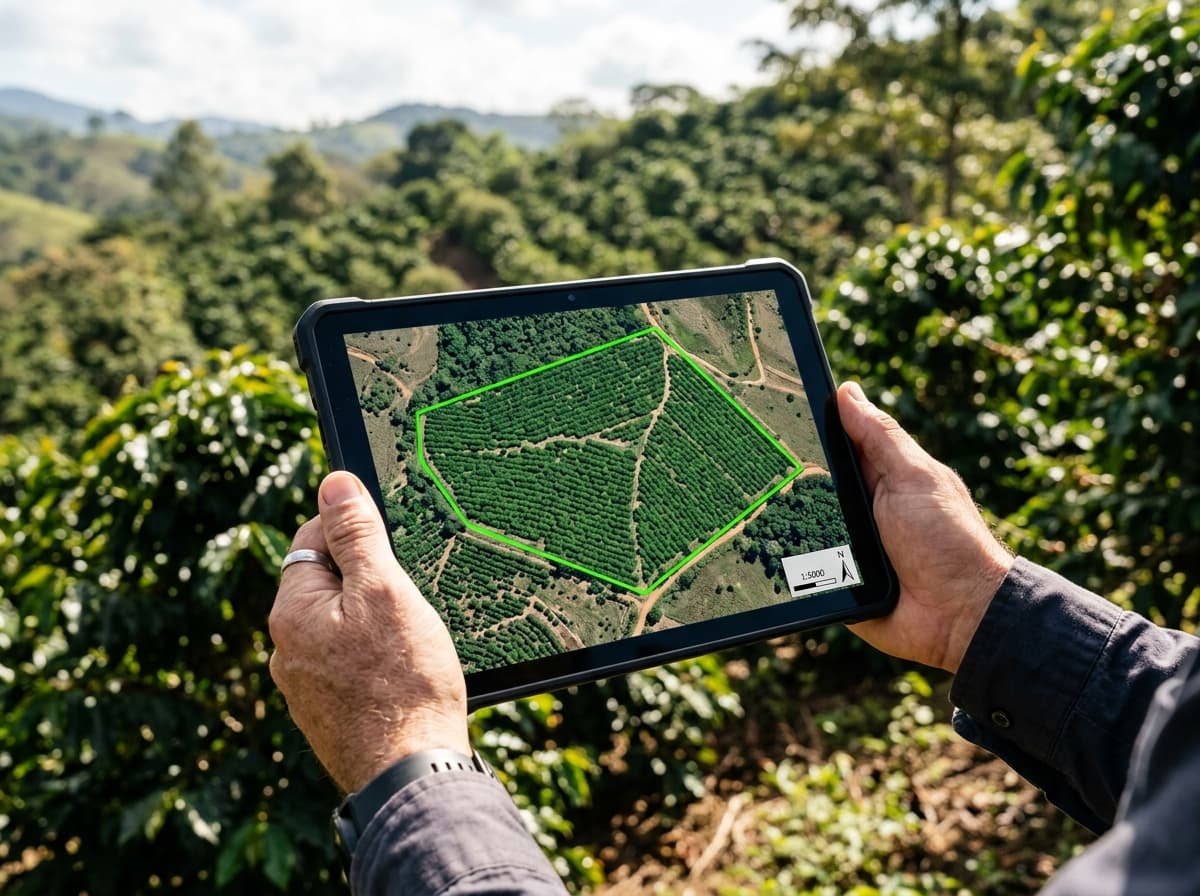
Understand the EU Deforestation Regulation (EUDR) requirements for coffee importers, including digital mapping, polygons, and due diligence.

Explore the biochemistry of coffee post-harvest processing. Learn how washed, natural, honey, and anaerobic ferments shape green bean acidity and sweetness.

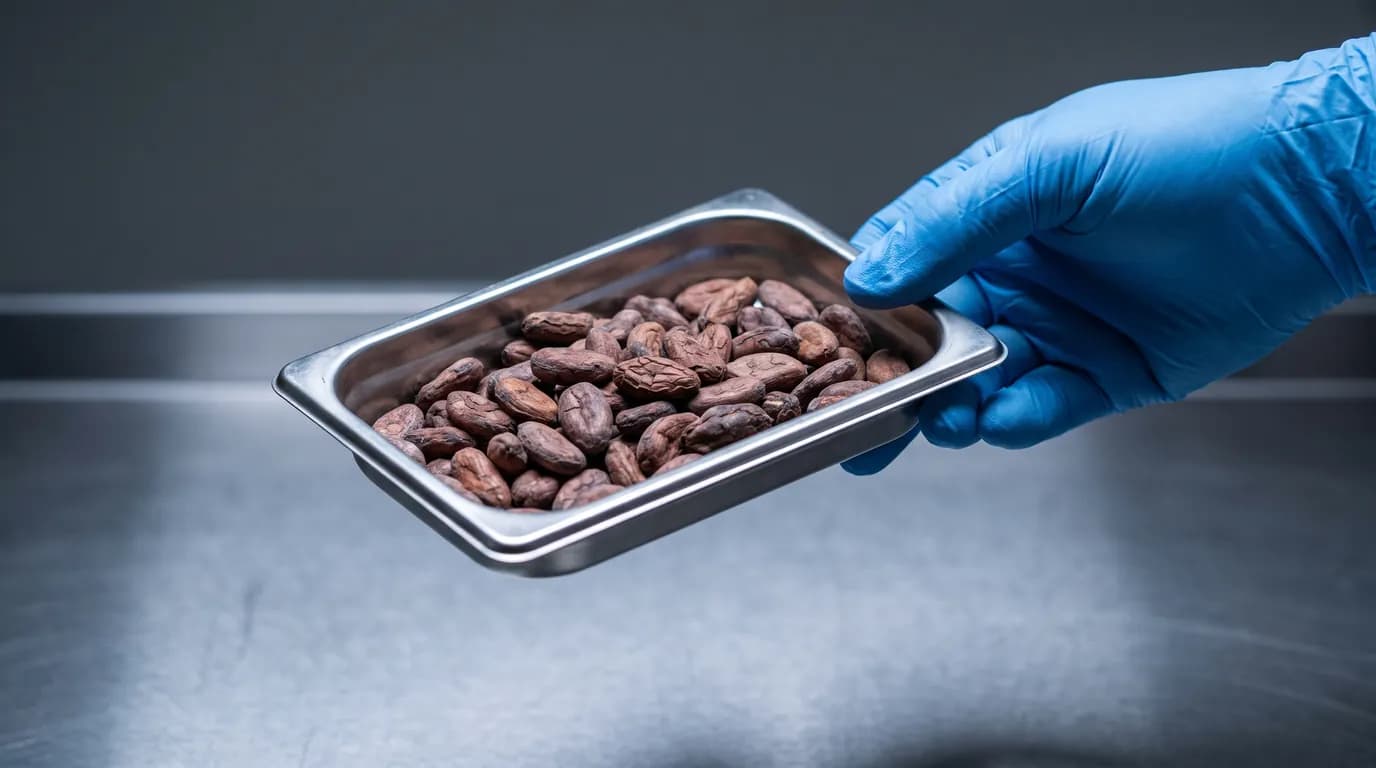
A complete guide to EU Regulation 488/2014 heavy metal limits for cacao imports. Learn how B2B buyers navigate compliance, testing, and soil mitigation.

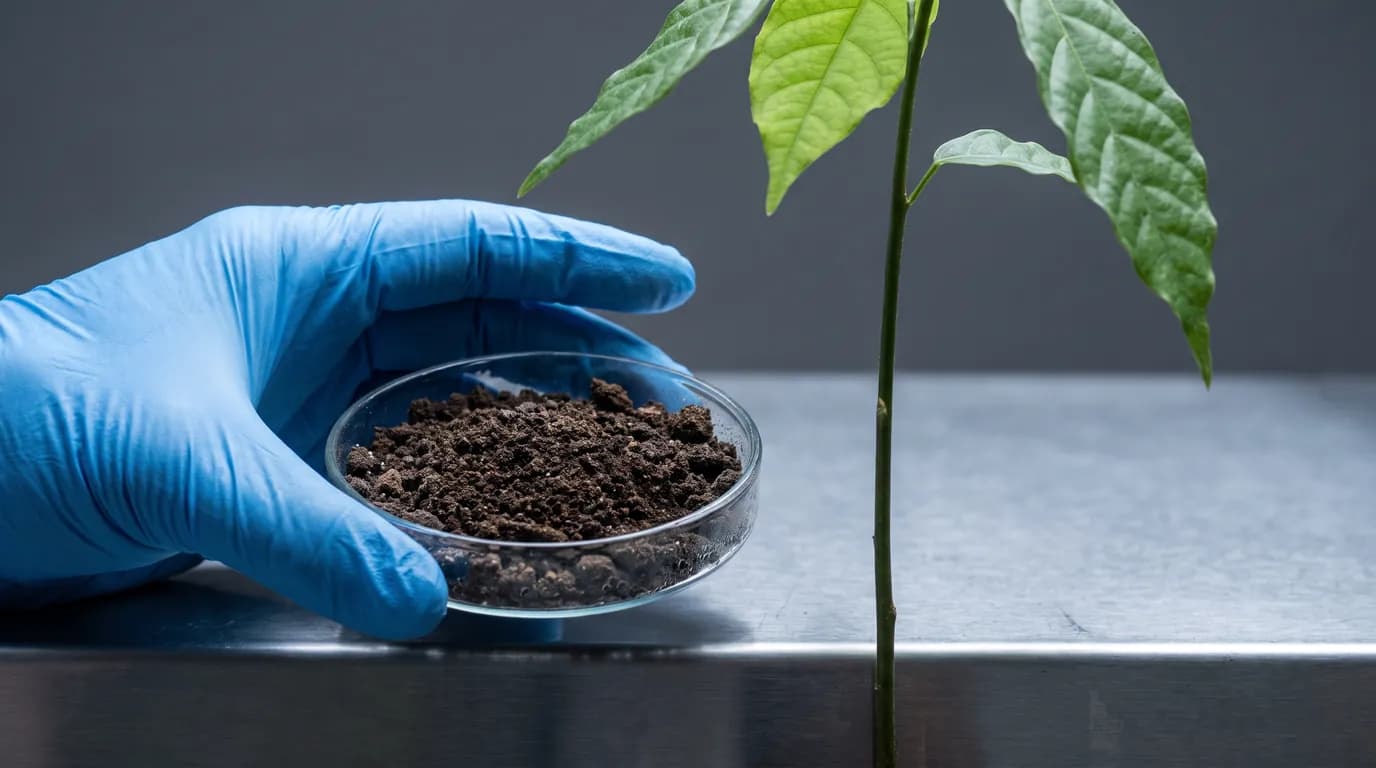
Explore the agronomic techniques and soil management practices used in Manabí to naturally reduce cadmium uptake in fine aroma cacao trees.

A step-by-step walkthrough of sourcing, contracting, and shipping wholesale cacao beans from the Port of Guayaquil to global destinations.
Demystifying the commercial standards for exporting cocoa from Ecuador. Learn the physical and chemical differences between ASE and ASSS grades.

What makes cacao truly ceremonial? Learn the criteria for sourcing pure, high-fat, traceable cacao paste from Manabí, Ecuador.

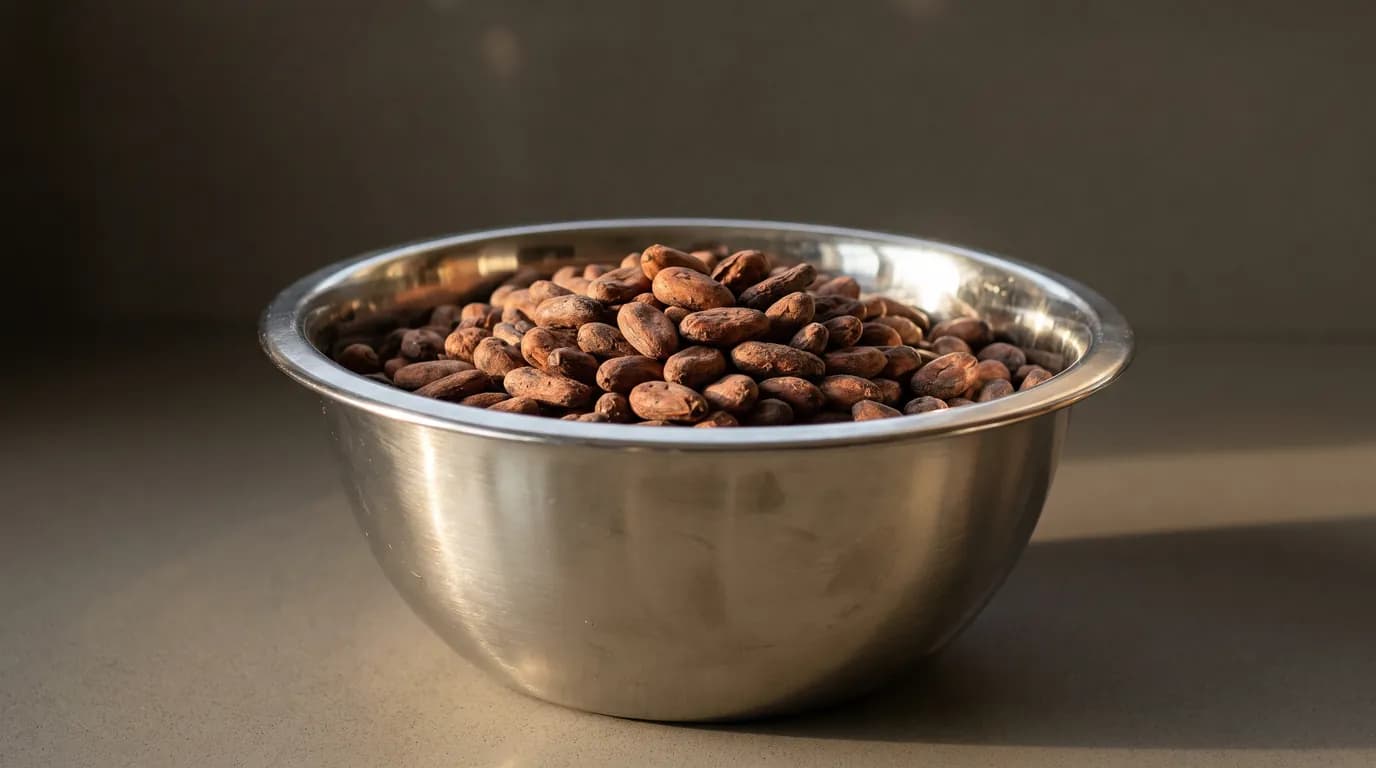
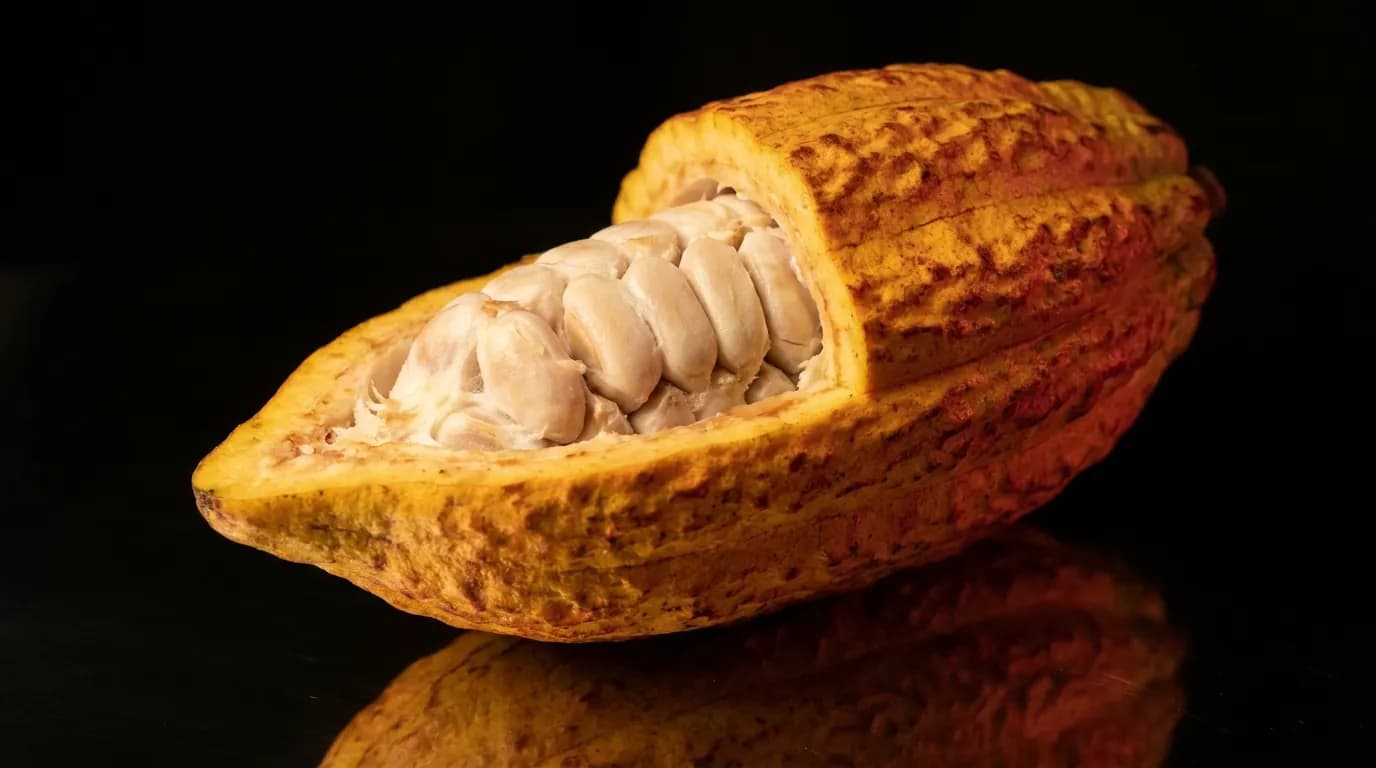
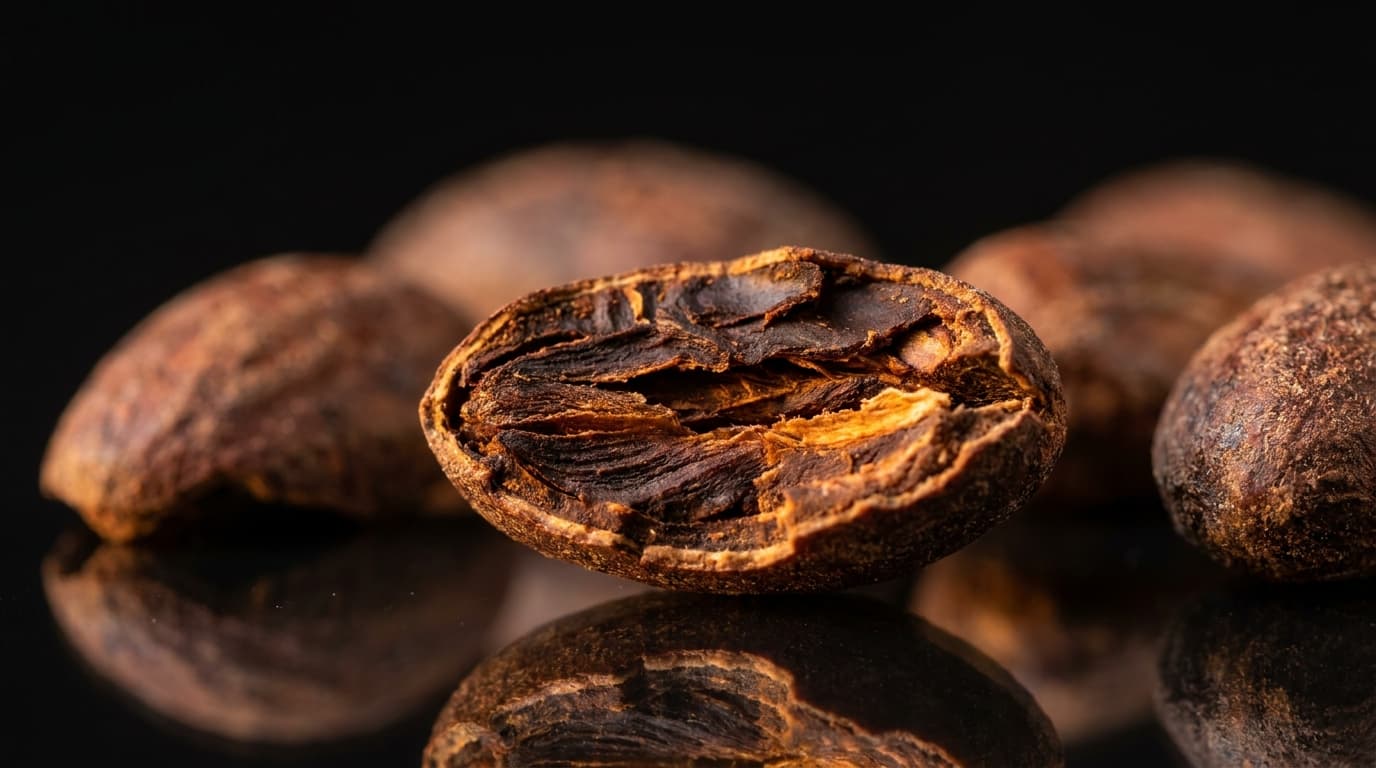
Follow the journey of Nacional Arriba cacao beans as they are fermented, dried, lightly toasted, and stone-ground into pure ceremonial paste.

Compare Ecuador's heirloom 'Nacional' fine aroma cacao with the high-yielding hybrid CCN-51. Why specialty chocolate makers choose heritage.

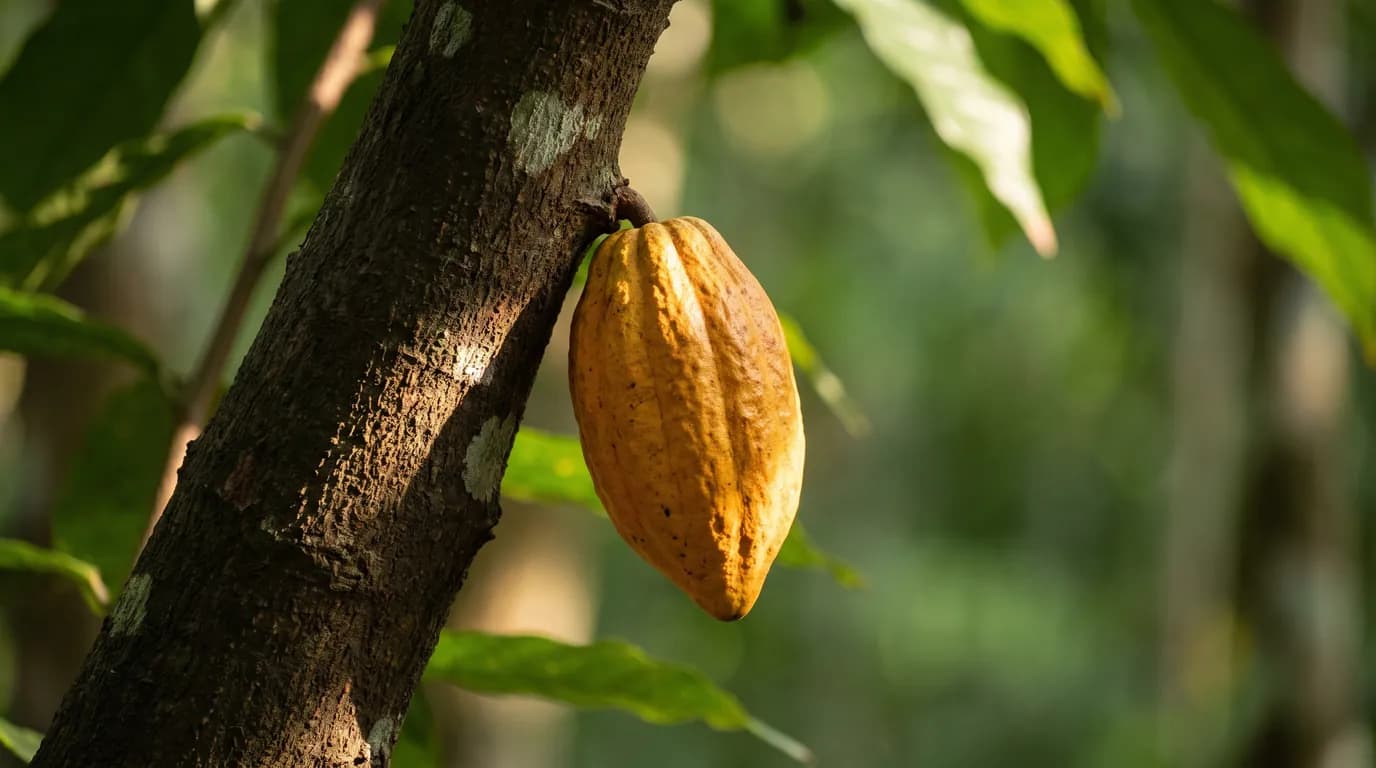
Discover how the unique climate, soil, and post-harvest methods of Manabí shape the sensory characteristics of Nacional Arriba cacao.

How direct-from-factory sourcing eliminates intermediate traders, ensures farm-level traceabilty, and yields superior cacao quality.

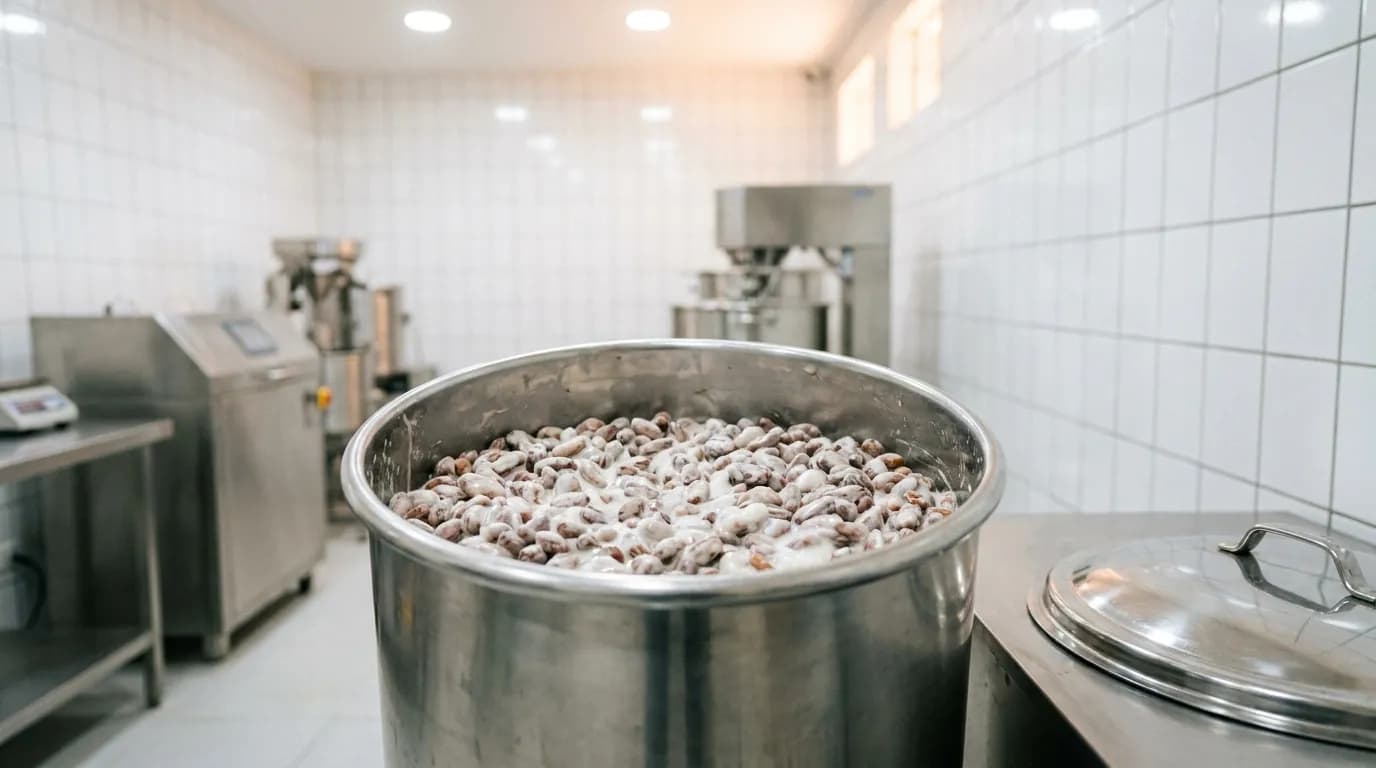
Discover how carefully controlled post-harvest fermentation and sun-drying at our factory unlock the complex aromas of fine flavor cacao.

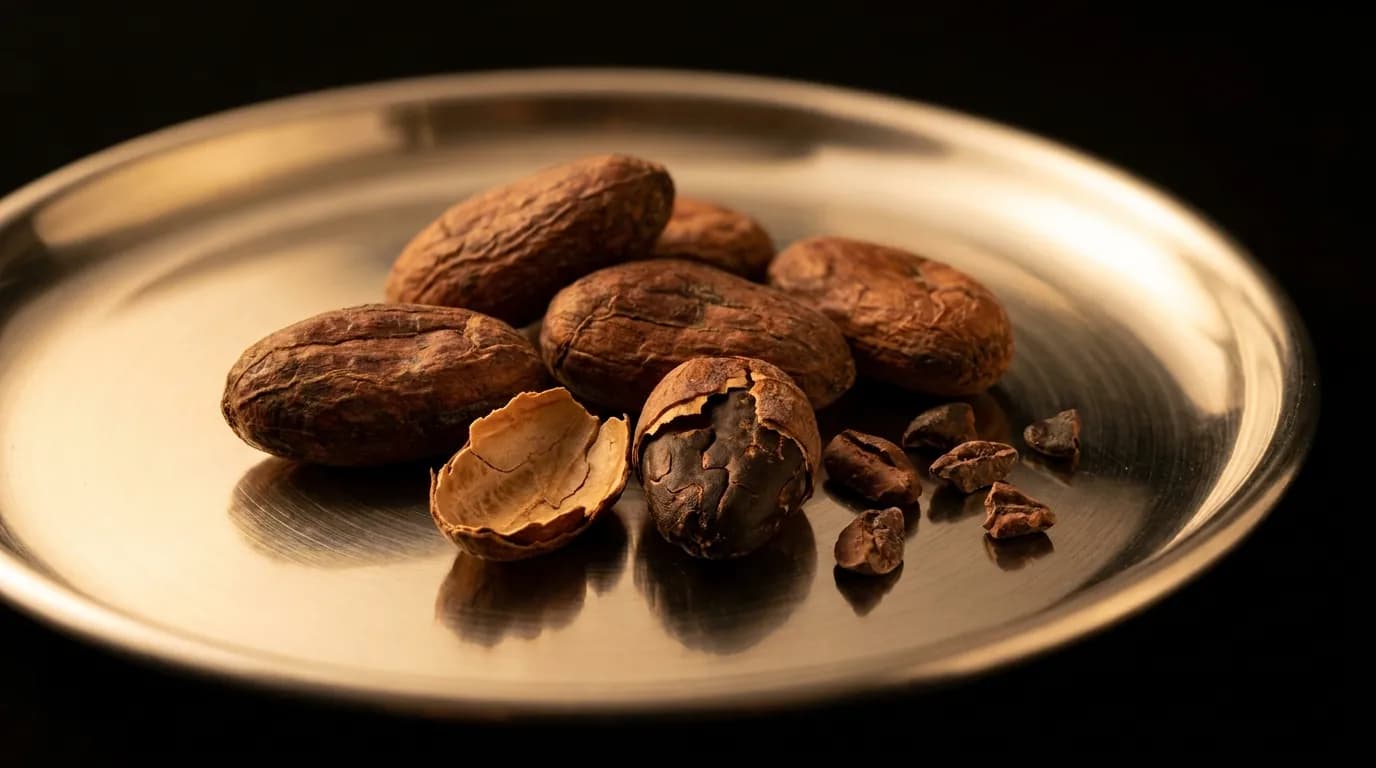
An exhaustive guide to Arriba Nacional fine aroma cacao beans. Learn about historical origins, B2B pricing mechanisms, and the direct export process from Manabí.

Learn how to prepare raw cacao beans at home or in an artisanal setup. A step-by-step guide to roasting, winnowing, grinding, and ceremonial preparation.

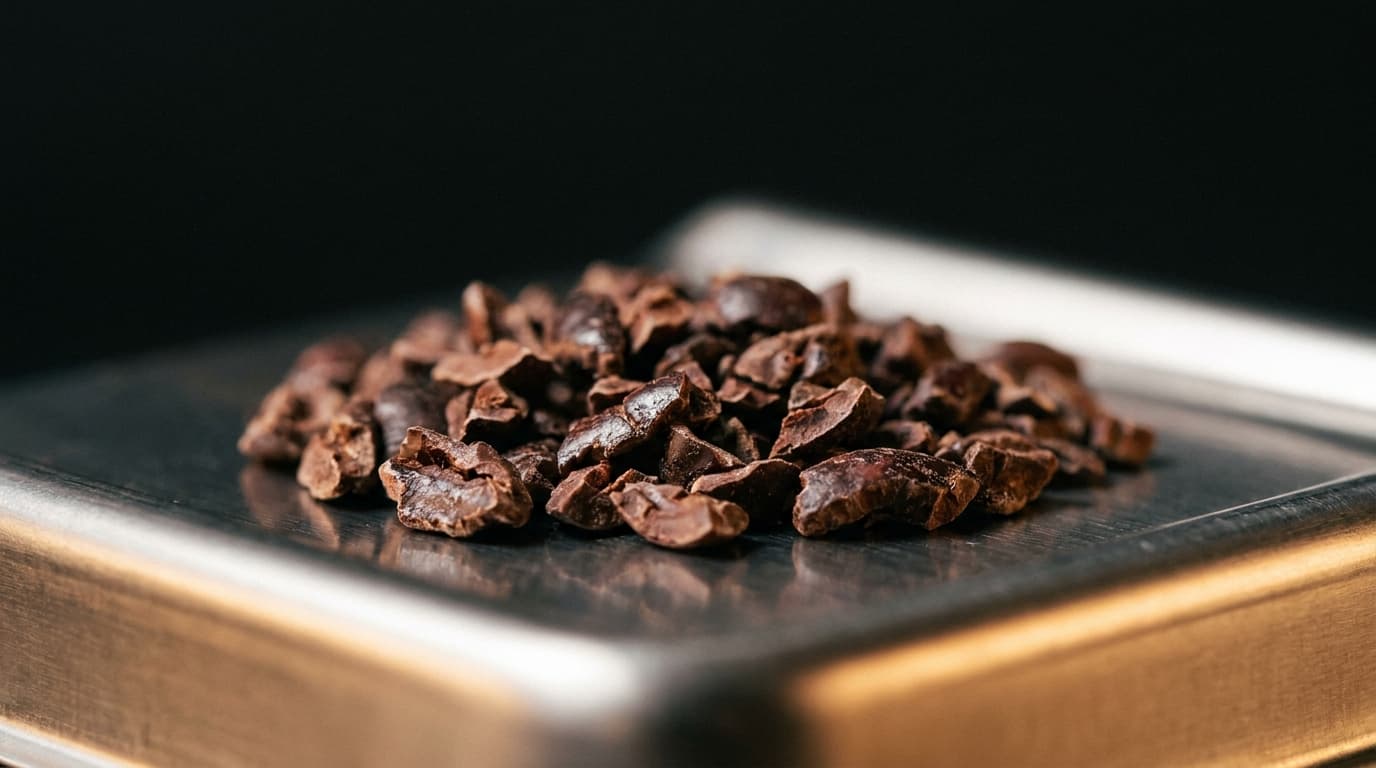
An in-depth analysis of cacao nibs nutritional value. Discover the science behind antioxidants, flavanols, and why sugar-free organic nibs are healthy.

Discover the role of cacao nibs in large-scale food manufacturing. A guide to bakery, granola, snack bars, chocolate inclusions, and wholesale logistics.

An essential B2B guide for wellness facilitators. Learn correct ceremonial cacao dosages, preparation methods, and the science of theobromine.

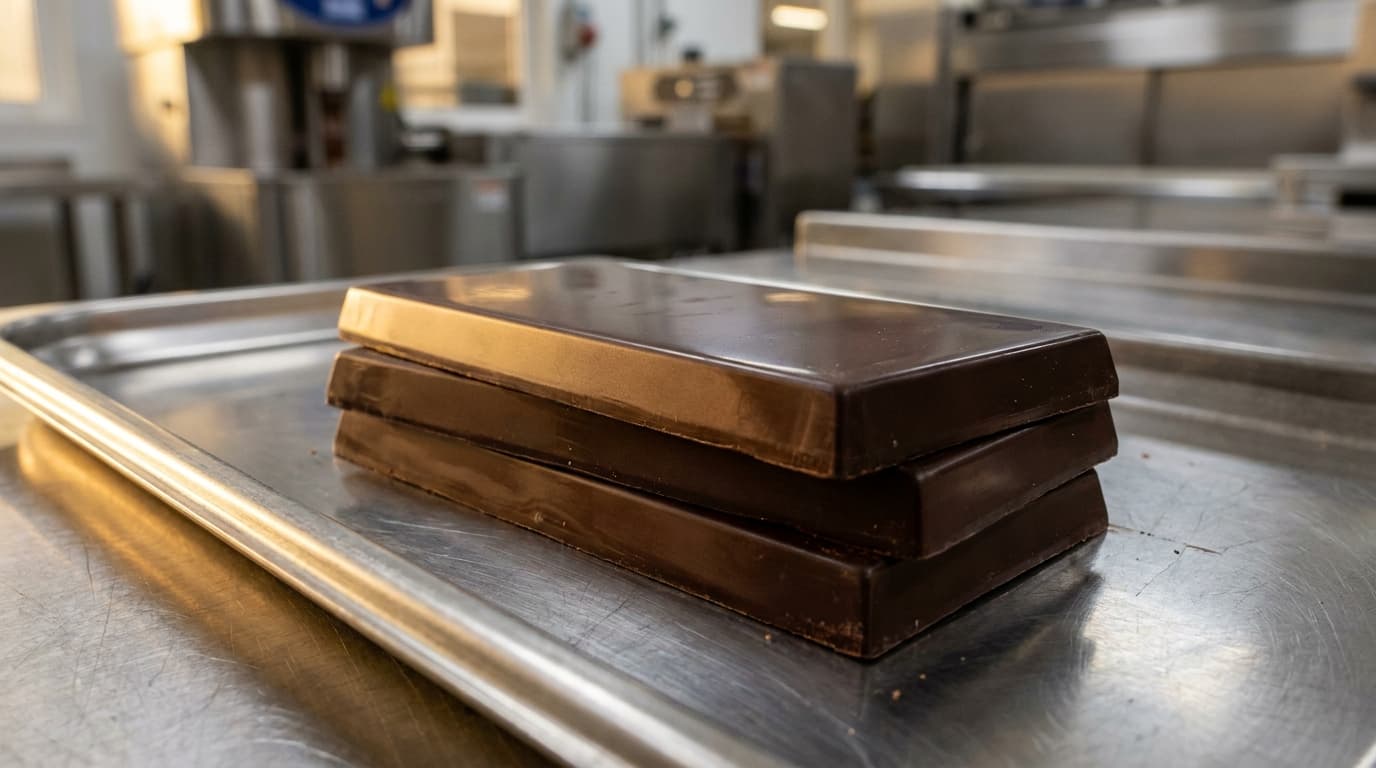
An essential B2B guide comparing industrial cocoa liquor (cocoa mass) and stone-ground ceremonial cacao paste. Understand processing and specifications.

A technical B2B guide to industrial cocoa liquor applications. Discover its role in confectionery, ice creams, compound coatings, and B2B specs.

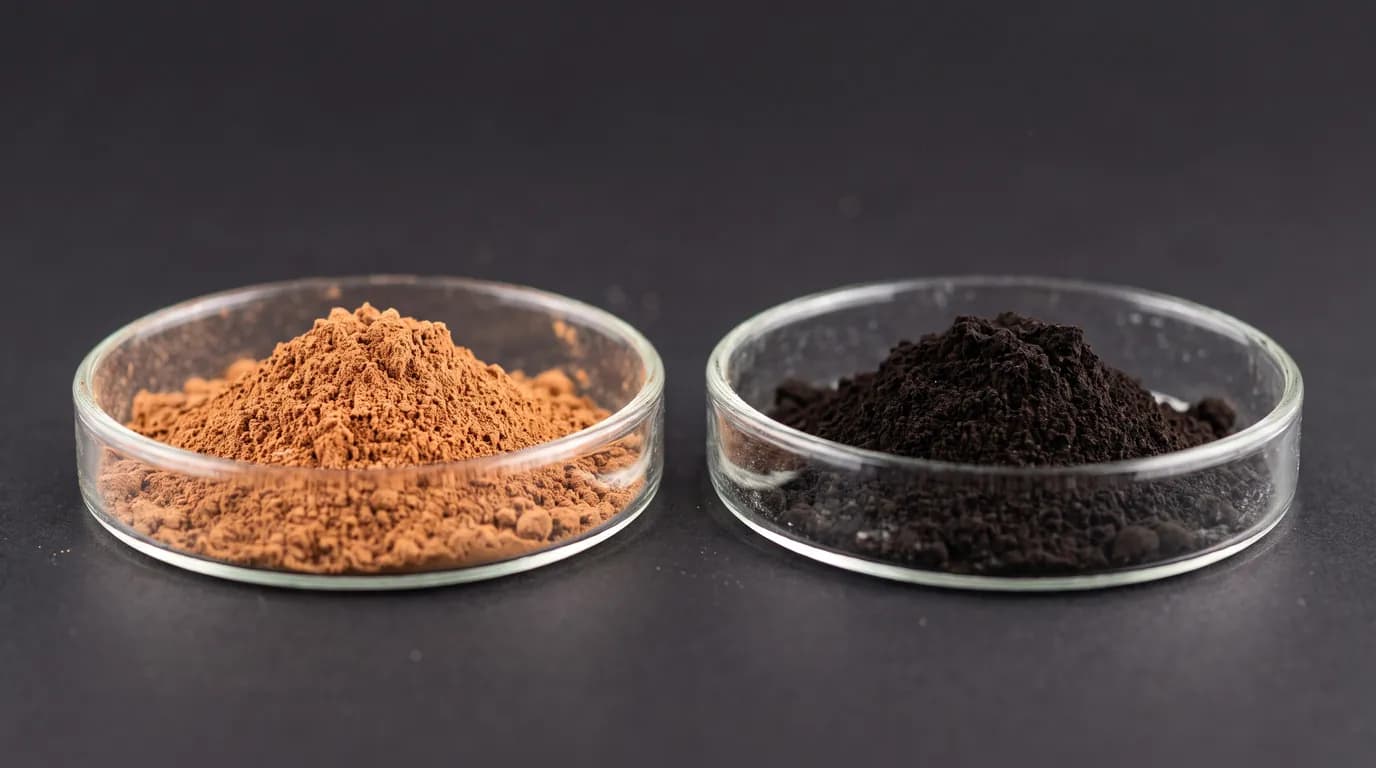
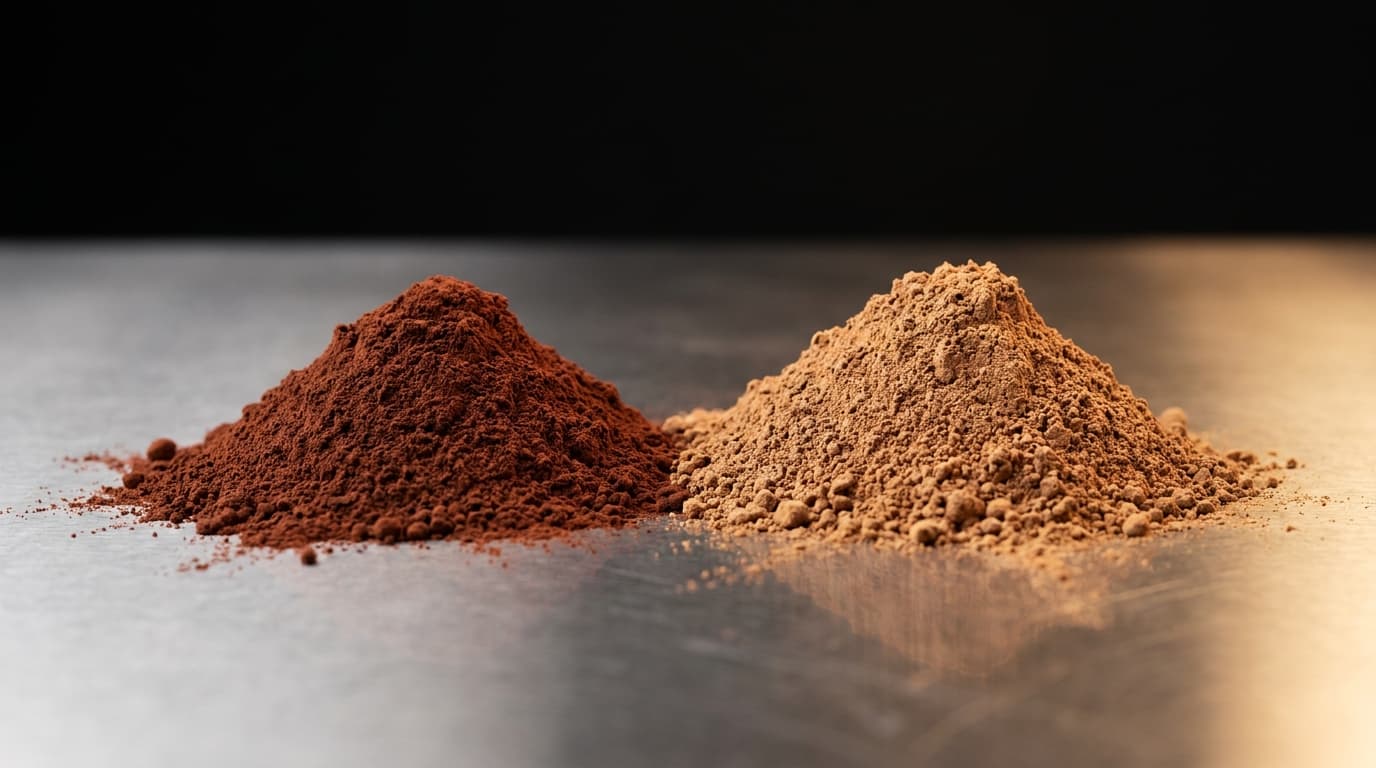
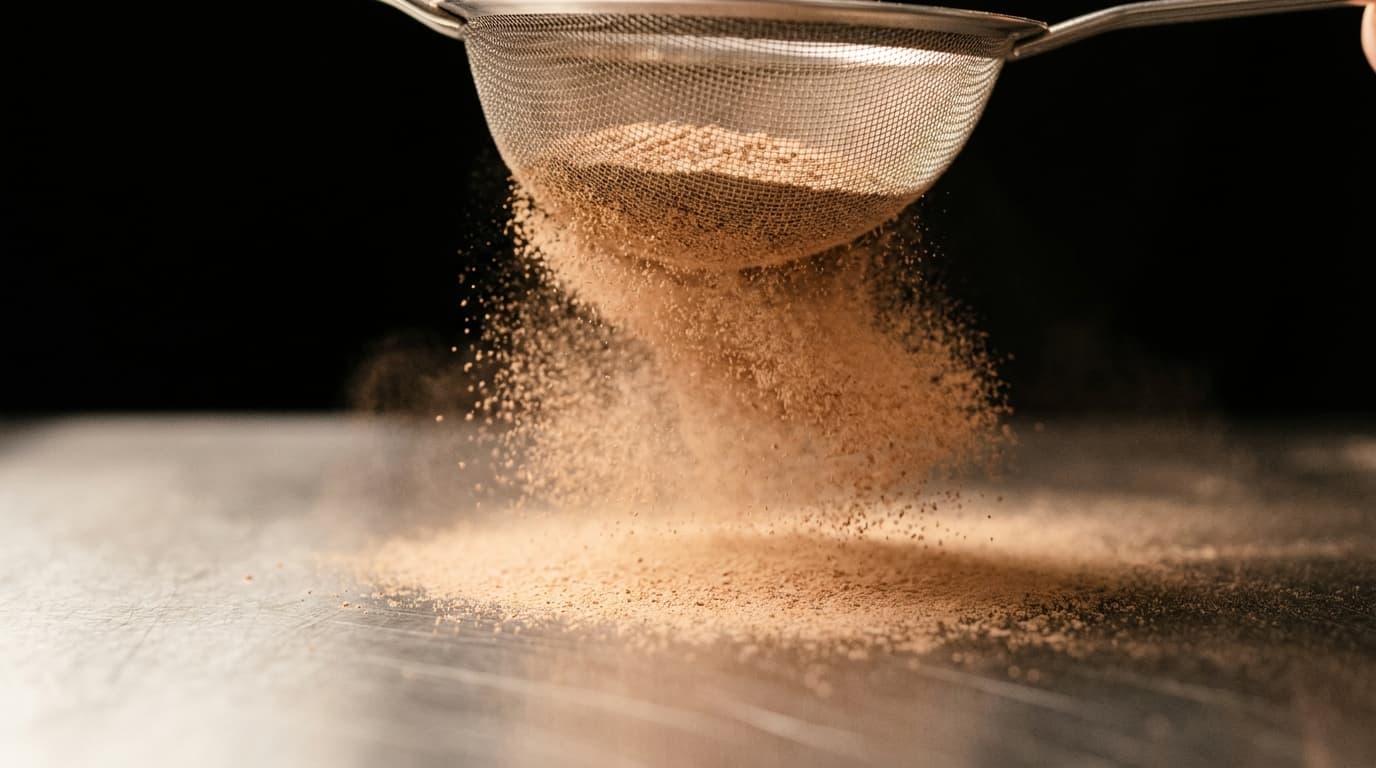
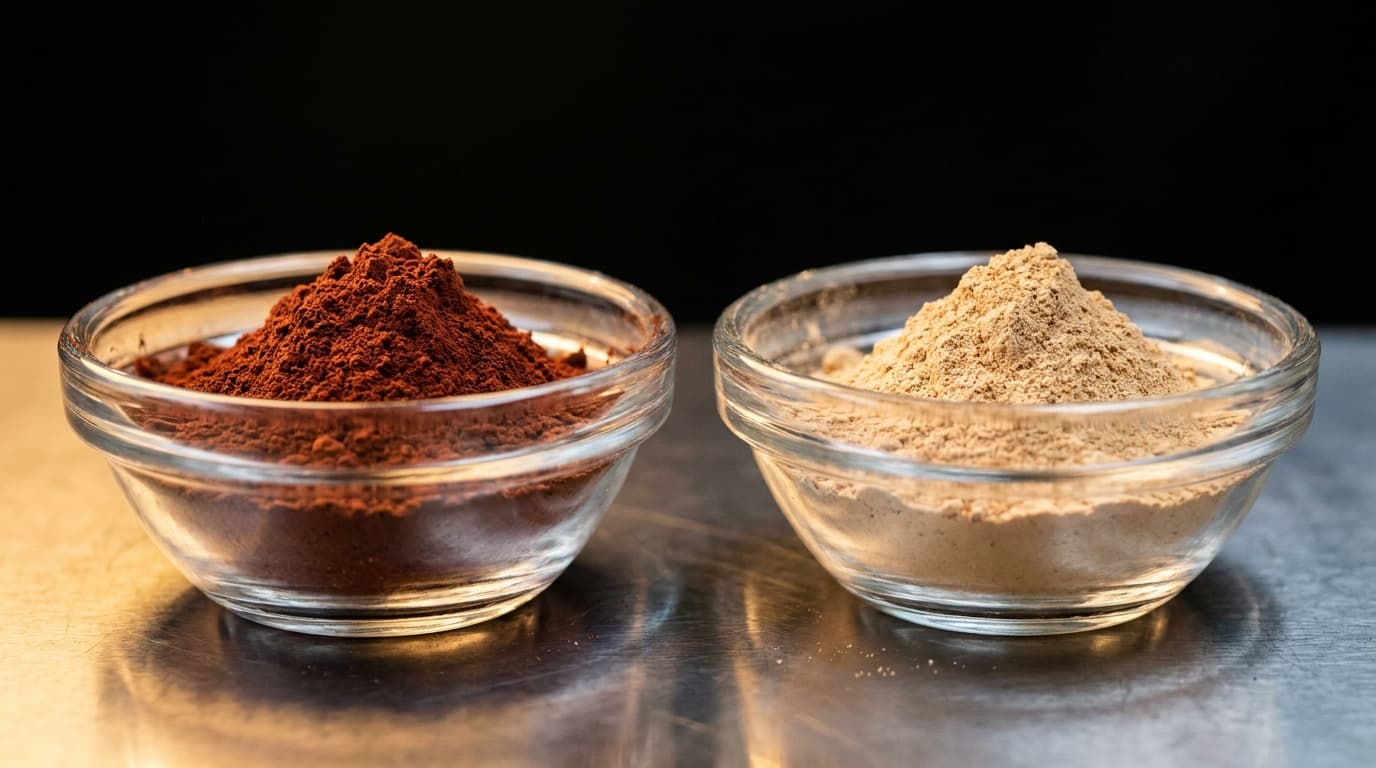
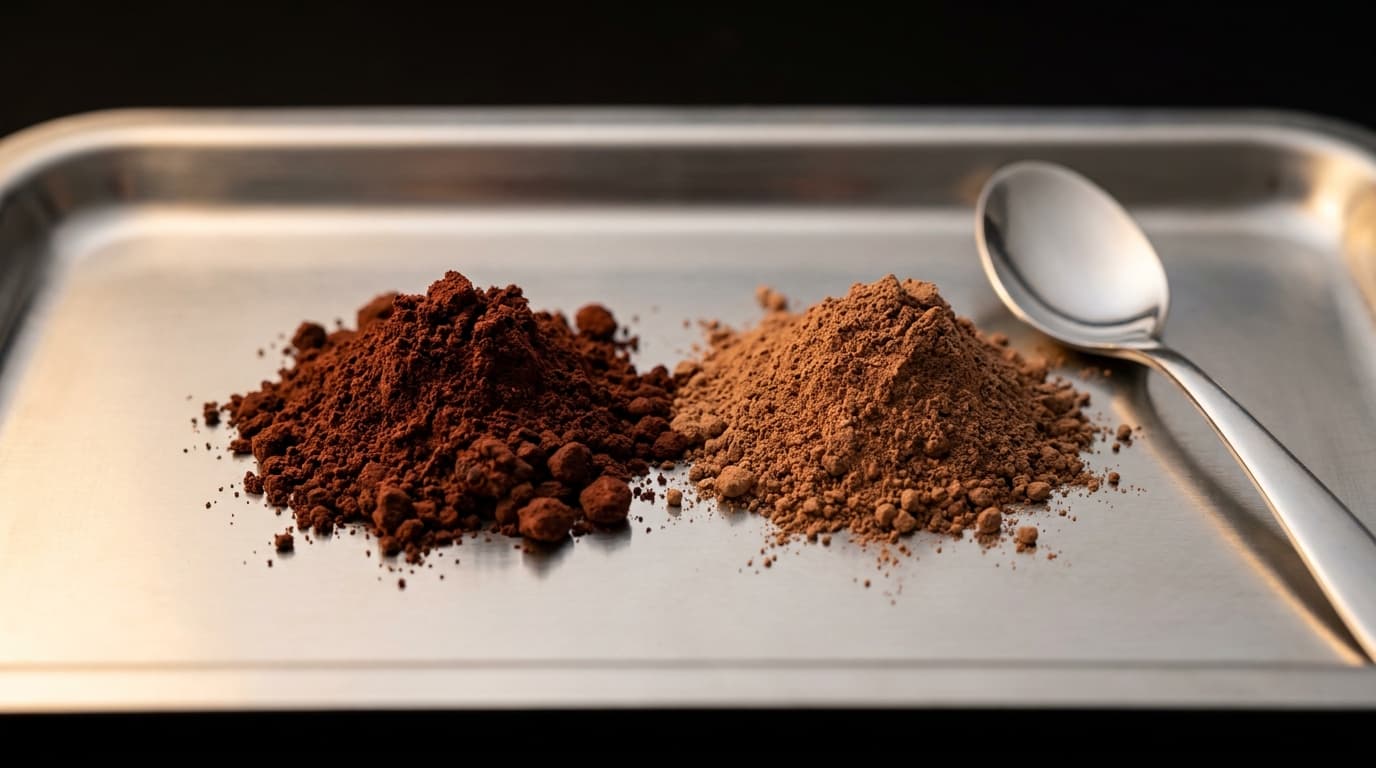
A technical comparison between natural and alkalized (Dutch-process) cocoa powder. Learn about pH levels, solubility, B2B food applications, and quality specs.

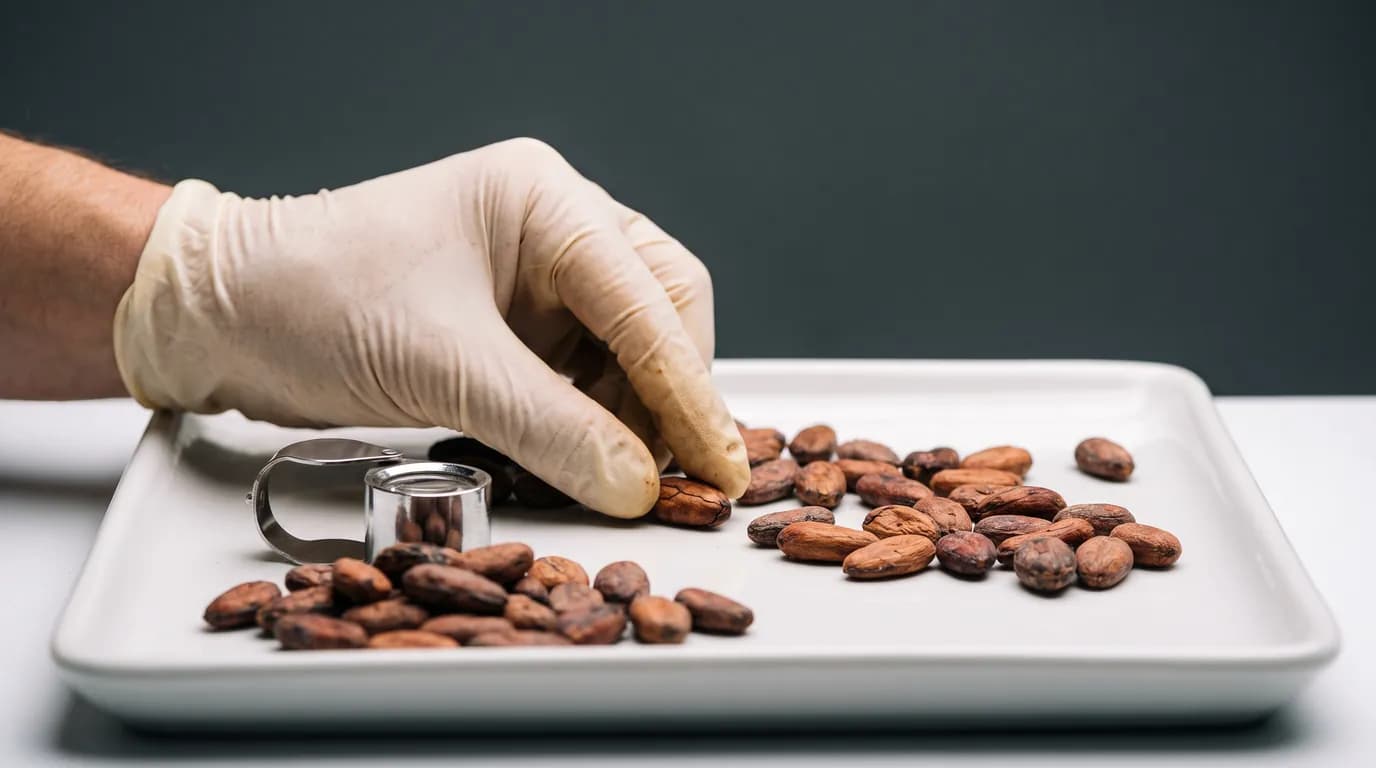
A detailed B2B sensory analysis of fine aroma cacao. Learn how to cup cacao beans, evaluate floral profiles, and understand the price premium over CCN-51.

A scientific analysis of cadmium accumulation and distribution in cacao derivatives. Learn about EU Regulation 488/2014 limits and soil mitigation protocols.

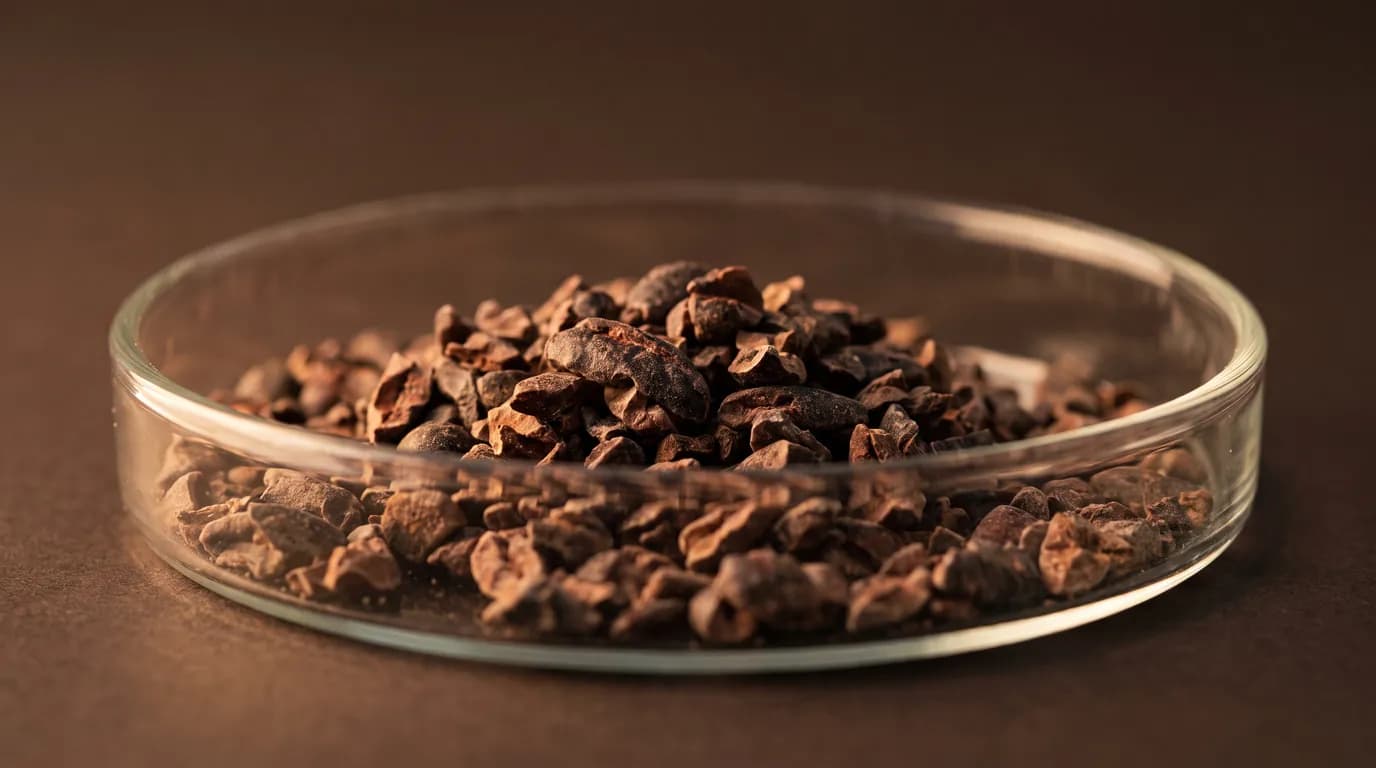
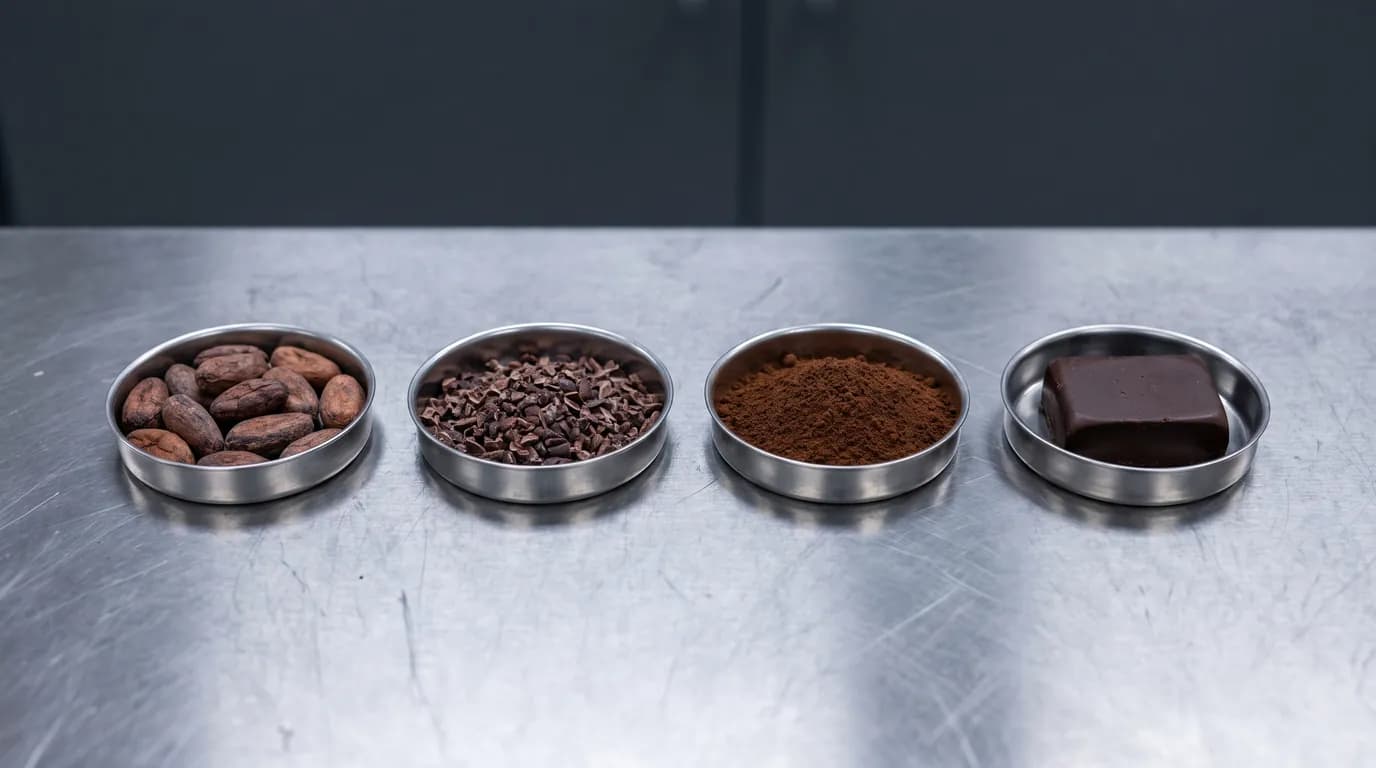
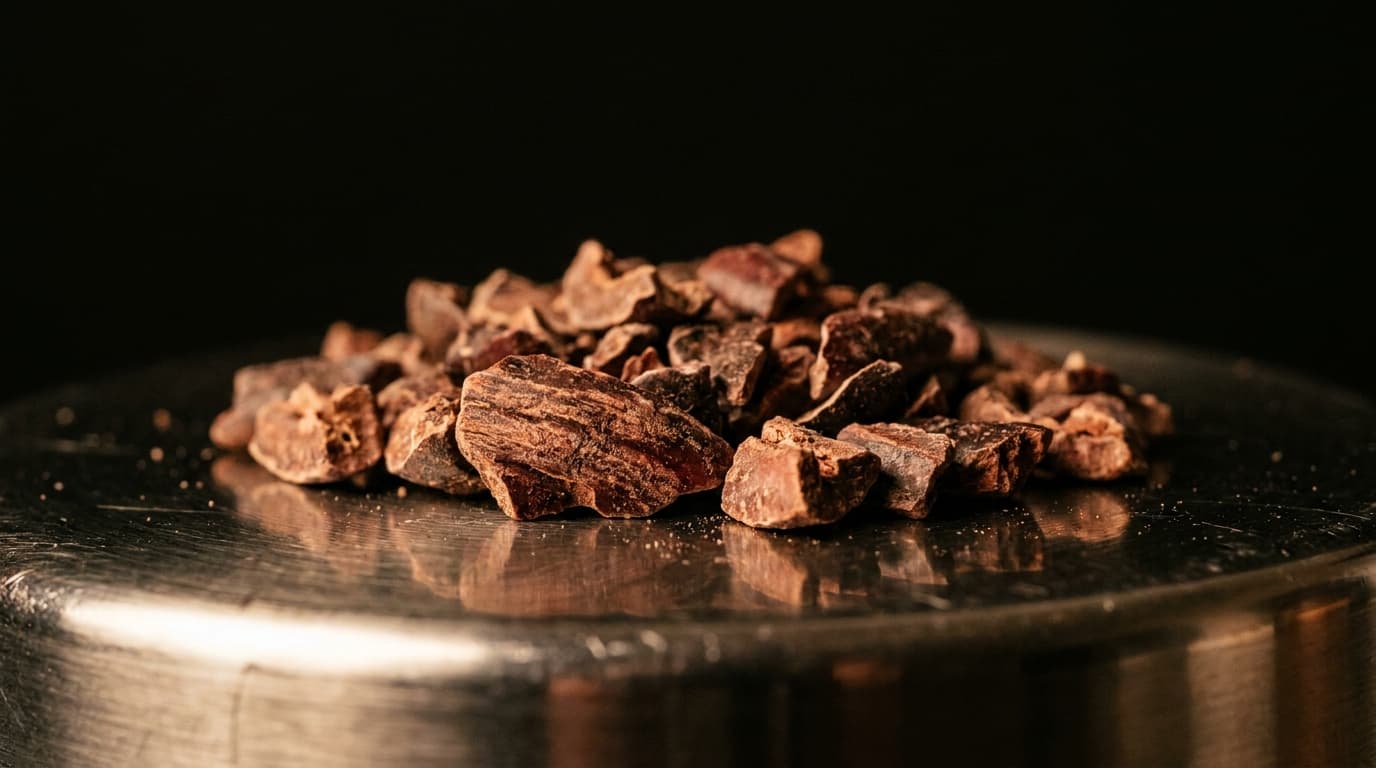
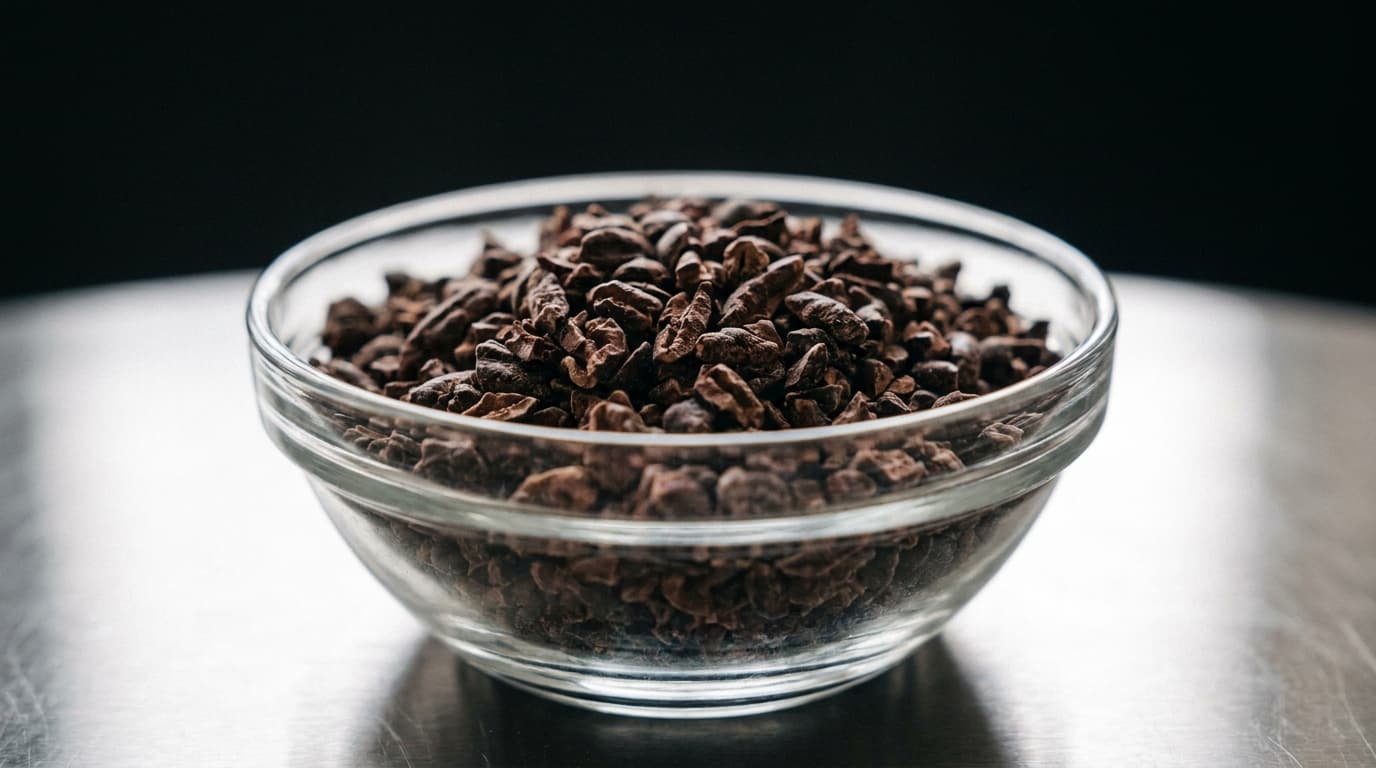
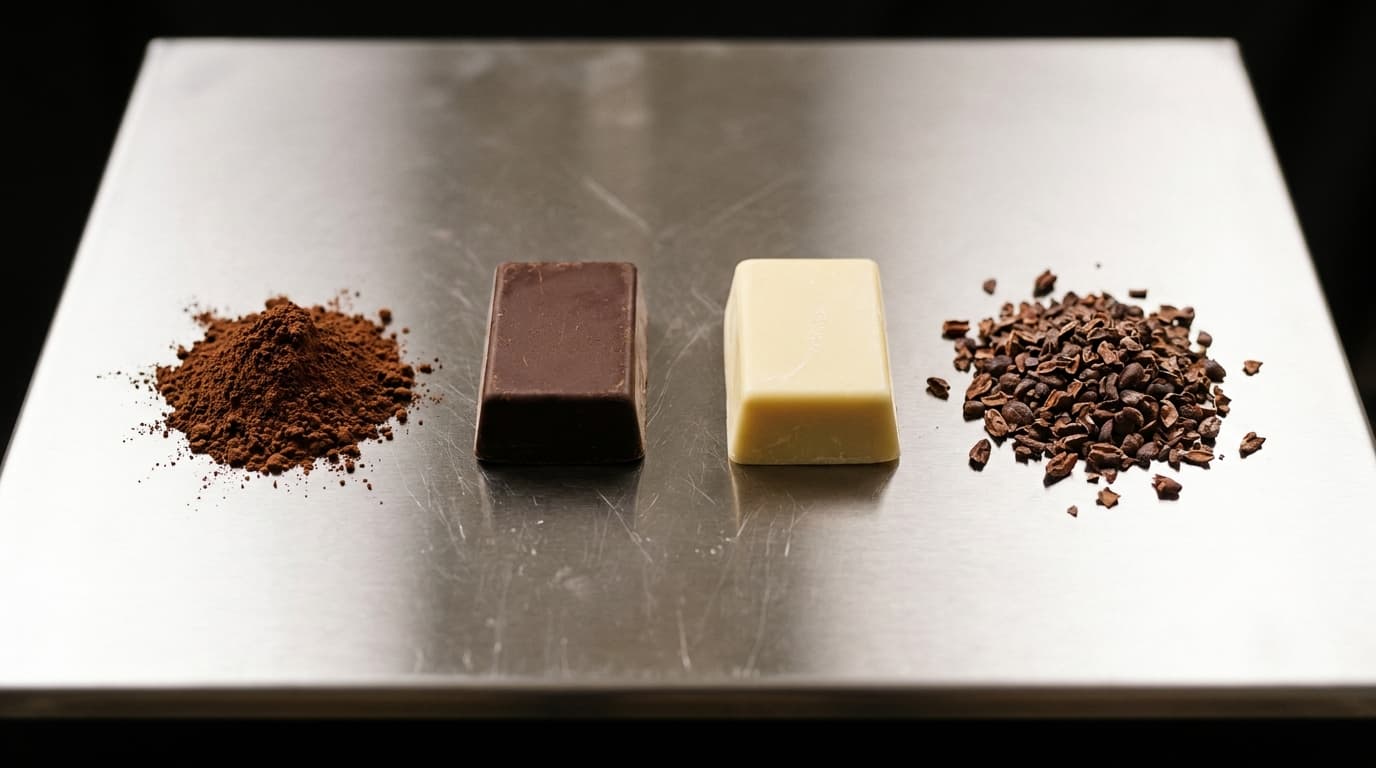
A clear, no-jargon definition of cacao nibs: how they're made from bean to nib, how they differ from chocolate and cocoa powder, and how they're used.

The glycemic profile of cacao nibs explained: zero sugar, fiber, and flavanols, what the science suggests about insulin sensitivity, and diabetic-friendly formulation uses.

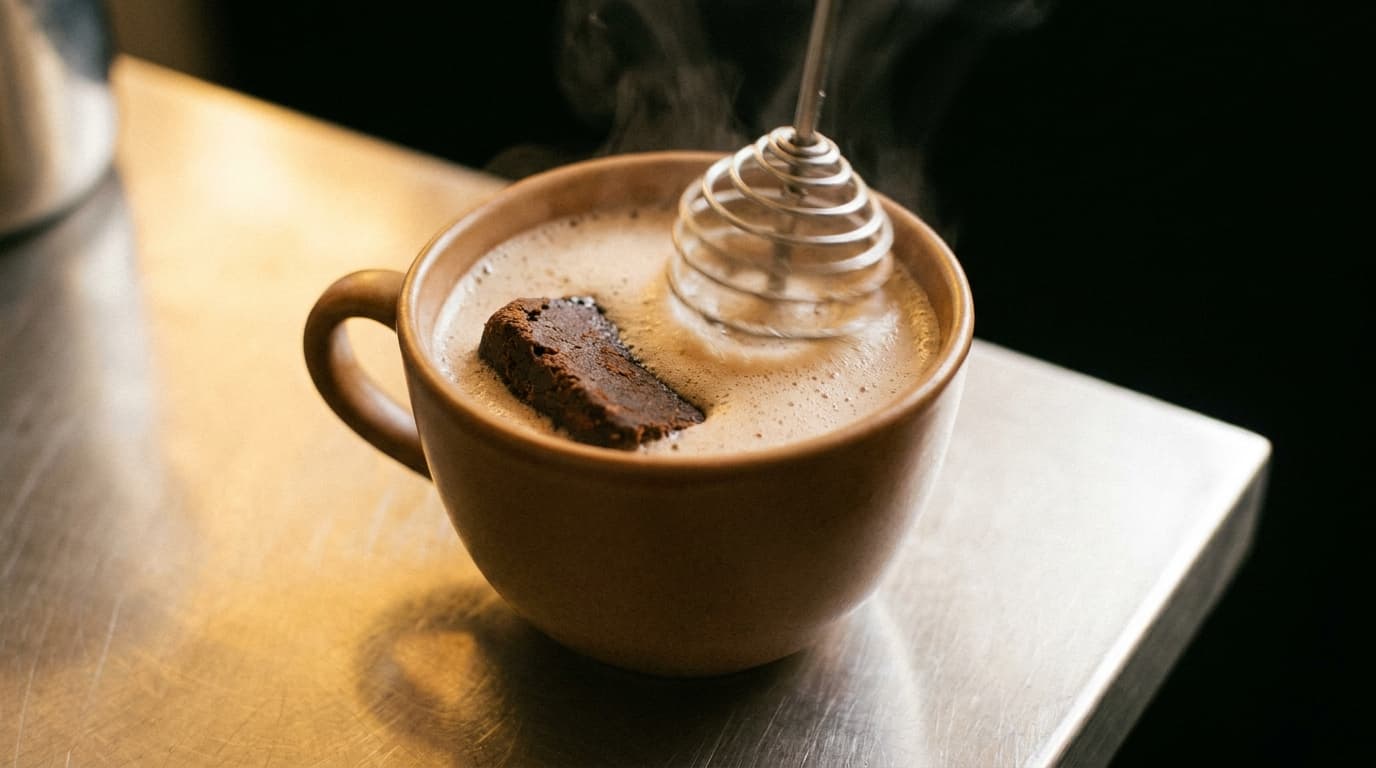
A practical, step-by-step recipe for ceremonial cacao: the correct paste-to-water ratio, ideal temperature, whisking technique, and variations for facilitators.

A B2B guide for wellness brands: private label vs. white label, typical MOQs, packaging and lab requirements, and how to work directly with an origin exporter.

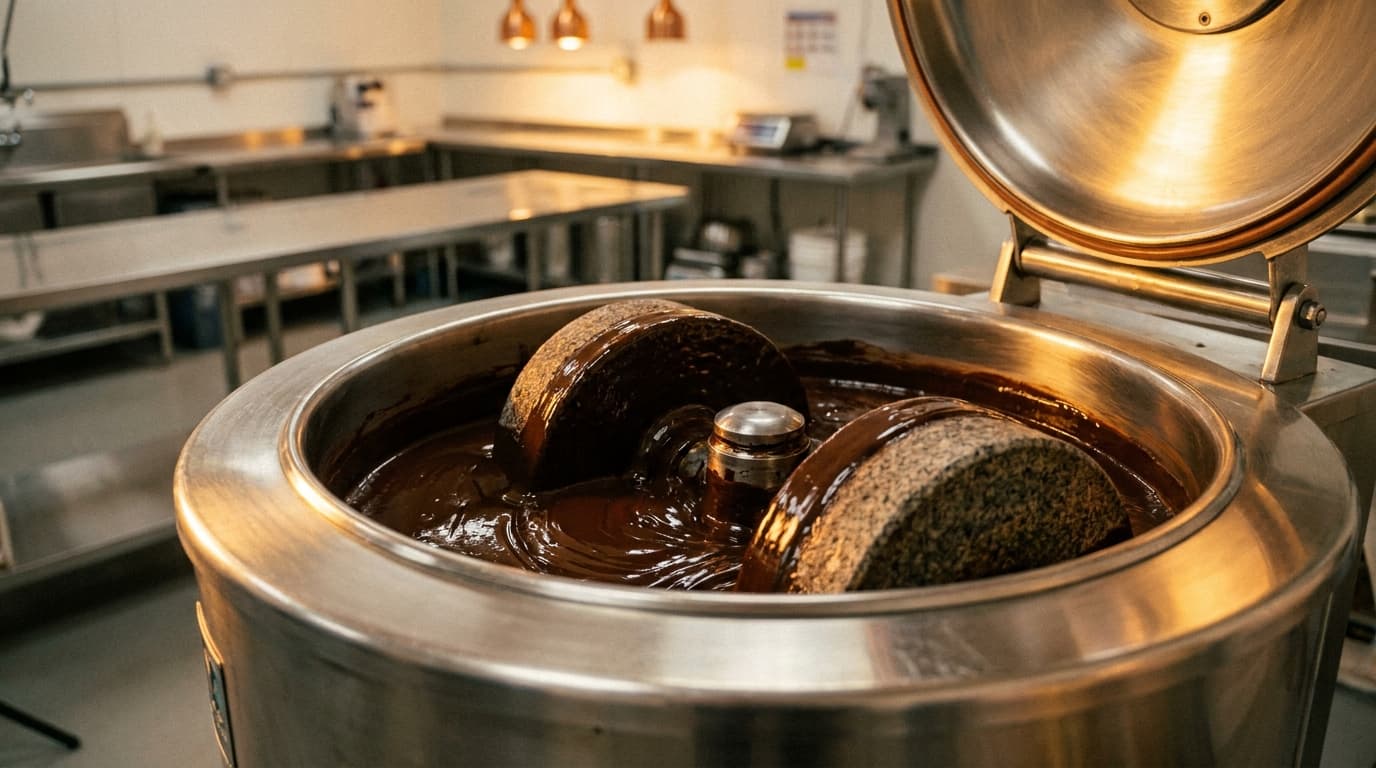
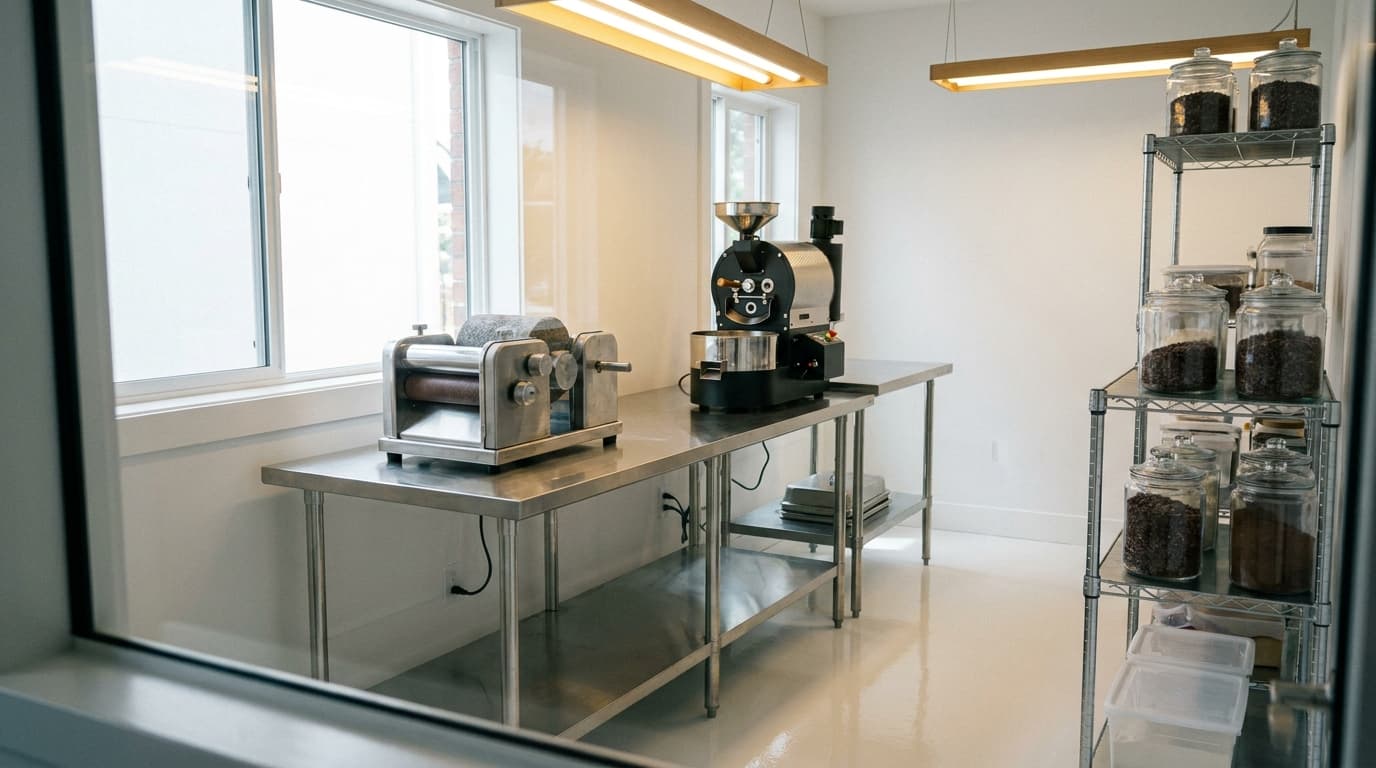
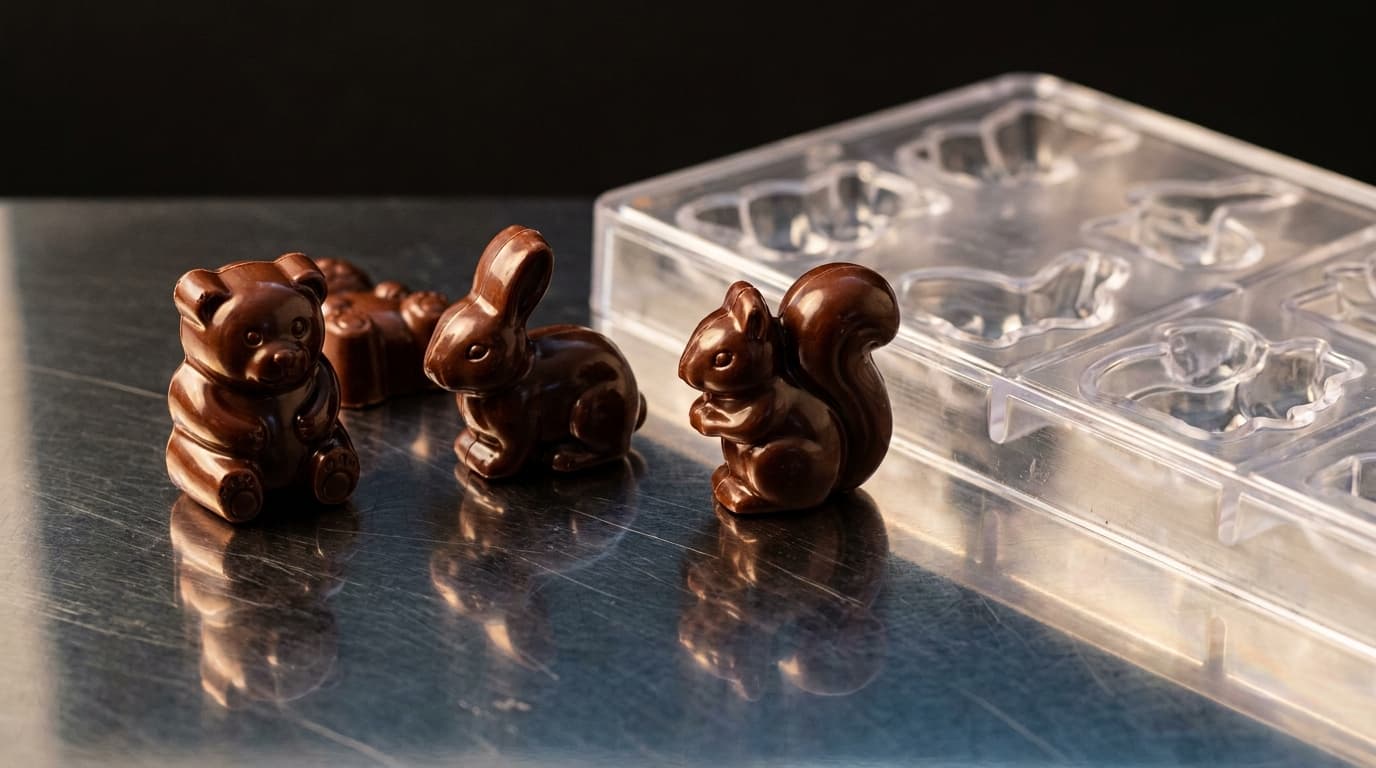
A plain-language walkthrough of every machine in a chocolate production line — roaster, winnower, melanger, conche, tempering and moulding — and how they fit together.

What FDA food facility registration actually requires, how it differs from FSMA compliance and FSSC 22000/GMP, and why it matters for chocolate exporters.

There is no single number — but there are five cost drivers every banker or investor will ask about. A realistic breakdown, without invented figures.

Five overlapping terms — private label, white label, contract manufacturing, toll manufacturing, co-packing — and what actually separates them for a chocolate brand.

Understand the differences between baking cocoa (alkalized/Dutch-processed) and natural cocoa powder to optimize your industrial bakery formulations.

A deep B2B analysis of the actual caffeine content in cacao vs. theobromine, featuring exact serving comparisons and stimulant profiles.

Explore the genetic differences, flavor profiles, and commercial realities of Criollo and Ecuadorian Nacional fine-flavor cacao varieties.

A technical evaluation of raw unsweetened cocoa powder compared to alkalized variants, highlighting acidity, fat contents, and industrial baking behaviors.

An objective industrial exploration of theobromine benefits, its physiological mechanisms, safety thresholds, and occurrence in cacao products.

Explore our comprehensive technical glossary covering essential chocolate and cacao definitions for professionals in the manufacturing and culinary industries.

A comprehensive technical disambiguation between non-alcoholic cocoa liquor (cacao mass) and alcoholic cocoa liqueur for food industry professionals.

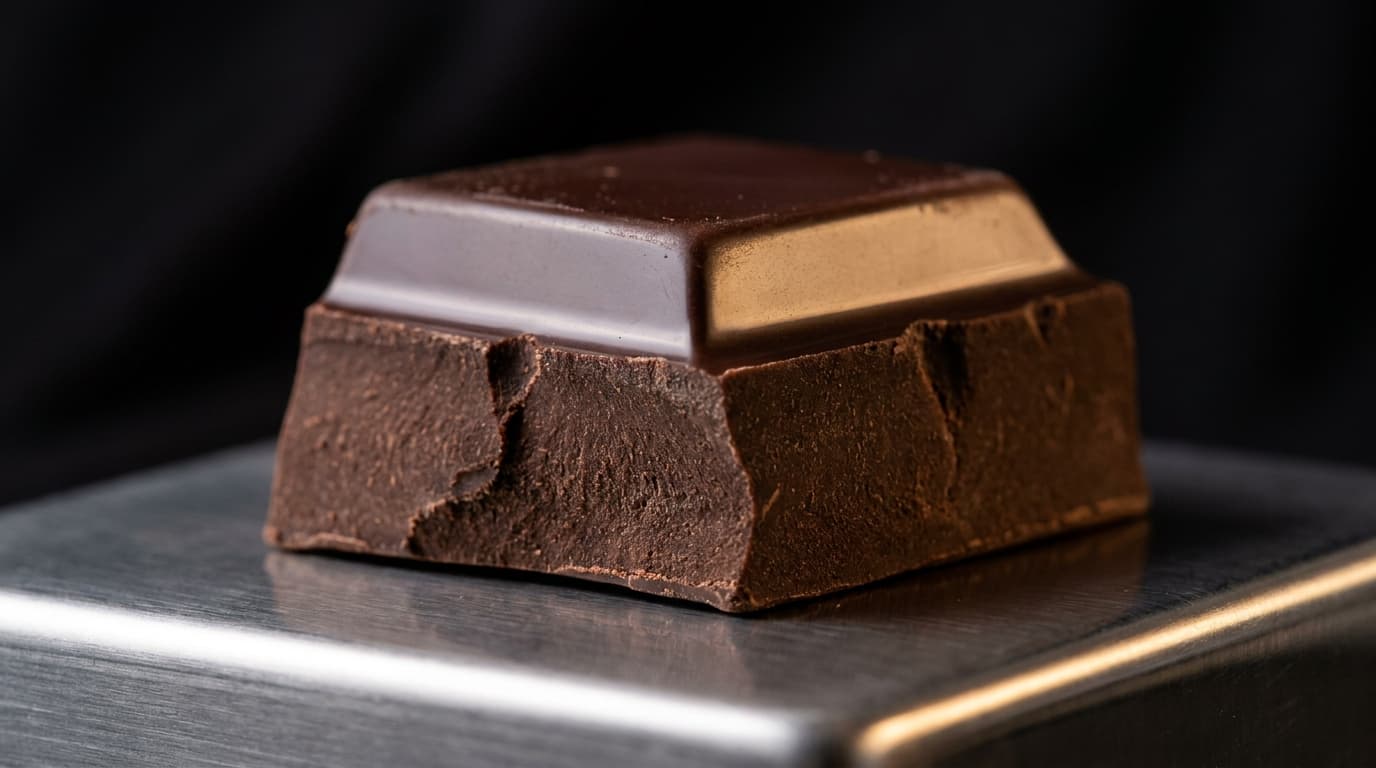
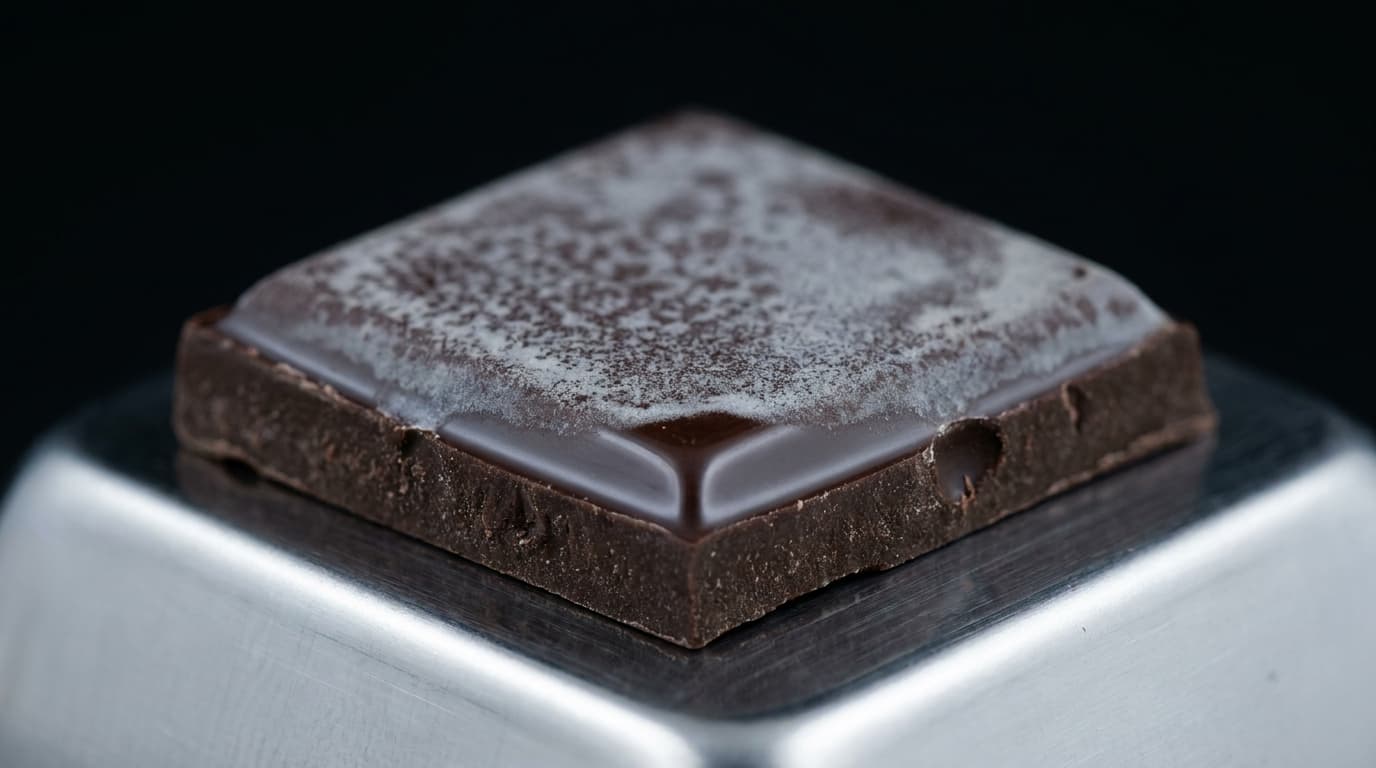
Discover the causes of chocolate bloom, from polymorphic transitions of cocoa butter to thermal shock. A comprehensive B2B guide on prevention, safe storage, and reversing defects.

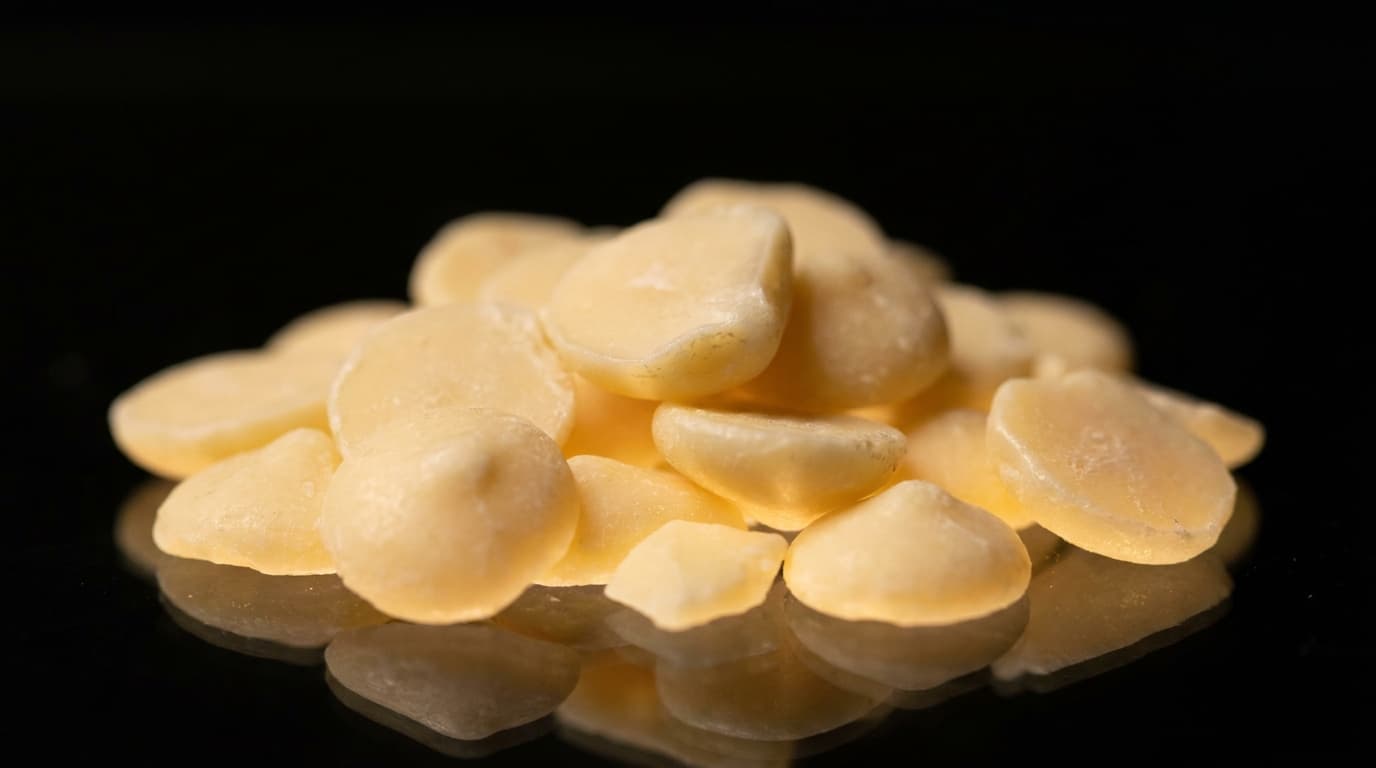
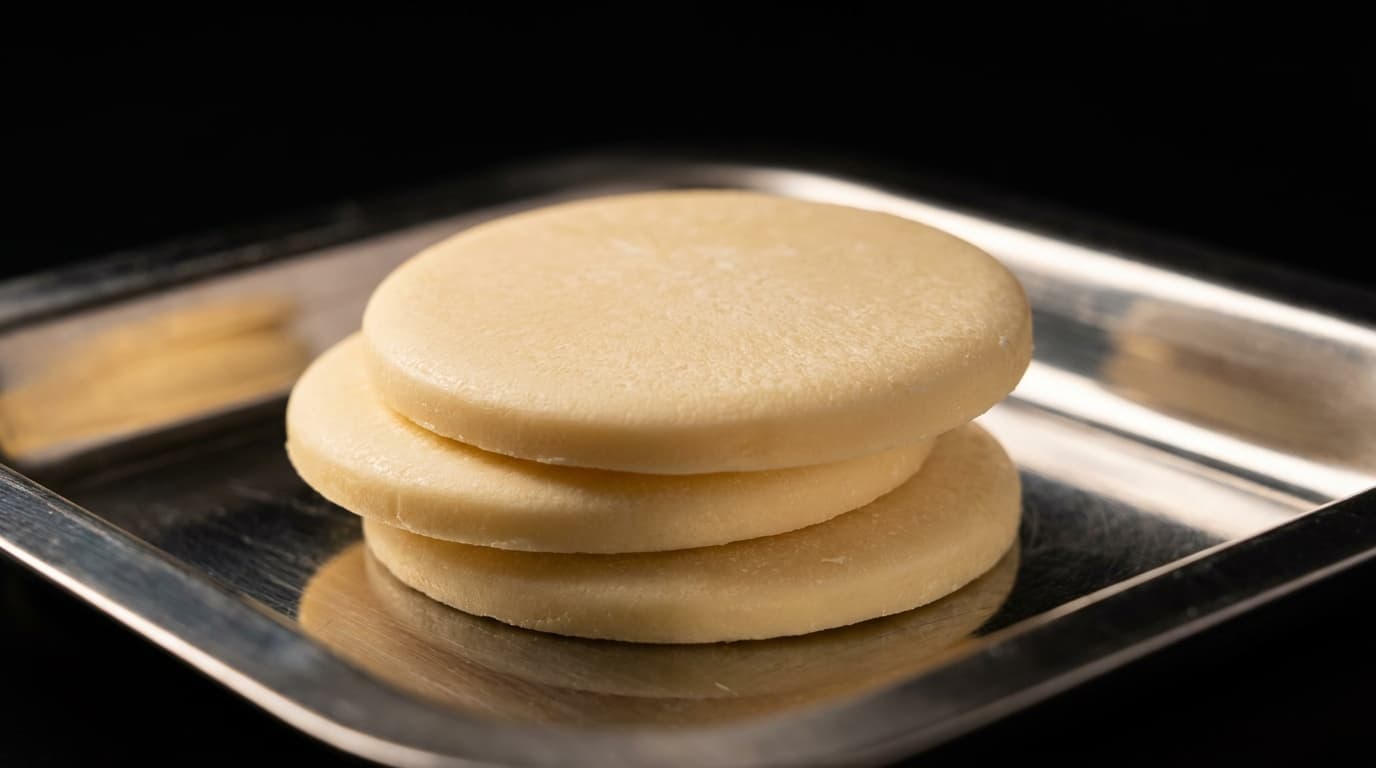
What cocoa butter is used for in chocolate, bakery and cosmetics, why its 34-36 °C melting point matters, and how to choose between food-grade, natural and deodorized material.

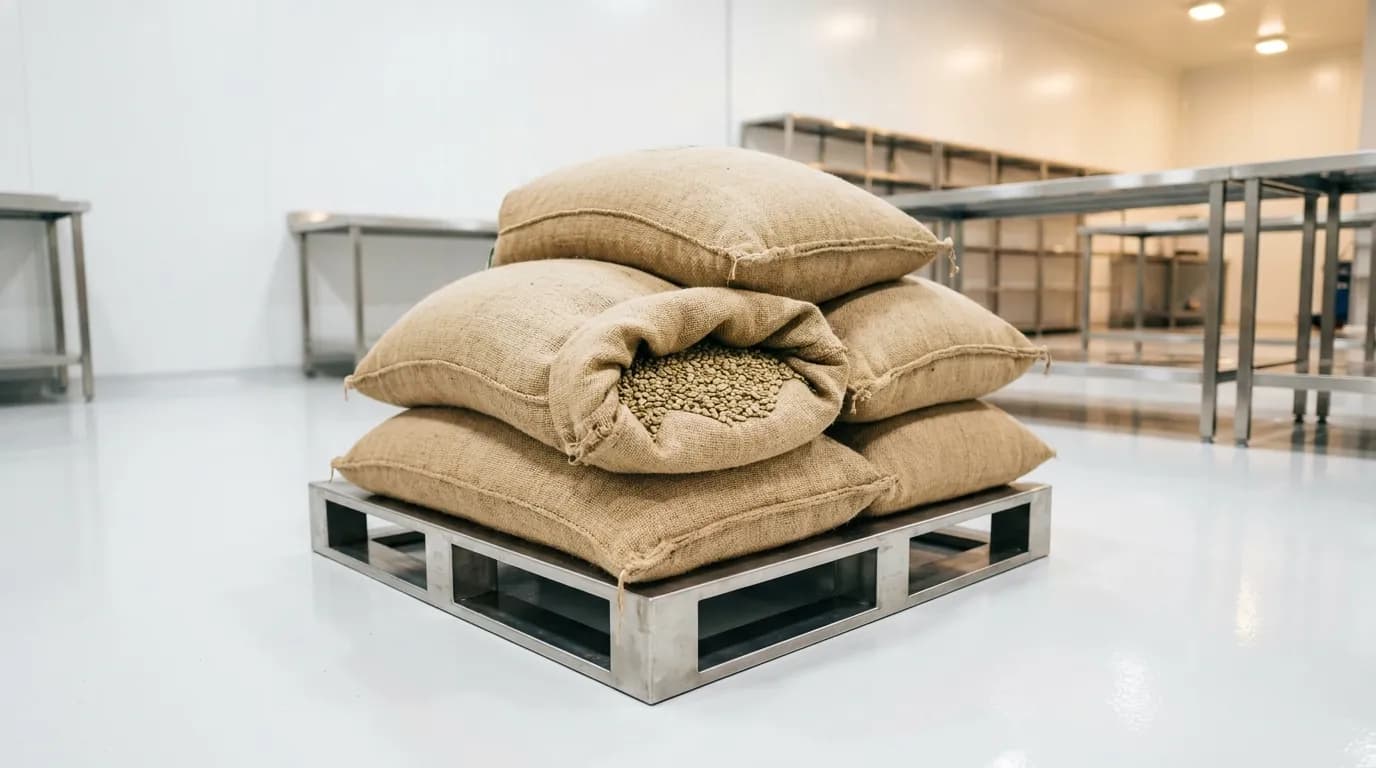
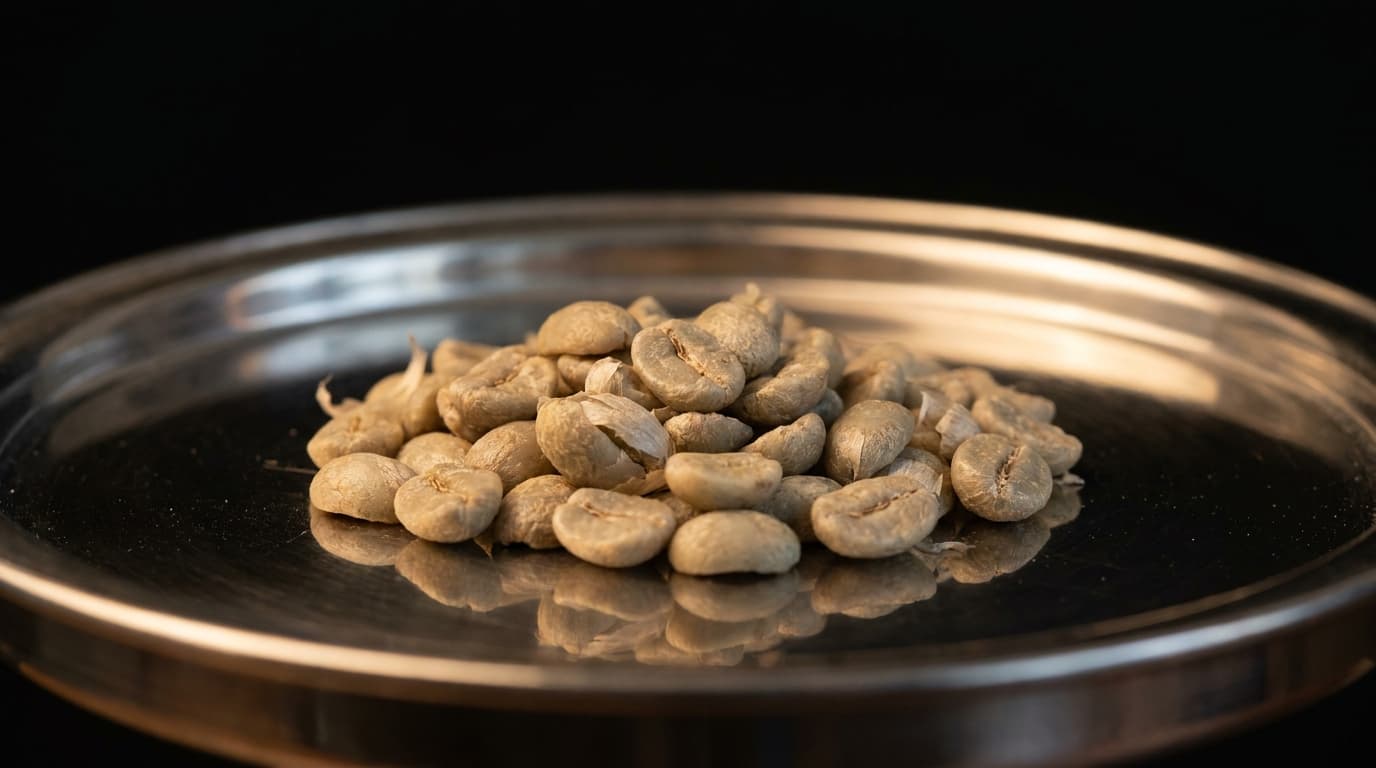
A comprehensive guide for B2B buyers on sourcing specialty green coffee online, evaluating quality, and managing logistics.

An in-depth analysis of USDA NOP and EU organic cacao standards, chain of custody, uncertified smallholder lots, residue analysis, and cocoa butter grades.

Industrial B2B procurement guide for cocoa liquor sourcing for the Dutch Sinterklaas season: planning, letters specs, and Rotterdam port logistics.

Industrial B2B comparison between carob powder and cocoa powder: nutritional matrix, baking performance, rheology, and sensory profile.

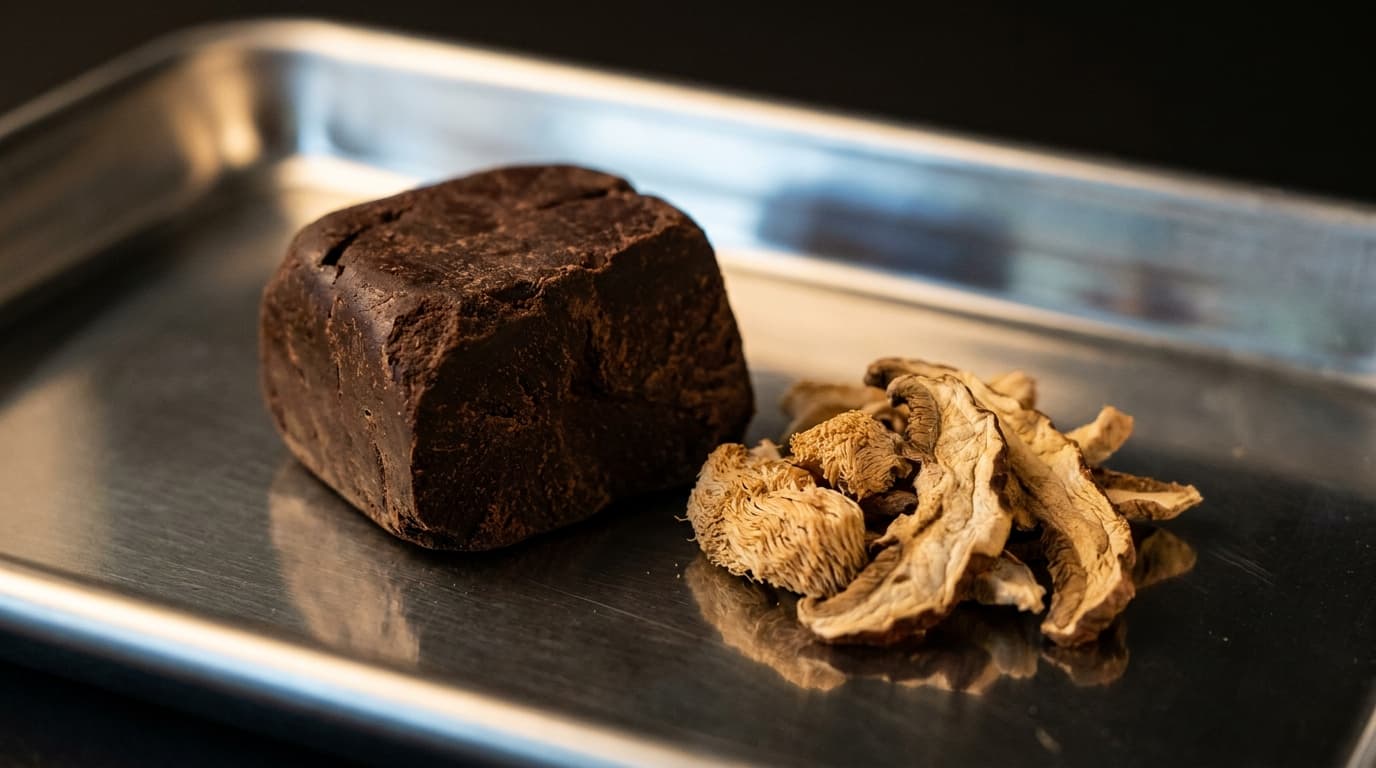
Industrial B2B guide for formulating functional mushroom cacao beverages using ceremonial cacao paste: synergy, taste masking, milling, and CoA quality.

Industrial B2B guide on cocoa powder fat content grades (10-12% vs 20-22% vs defatted): hydraulic pressing, application matrix, and cost optimization.

Complete B2B sourcing guide for industrial cocoa powder: processing steps, technical specifications, fat content, pH levels, and supplier evaluation.

What is pure cacao in the B2B market? Detailed analysis of 100% unsweetened cacao mass, flavor profiles, Arriba Nacional vs CCN-51, and sourcing specs.

Objective B2B origin comparison between Ecuadorian and Peruvian cacao beans: sensory profiles, volume stability, cadmium mitigation, and port logistics.

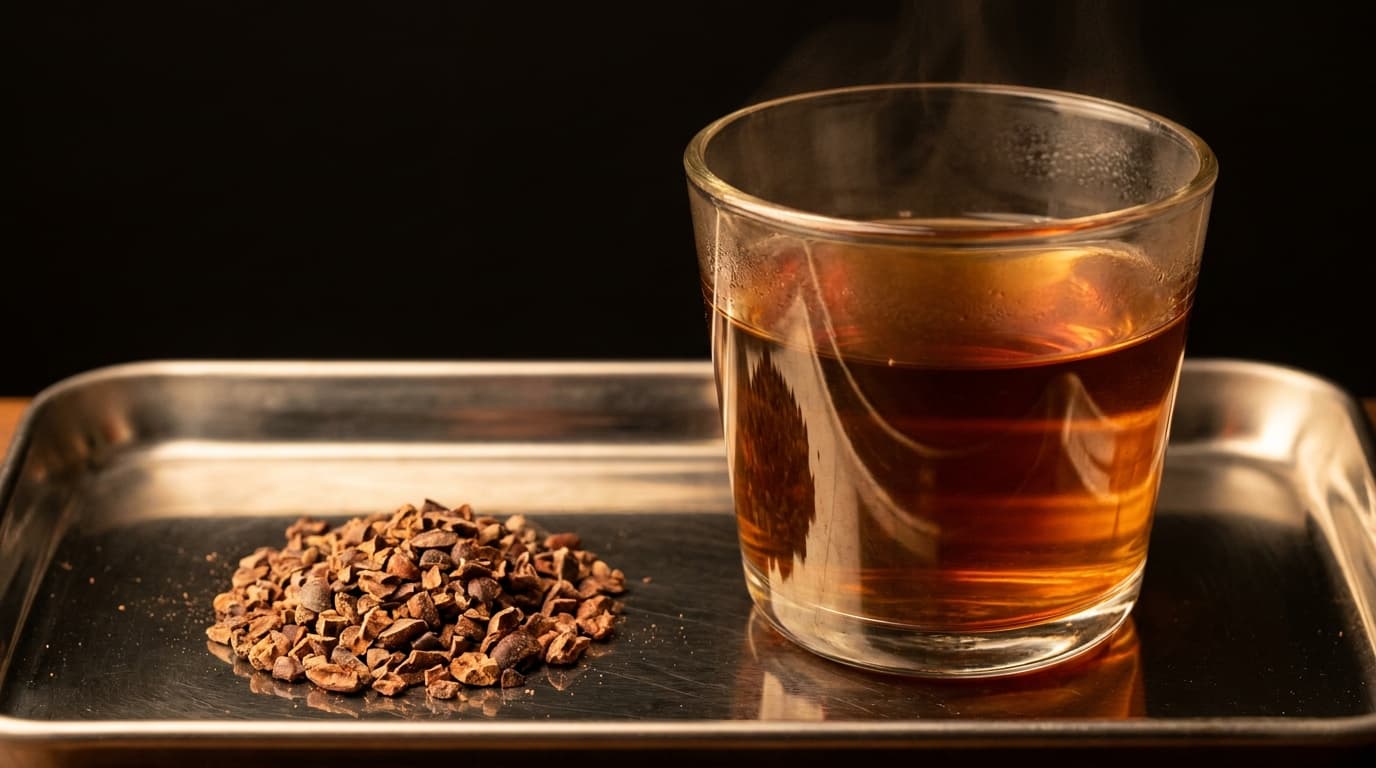
How brewing cocoa differs from cocoa husk tea, the grind and extraction parameters that define the cup, and the food-safety specification a beverage brand must demand.

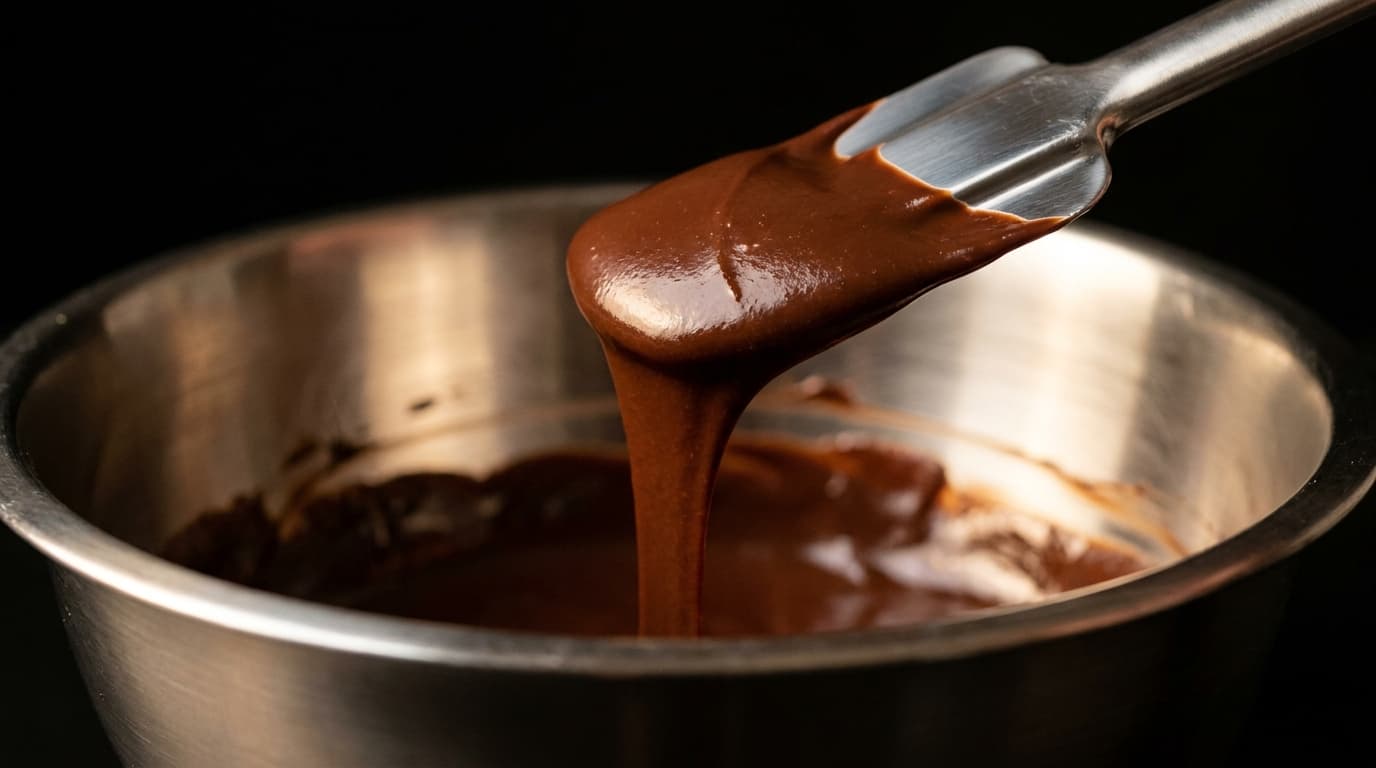
Ganache as an emulsion and fudge as controlled crystallisation: ratios, water activity, shelf life, why ganache splits and the quality controls that keep batches reproducible.

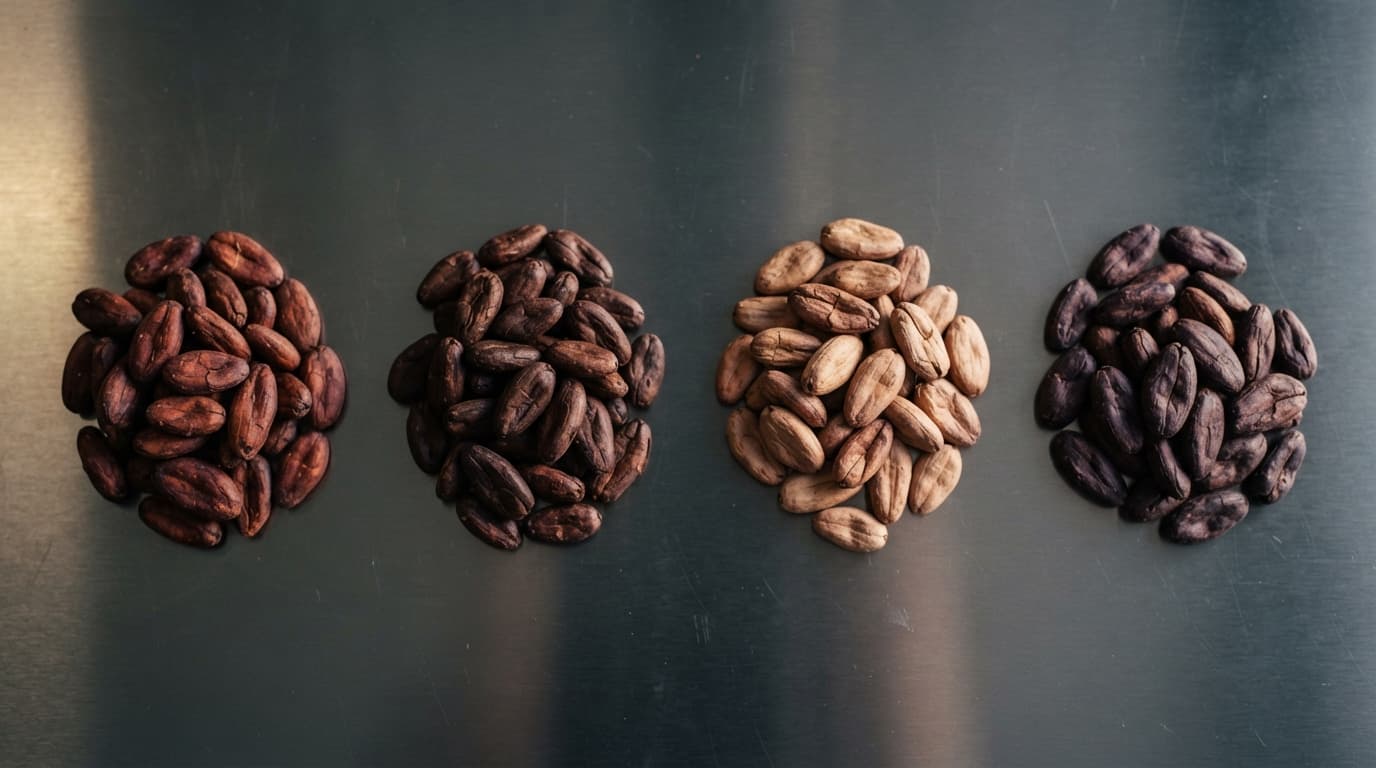
West Africa, Ecuador, the Andes, the Caribbean and Asia: what each cacao origin actually delivers in flavour, volume, cadmium risk and lead time, and how to choose one against your specification instead of a story.