Sinterklaas Chocolate B2B Sourcing: Timeline & Cocoa Liquor Specs
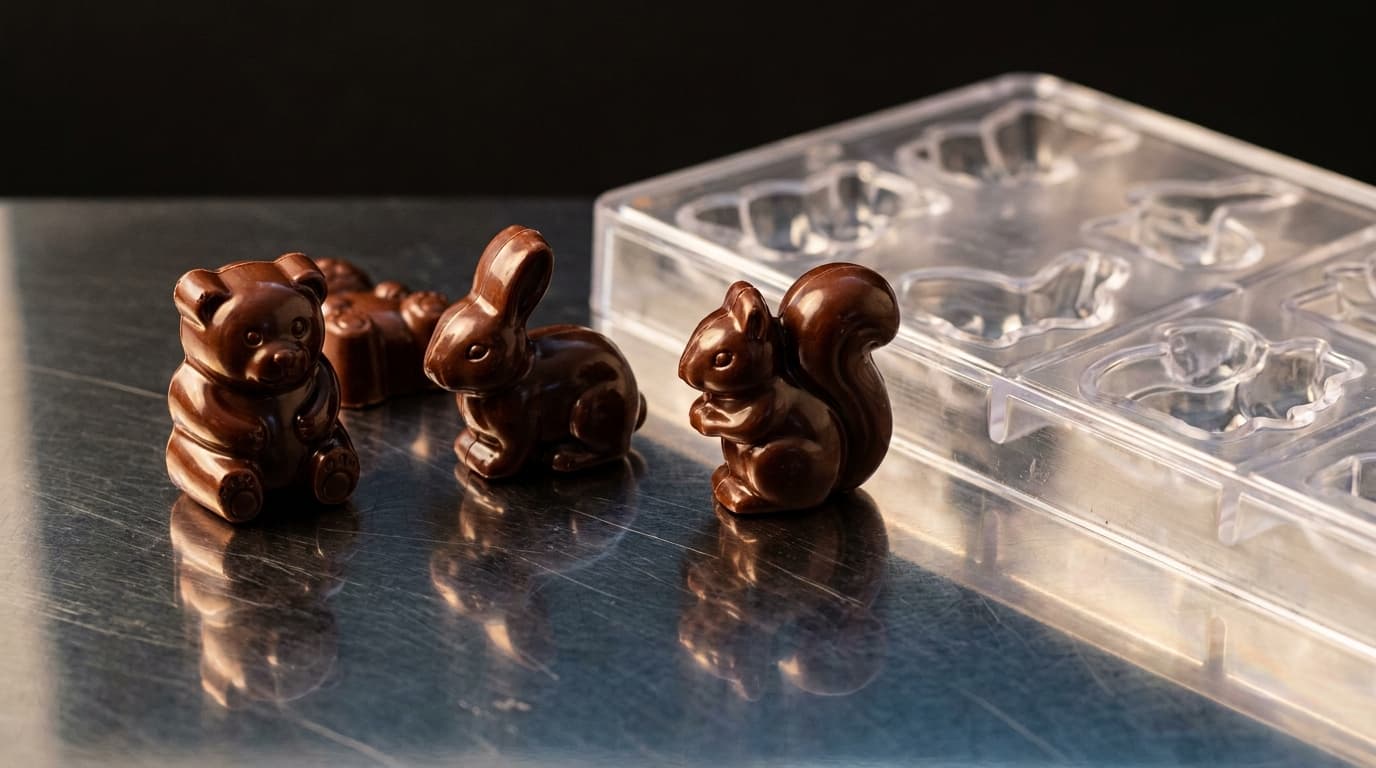
Table of Contents
- 01Technical Requirements for Seasonal Products: Molded Letters and Coatings
- 02Managing Rheology and Viscosity Parameters in Tempering Systems
- 03Lead Times and Ocean Logistics: From Ecuador to Rotterdam
- 04Quality Assurance Protocols: Certificate of Analysis (CoA) and Traceability
- 05Packaging, Temperature Control, and Warehouse Storage Protocols
- 06MOQs, Container Consolidation, and Staggered Shipping Schedules
- 07Risks of Late Procurement and Peak Season Market Spikes
- 08Commercial Partnership and Supply Reliability
For the Dutch and Flemish confectionery industry, chocolate manufacturers, and artisanal chocolatiers, preparing for the traditional Sinterklaas season represents the most important commercial milestone of the year. Every autumn, millions of molded chocolate letters (*chocoladeletters*), spiced gingerbread coatings (*strooigoed*), and decorative figures are sold across retail stores in the Netherlands. For purchasing directors, supply managers, and master chocolatiers, executing a successful seasonal campaign depends not only on internal recipes—but fundamentally on a well-planned B2B raw material sourcing strategy. Securing high-quality cocoa liquor from origin countries like Ecuador well in advance is essential to avoid production bottlenecks, rising ocean freight charges, and empty retail shelves. Planning supply contracts for cocoa liquor requires a clear technical understanding of lead times, mass viscosity, and ocean logistics into the Port of Rotterdam.
The procurement calendar for Sinterklaas chocolate follows a strict chronological timeline that begins early in the calendar year. To ensure seamless distribution to wholesalers, and retail chains by early November, confectionery brands must negotiate, and lock in their raw material contracts between June, and September. During these summer months, commercial terms are finalized, pre-shipment samples undergo laboratory analysis, and vessel bookings are secured. Industrial processing, tempering, and molding occur from September to November, ensuring finished goods are ready, for retail sales in November and December. Understanding this timeline is crucial for procurement teams managing contracts under industrial uses of cocoa liquor across European manufacturing facilities.
Technical Requirements for Seasonal Products: Molded Letters and Coatings
Manufacturing traditional, Sinterklaas chocolate items imposes, rigorous technical requirements on processed cocoa liquor. Molded products like chocolate letters (available from letters A to Z) require cocoa liquor with superior rheological properties, and consistent viscosity. The melted chocolate mass must flow smoothly into intricate polycarbonate molds without creating air pockets or structural stress lines. A natural fat content of 52% to 54% cocoa butter in Ecuadorian Arriba Nacional liquor ensures the chocolate retains optimal fluidity during industrial tempering, and depositor operations.
Furthermore, crystallization speed, and thermal contraction during cooling are critical factors for achieving clean demolding without product breakage. Premium cocoa liquor ensures sharp contraction upon controlled cooling, allowing letters to release effortlessly from molds with a high-gloss finish, and a firm snap. For coating applications on *kruidnoten* (spiced cookies), resistance to fat bloom on retail shelves is essential. Chocolate letters often sit at ambient retail temperatures for weeks; managing lipid crystal stability prevents white discoloration, as detailed in our comprehensive chocolate bloom guide for industrial confectioners.
Managing Rheology and Viscosity Parameters in Tempering Systems
The physical performance of cocoa liquor in industrial tempering machines, and automated depositor lines directly dictates factory throughput, and yield efficiency. When cocoa liquor is melted, and conditioned for chocolate letter production, the triglyceride crystals of cocoa butter must be stabilized into the beta-V (β-V) polymorphic form. Ecuadorian cocoa liquor sourced from fine aroma Arriba Nacional beans contains a unique triglyceride profile rich in symmetrical monounsaturated fats (specifically POP, POS, and SOS). This molecular composition accelerates uniform crystallization in cooling tunnels at temperatures between 12°C and 15°C.
For high-speed confectionery lines, rapid beta-V crystallization translates to reduced residence time in cooling tunnels and higher throughput on packaging lines. Incomplete or improper tempering results in unstable beta-IV crystals, causing dull surface appearance, soft texture, and heightened susceptibility to fat bloom during retail storage. Additionally, managing particle size distribution is critical: maintaining a maximum particle size below 20 microns (verified via micrometric or laser diffraction analysis) guarantees a velvety mouthfeel without graininess on the palate.
Lead Times and Ocean Logistics: From Ecuador to Rotterdam
The supply chain from Ecuadorian cacao groves to Dutch manufacturing plants involves multiple coordinated stages. Following selective harvesting of mature Arriba Nacional pods, cocoa beans undergo a controlled 4 to 5 day fermentation, in wooden boxes, followed by sun-drying to reach moisture levels below 7%. In Ecuador, dry beans are processed into pure cocoa liquor through precision roasting, winnowing, and multi-stage stone grinding to achieve particle fineness under 20 microns.
Once molded into solid blocks or packed in liquid drums, ocean shipping is arranged from the Port of Guayaquil. Direct vessel transit from Guayaquil to Rotterdam takes an average of 18 to 22 days. Upon arrival in Rotterdam, importers must allow 3 to 5 business days, for customs clearance, phytosanitary inspection, and inland trucking to regional warehouses. In total, the lead time from harvest to factory delivery, in the Netherlands ranges between 7 and 10 weeks—a factor procurement officers must build into their production schedules.
Quality Assurance Protocols: Certificate of Analysis (CoA) and Traceability
For European confectionery manufacturers, strict quality assurance protocols at raw material intake are both, a legal necessity, and a commercial imperative. Every imported lot of cocoa liquor must be accompanied by a lot-specific Certificate of Analysis (CoA) issued by an independent accredited laboratory. This CoA verifies essential physicochemical, and microbiological parameters prior, to releasing the shipment into manufacturing tanks.
Key CoA parameters include moisture content (maximum 1.5% to 2.0%), Free Fatty Acids (FFA below 1.75% as oleic acid), peroxide values (indicating lipid freshness), and microbiological limits including Total Plate Count (TPC), yeast, molds, and the absolute absence of *Salmonella* in 375 grams. Furthermore, European buyers require full traceability back to farm-level cooperatives in Ecuador, alongside compliance with EU Deforestation Regulation (EUDR) mandates. A transparent chain of custody safeguards food safety while reinforcing brand sustainability credentials.
Packaging, Temperature Control, and Warehouse Storage Protocols
Beyond ocean logistics, internal warehouse management of cocoa liquor requires strict environmental controls. Industrial cocoa liquor is supplied in two primary formats: 25 kg solid blocks packaged, in corrugated boxes with protective polyethylene liners, or liquid bulk transported, in insulated isotanks equipped with heating coils. For solid block storage, climate-controlled warehouses must maintain constant temperatures between 15°C and 18°C with relative humidity below 65% to prevent moisture absorption, and mold risk.
For processing facilities receiving liquid cocoa liquor, bulk holding tanks must be maintained at a steady 45°C to 50°C with continuous low-shear agitation to prevent cocoa butter separation. However, prolonged holding at elevated temperatures causes thermal oxidation, and degradation of delicate floral aroma volatile compounds characteristic of Ecuadorian Arriba beans. Proper tank management, and rotation protocols are therefore vital elements of factory-level quality assurance.
MOQs, Container Consolidation, and Staggered Shipping Schedules
Managing Minimum Order Quantities (MOQs) and working capital is a central focus for both industrial conglomerates and specialty chocolate makers. For direct container imports from Ecuador, standard B2B volumes for a 20ft full container load (FCL) total approximately 12,000 kg to 15,000 kg of cocoa liquor shipped in temperature-controlled reefer containers. For smaller chocolatiers, Less-than-Container Load (LCL) consolidation or purchasing from European warehouse stock offers flexible MOQs starting from single pallets (~1,000 kg).
To optimize warehousing costs and factory floor space, purchasing managers frequently utilize staggered shipping schedules. Under a staggered contract, total seasonal volumes are locked in during Q2 at a fixed price, while physical deliveries are split into scheduled installments (e.g., 30% in August, 40% in September, and 30% in October). This prevents valuable climate-controlled storage space from being tied up for months while maintaining a continuous supply of fresh cocoa liquor during peak production runs.
Risks of Late Procurement and Peak Season Market Spikes
Delaying raw material procurement for the Sinterklaas campaign introduces severe operational, and financial risks. During the fourth quarter (Q4), global demand for cocoa derivatives surges dramatically due to overlapping production schedules for Sinterklaas, Christmas, and New Year holidays across Europe. This surge frequently causes shortages of refrigerated containers in South America, port congestion in major European hubs, and elevated freight rates for ocean, and road transit.
Moreover, unexpected delays at Rotterdam customs can severely disrupt tight production schedules. If raw materials arrive late in October, insufficient time remains for manufacturing, packaging, and retail distribution prior to December 5th. Securing early fixed-price contracts with established Ecuadorian exporters guarantees physical product availability while protecting margins against volatile C-market price swings.
Commercial Partnership and Supply Reliability
Establishing direct, transparent partnerships with origin exporters is the most effective strategy for ensuring supply reliability during peak seasonal demand. Our Ecuadorian cocoa liquor, crafted from fine aroma Arriba Nacional beans, delivers consistent viscosity, rich flavor profiles, and excellent processing characteristics required for premium chocolate letters, and seasonal confectionery. We support European buyers with flexible contract structures, rigorous CoA quality documentation, and streamlined logistics into Rotterdam.
To review your seasonal procurement schedule, request cocoa liquor samples, or analyze technical specifications for your production lines, contact our B2B sales team through our contact page for a tailored quote.
Cacao Liquor
Interested in sourcing this product directly from our factory in Cayambe, Pichincha?
Frequently Asked Questions About This Topic
When should Dutch chocolatiers place cacao raw material orders for Sinterklaas?
Cacao liquor procurement contracts should be finalized between June and September (to ensure production in Sept-Nov and retail delivery in Nov-Dec).
What type of cacao liquor is best suited for producing chocoladeletters?
A high-grade Arriba Nacional cacao liquor with a natural fat content of 52-54% cocoa butter—providing excellent fluidity, rapid crystallization, and clean demolding.
How long does shipping take from Ecuador to the port of Rotterdam?
Direct sea freight from Guayaquil to Rotterdam takes between 18 and 22 days (excluding customs clearance and inland freight).
What MOQs apply for seasonal B2B cacao liquor shipments?
Consolidated LCL shipments carry MOQs from a few pallets (~1,000 kg), while direct full container loads (FCL 20ft) range from 12,000 to 20,000 kg.
Related articles
How to Buy Cacao Beans from Ecuador: A B2B Importer's Step-by-Step Guide
A step-by-step walkthrough of sourcing, contracting, and shipping wholesale cacao beans from the Port of Guayaquil to global destinations.
Read ArticleEcuadorian Cacao Bean Grades Explained: Understanding ASE and ASSS Specs
Demystifying the commercial standards for exporting cocoa from Ecuador. Learn the physical and chemical differences between ASE and ASSS grades.
Read ArticleEcuador vs Peru Cacao Beans: B2B Origin Comparison
Objective B2B origin comparison between Ecuadorian and Peruvian cacao beans: sensory profiles, volume stability, cadmium mitigation, and port logistics.
Read Article