Build Your Chocolate Plant With an Operator, Not a Theorist
Layout, process flow, food-safety certification and export-readiness — guided by the team that built, certified and exports from its own factory in Ecuador.
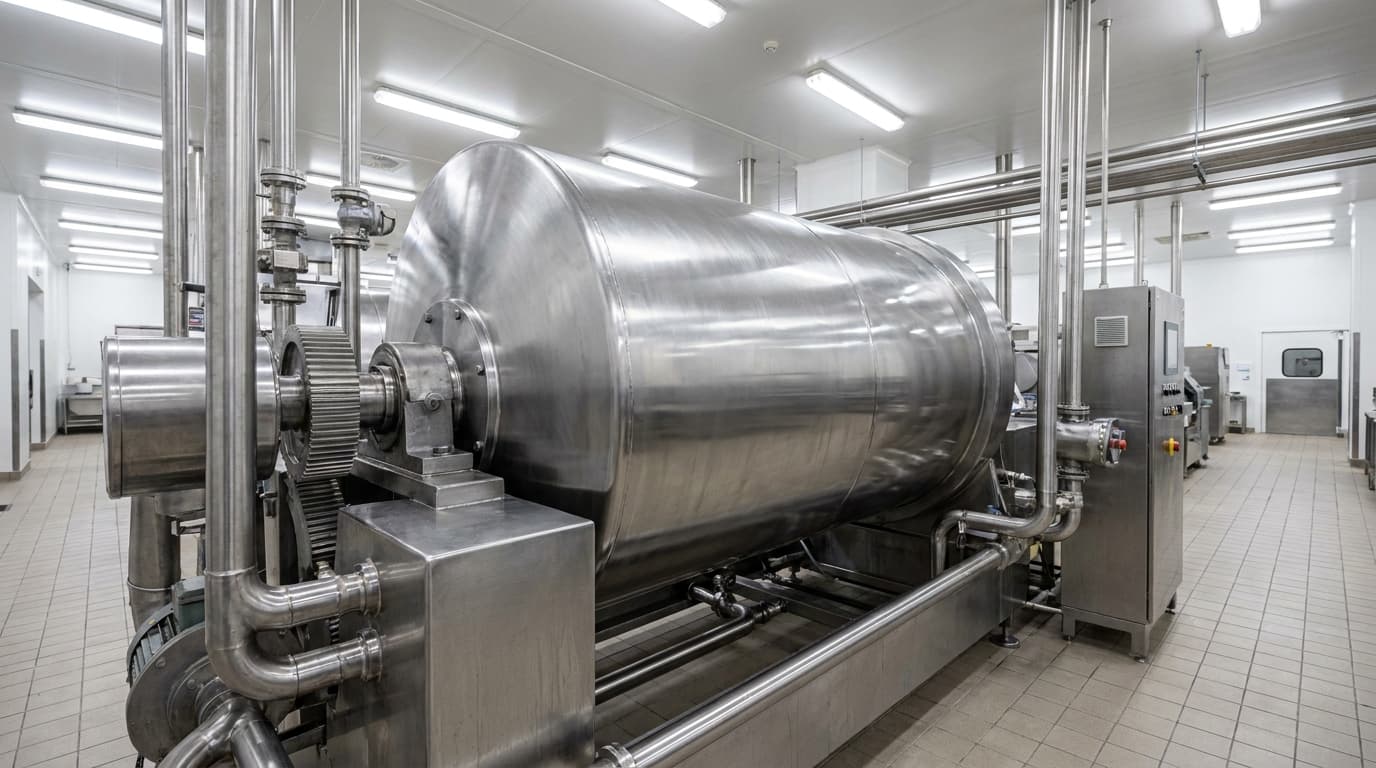
Most consultants who advise on chocolate plants have never run one. Ours does. Our lead consultant designed and operates his own bean-to-bar and cacao-derivatives factory in Ecuador — the same facility that holds FSSC 22000, ISO 9001, Global G.A.P. and FDA registration, and exports finished chocolate to Japan, France and the United Kingdom. We bring that exact playbook to your project.
What's Included
- Plant layout and process-flow design sized to your target capacity
- Equipment specification and sourcing guidance (roasting, winnowing, grinding/conching, tempering, packaging)
- Food-safety system setup: FSSC 22000, ISO 9001 and GMP documentation and implementation support
- FDA Food Facility Registration and export-readiness for the US market (see below)
- Staff training on process control and sensory quality (cupping/tasting protocols)
- Direct-sourcing cacao supply agreement — the plant you build never runs short of Nacional/Arriba fine aroma cacao
How It Works
Diagnostic Call
We review your target capacity, budget range, market and timeline.
Plant & Compliance Plan
Layout, equipment list and a certification roadmap (FSSC/ISO/GMP/FDA) tailored to your scale.
Implementation Support
Hands-on guidance through equipment sourcing, installation, documentation and staff training.
Certification & Supply
Your plant reaches food-safety compliance and export-readiness — backed by a direct cacao supply agreement.
Led by an Operator Who Has Actually Done It
Our plant-setup practice is led by our partner producer-exporter, an Agroindustrial Engineer who owns and operates his own chocolate and cacao-derivatives factory in Ecuador — the same facility that supplies El Dulce Origen.
Verified Credentials
- FSSC 22000 certified auditor
- ISO 9001 and Global G.A.P. certified operation
- Nestlé Food Safety Management System (FSMS) trained
- FDA-registered food facility
- Finished-chocolate exports to Japan, France and the United Kingdom
- Certified cupper — sensory training delivered to producer cooperatives
How to Start a Chocolate Factory: The Real Roadmap
Starting a chocolate manufacturing business follows a sequence that rarely changes, whatever the scale: define your product and market (bean-to-bar bars, couverture for other brands, cacao derivatives), fix a realistic target capacity, and only then design around it. From there the roadmap runs through facility selection, plant layout and process-flow design, equipment specification, food-safety system implementation, trial production and certification. Most failed projects skip straight to buying equipment — and then discover the building, the layout or the documentation doesn't support the line they bought. Our engagements follow this roadmap in order, so every dollar of equipment spend lands inside a plan that already works on paper. The result of the first two phases is, in effect, the technical core of a chocolate manufacturing business plan: capacity, process, equipment list and certification path — the numbers a bank or investor will actually scrutinize.
Industrial Cocoa Installations: What to Specify Before You Buy
Industrial cocoa installations are not a shopping list of separate machines: they are a continuous line where each machine caps the throughput of the next. The standard sequence runs from bean intake and cleaning to roasting, winnowing, grinding into liquor, and from there either pressing (butter and powder) or refining, conching, tempering and moulding. Before quoting equipment you have to fix three numbers: kilos per hour at the bottleneck, real shift hours, and accepted loss at each step. Those three size everything else and prevent the classic mistake of a conche that can never keep up with the roaster. Then come the utilities that rarely appear in a machinery quote: compressed air, hot water or steam, husk extraction, installed electrical load and food-grade flooring. We size the full installation during the diagnostic phase — capacity, layout and utility loads — so you negotiate with suppliers from a technical specification rather than from a brochure.
What Determines the Cost of a Chocolate Manufacturing Plant
There is no single answer to what a chocolate or cocoa processing plant costs — but the cost drivers are always the same five. First, target capacity: the jump from small-batch to industrial throughput multiplies every line item. Second, the equipment line: roaster, winnower, grinder/refiner, conche, tempering and molding or packing equipment, where sizing decisions dominate the budget. Third, the facility itself: food-grade floors, walls, drainage, utilities and hygiene zoning often cost more than first-time founders expect. Fourth, certification and documentation: implementing GMP, and FSSC 22000 or ISO 9001 where customers require them, takes both fees and internal time. Fifth, working capital for cacao inventory and packaging. In the diagnostic phase we size all five for your project, so you negotiate with equipment suppliers and banks from a defensible number instead of a guess.
Chocolate Factory Layout and Process Flow
A compliant chocolate factory layout follows the product in one direction: raw material reception and cleaning, roasting, winnowing into nibs, grinding into cocoa liquor, then either pressing (for butter and powder) or refining and conching (for chocolate), tempering, molding and packing. The layout must physically separate raw and finished zones, keep airflow and personnel movement from dragging contamination back upstream, and give every machine the clearance that cleaning and maintenance demand. Getting this right on paper is cheap; getting it wrong in concrete is not. We design the layout and process flow before any equipment is ordered, sized to your capacity, and we design it against the same GMP and food-safety requirements the certification audit will later test.
Small-Scale and Artisanal Chocolate Factories
Not every project is an industrial line. A small-scale chocolate factory — an artisanal bean-to-bar workshop with a compact roaster, a winnower and stone grinders — can reach the market with a fraction of the footprint, provided the food-safety fundamentals are treated exactly as seriously as in a large plant. We design minimal viable lines for artisanal producers, with a growth path: the layout anticipates the next capacity step so scaling up means adding equipment, not rebuilding the plant. For emerging brands this is often the right first move, sometimes combined with contract manufacturing through our private label service while the workshop is built.
Why Work With a Chocolate Consultant Who Operates a Plant
The costly mistakes in plant projects are always the same: equipment sized wrong for the real production mix, layouts that fail hygiene zoning and need rework, documentation written for the auditor instead of the operation — and audits failed because of it. A chocolate consultant who runs his own factory has already paid that tuition. Our recommendations come from operating the same machines, passing the same audits and shipping real export orders, not from a template. That is also why our advice on equipment brands is independent: we broker sourcing on commission when asked, but we hold no inventory and sell no machinery of our own.
FDA Registration & US Export-Readiness
Selling into the United States requires FDA Food Facility Registration, a US agent, FSVP (Foreign Supplier Verification Program) compliance and correct labeling — most first-time exporters underestimate this. We include it as part of every plant-setup engagement, based on the exact registration our own facility already holds.
Frequently Asked Questions
Do I need to already have a factory site to start?↓
Can you help even if I only want a small-scale or artisanal setup?↓
Do you sell or supply the equipment yourselves?↓
Is the FDA registration guidance only for US-bound exporters?↓
What happens after the plant is certified?↓
How long does it take to set up a chocolate factory?↓
Is a chocolate manufacturing business profitable?↓
Do you help with the business plan itself?↓
Our Products
Every project starts with the same question: where is your cacao coming from? We can answer that too.
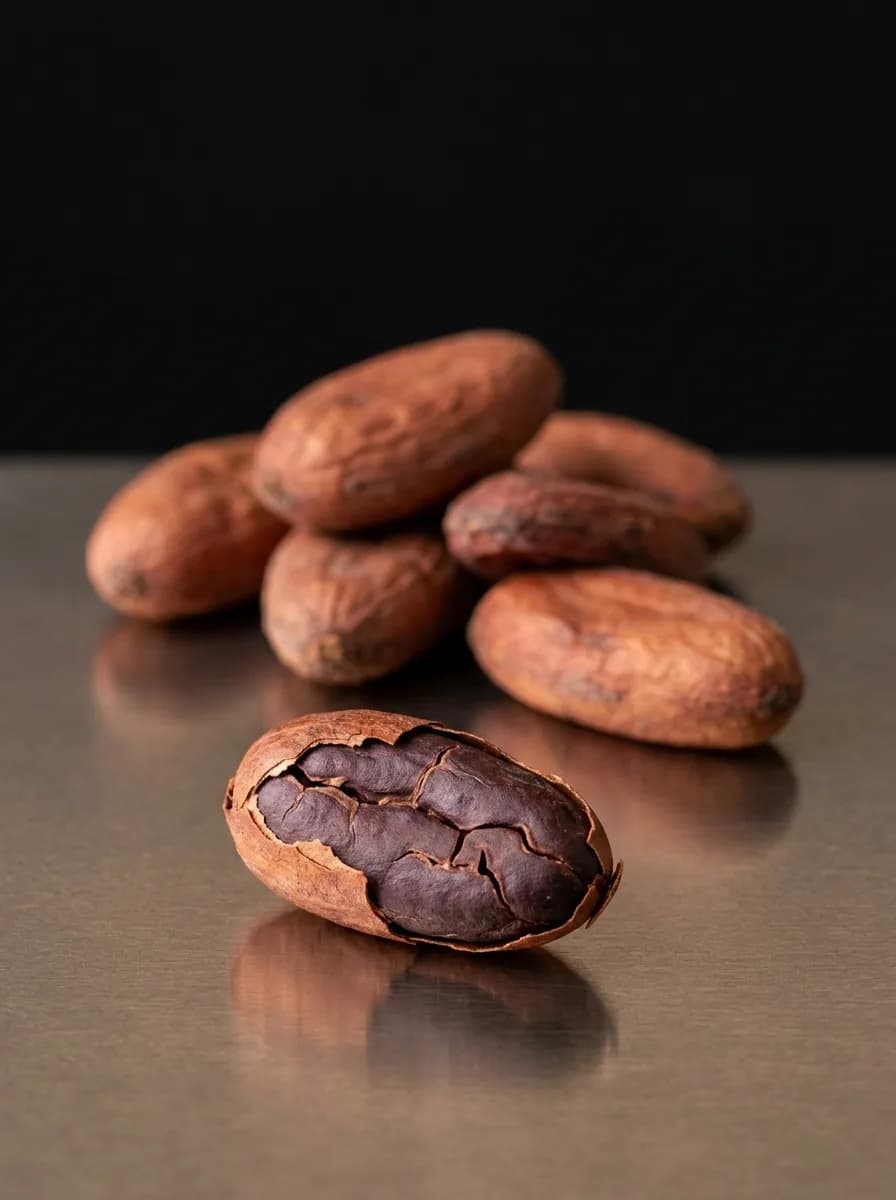
Cacao Beans
Fine aroma Nacional/Arriba, fermented and dried at our own factory. 60kg sacks up to full container loads.
View Spec Sheet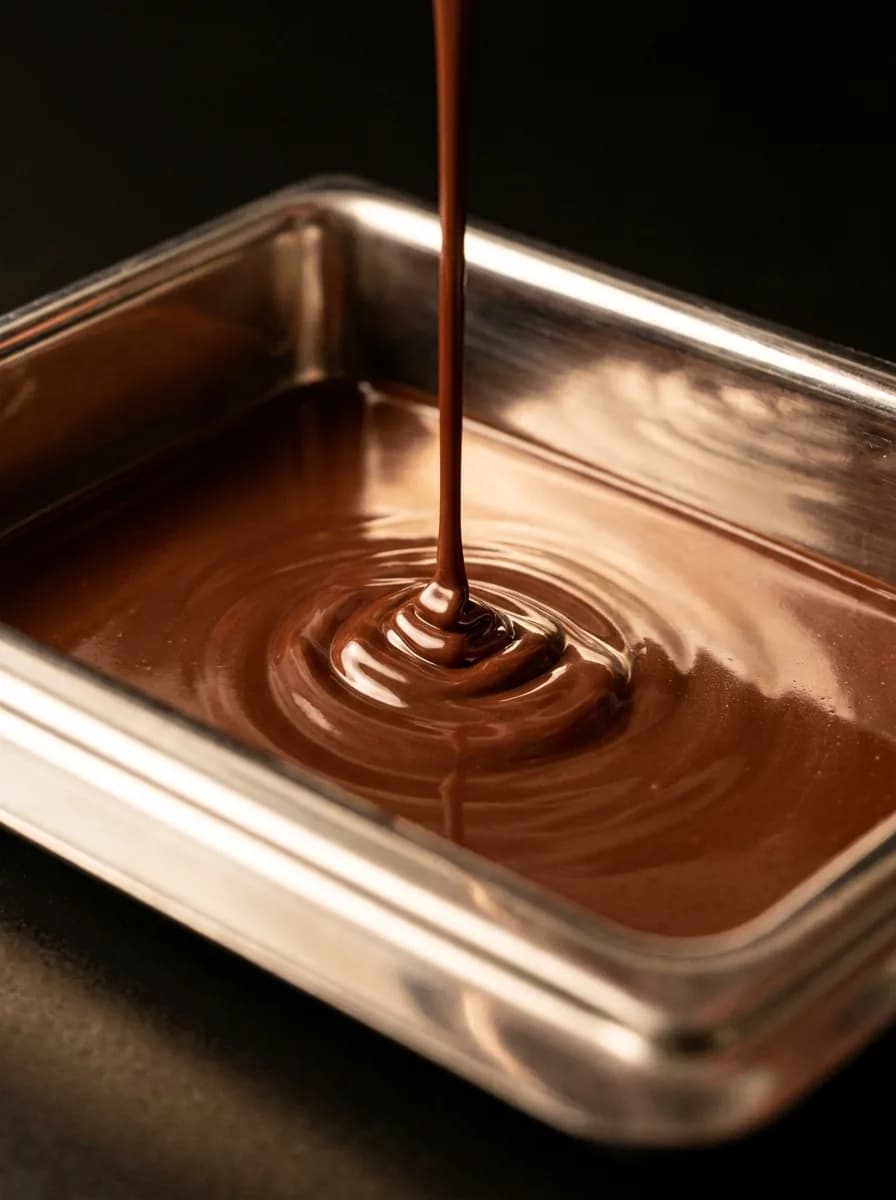
Cacao Liquor
Pure unrefined cacao paste, the base for couverture chocolate and industrial baking. Blocks and drums available.
View Spec Sheet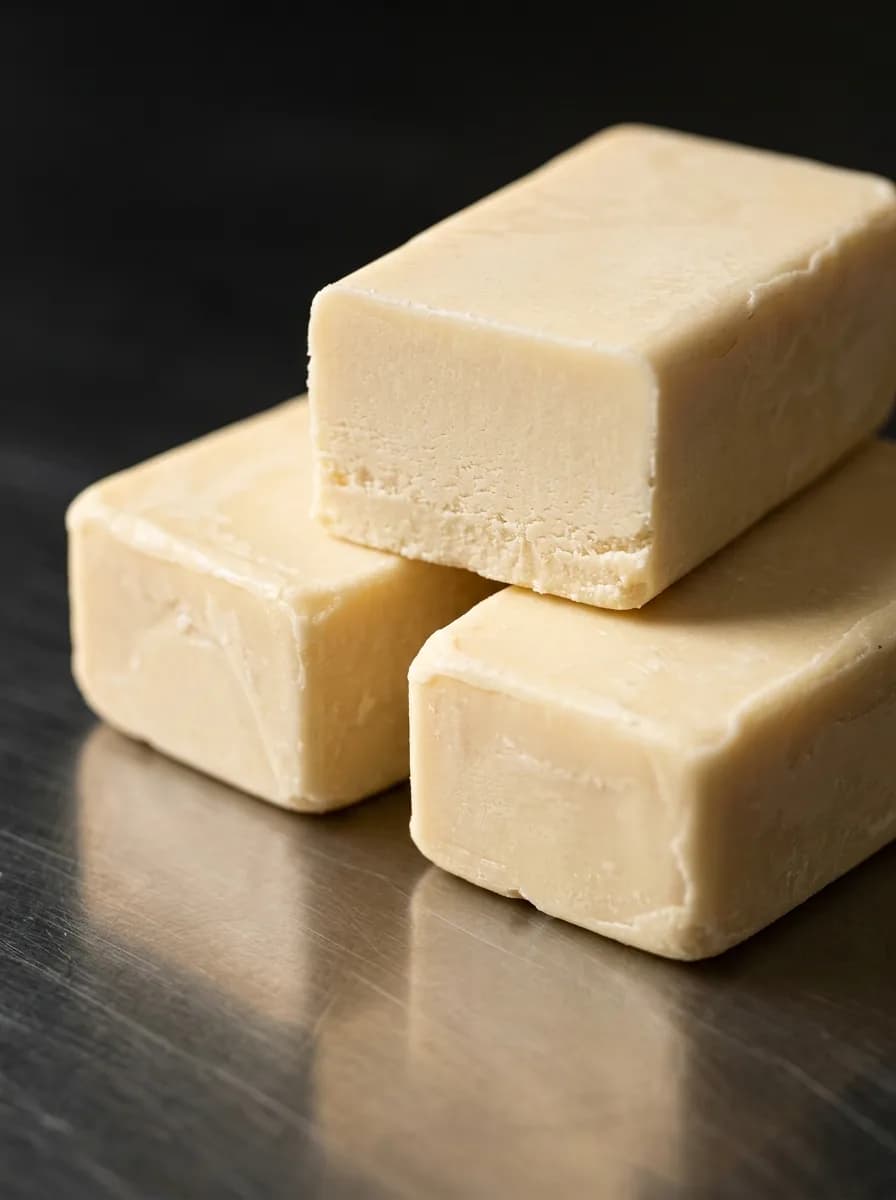
Cacao Butter
100% natural cacao fat, never deodorized, for chocolate making, cosmetics, and pharmaceuticals. Blocks from 25kg.
View Spec Sheet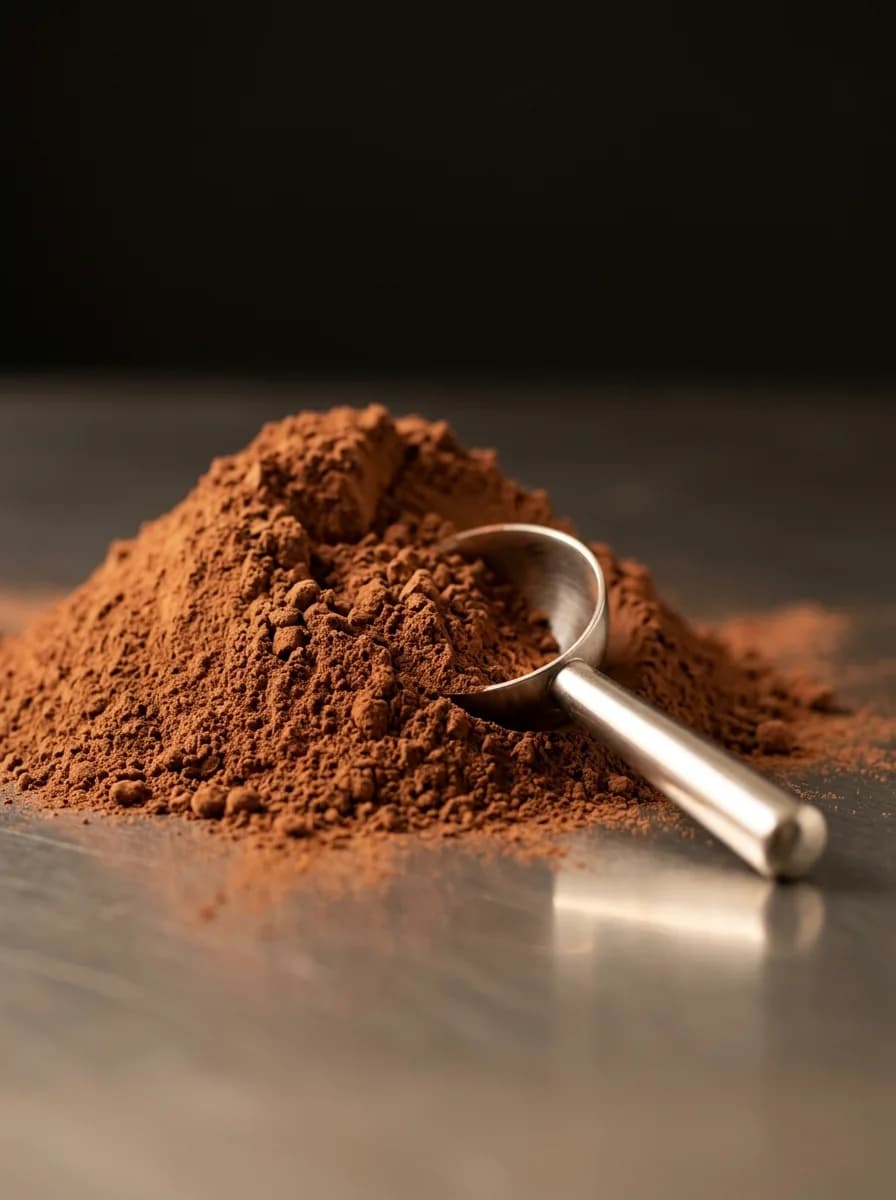
Cacao Powder
Defatted cacao powder, natural or alkalized, for baking, beverages, and snacks. Sacks from 25kg.
View Spec Sheet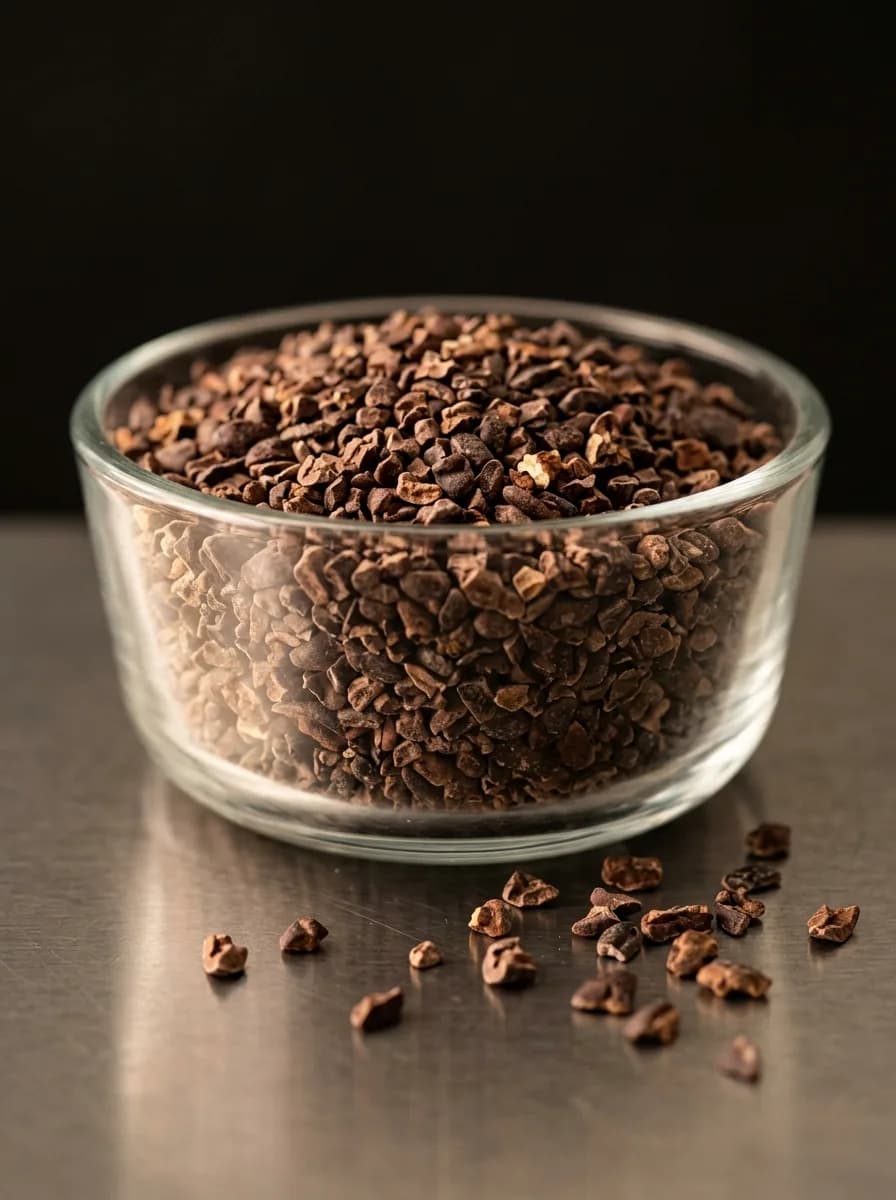
Cacao Nibs
Roasted, cracked cacao ready for chocolate makers and healthy snack brands. Bulk and sample available.
View Spec Sheet