Criollo Cacao vs. Nacional Fine-Flavor: A Guide to Premium Varieties
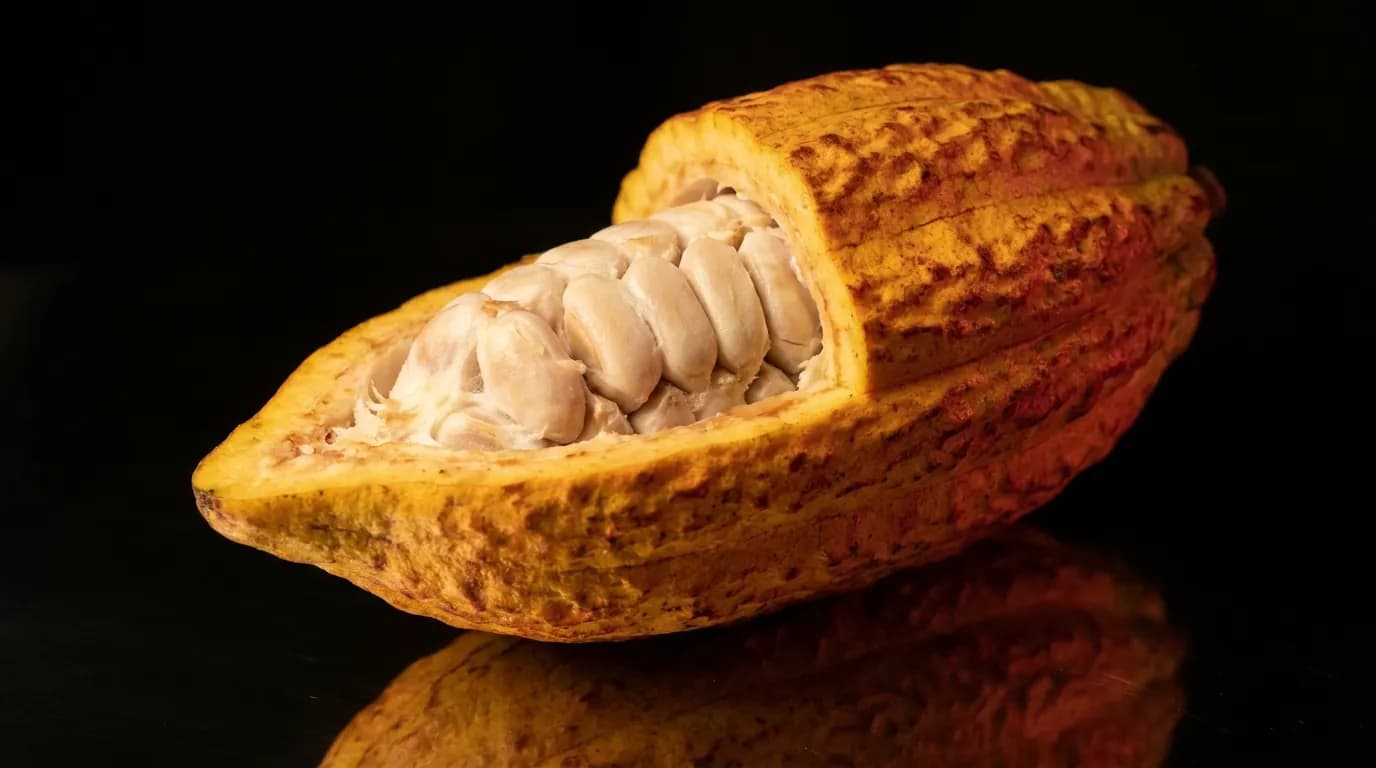
Table of Contents
- 01The Genetic Tapestry of Criollo Cacao and Other Principal Varieties
- 02Chemical Composition and Flavor Precursors in Criollo Cacao and Other Varieties
- 03Industrial Applications and Market Positioning: The Role of Criollo Cacao Blends
- 04Fino de Aroma: Ecuador's Official Classification and Its Significance
- 05Comparative Analysis of Cocoa Varieties for Industrial Procurement
- 06B2B Procurement, Logistics, and Payment Terms for Criollo Cacao Blends
The global cocoa industry operates on a foundation of diverse genetic profiles, each contributing unique characteristics to the final chocolate product. Understanding these foundational differences is paramount for B2B stakeholders, from bean-to-bar manufacturers to large-scale industrial processors. The choice of cocoa variety directly impacts flavor, processing efficiency, and market positioning. This article delves into the primary cocoa classifications, emphasizing the distinctive 'Fino de Aroma' designation crucial for premium Ecuadorian beans, and provides a comprehensive overview for industrial procurement.
The Genetic Tapestry of Criollo Cacao and Other Principal Varieties
The world of cocoa is broadly categorized into several principal genetic groups, each with distinct horticultural and organoleptic properties. These classifications are not merely botanical curiosities; they represent fundamental differentiators in the supply chain, influencing everything from cultivation practices to end-product formulation. While the genetic landscape is increasingly complex due to hybridization and clonal development, a foundational understanding of the main types remains essential.
Criollo Cacao: The Ancestral Lineage
Historically revered as the "prince of cocoas," criollo cacao is often associated with the finest flavor profiles. Originating in Central and South America, particularly in regions like Venezuela and Mexico, Criollo trees are characterized by their delicate nature, lower yields, and susceptibility to diseases. The pods are typically red or yellow, with deep furrows and a warty surface. The beans inside are plump, white or pale purple, and possess a distinct aroma even before fermentation. The flavor notes associated with Criollo are complex and nuanced, often described as having hints of caramel, nuts, vanilla, and red fruits, with low bitterness and astringency. Due to its fragility and lower productivity, pure Criollo is rare and commands a premium price in the market. Its genetic purity is often debated, as extensive cross-breeding has occurred over centuries.
Forastero: The Workhorse of the Industry
Forastero, meaning "foreigner" in Spanish, is the most widely cultivated cocoa variety globally, accounting for approximately 80-90% of the world's cocoa production. Native to the Amazon basin, Forastero trees are robust, high-yielding, and more resistant to diseases than Criollo. The pods are typically yellow, smooth, and rounder, with thicker walls. The beans are flatter, purple, and possess a stronger, more robust chocolate flavor, often with higher bitterness and astringency. While less complex than Criollo, Forastero provides the backbone for mass-market chocolate production due to its resilience and productivity. Its flavor profile is often described as classic "chocolatey," sometimes with earthy or woody notes. The dominant subtype of Forastero is Amelonado, widely grown in West Africa.
Trinitario: The Hybrid Vigor
Trinitario is a natural hybrid of Criollo and Forastero, originating in Trinidad after a devastating disease outbreak in the 18th century decimated the local Criollo populations. Farmers introduced Forastero varieties, leading to natural cross-pollination. Trinitario combines the best attributes of both parents: the robust growth and higher yields of Forastero with the finer flavor characteristics of Criollo. Trinitario pods exhibit a wide range of shapes and colors, reflecting their hybrid nature. The beans are typically purple, offering a balance of strong chocolate flavor with more nuanced notes of fruit, nuts, and spices, and often less bitterness than pure Forastero. Trinitario varieties are highly valued for their versatility and are widely cultivated in many cocoa-producing regions, including parts of Latin America and Asia. They represent a significant portion of the fine flavor cocoa market.
Nacional (Arriba): Ecuador's Fine Flavor Heritage
Ecuador's indigenous cocoa variety, historically known as Nacional, is synonymous with the term "Arriba," referring to its origin in the upstream regions of the Guayas River basin. Nacional is a distinct genetic group, often considered a unique branch within the cocoa family tree, separate from the traditional Criollo, Forastero, and Trinitario classifications. It is renowned for its exceptional aromatic qualities, earning it the official designation of 'Fino de Aroma' by the International Cocoa Organization (ICCO). This classification is not merely a marketing term but a recognition of its superior flavor profile. Nacional beans typically produce a chocolate with intense floral notes, often jasmine or orange blossom, combined with fruity undertones, a clean finish, and low astringency. The pods are generally green, turning yellow or orange when ripe, with a slightly rough surface. The beans are large and plump, often pale purple or white. The preservation and promotion of Nacional are critical for Ecuador's position in the specialty cocoa market.
Clonal Varieties: CCN-51 and Beyond
The cocoa industry has increasingly turned to clonal varieties to address challenges such as disease susceptibility, low yields, and inconsistent flavor. Clones are propagated vegetatively from a single parent plant, ensuring genetic uniformity. One of the most prominent and controversial clones is CCN-51 (Colección Castro Naranjal 51), developed in Ecuador. CCN-51 is a high-yielding, disease-resistant clone, particularly tolerant to Moniliophthora pod rot (Monilia) and frosty pod rot (Phytophthora). It offers significant economic advantages to farmers due to its productivity and early bearing. However, its flavor profile has been a subject of debate. While it provides a strong, consistent chocolate base, it often lacks the complexity and nuanced notes found in traditional fine flavor varieties. Some describe its flavor as robust, sometimes with earthy or woody notes, and occasionally higher acidity or astringency if not properly fermented. Despite flavor criticisms, CCN-51 plays a vital role in industrial cocoa production, providing a reliable and cost-effective source of beans for blending and mass-market applications. Other clones are continually being developed and evaluated for improved flavor, yield, and disease resistance, representing the future of sustainable cocoa farming.
Chemical Composition and Flavor Precursors in Criollo Cacao and Other Varieties
The distinct flavor profiles of cocoa varieties are fundamentally rooted in their biochemical composition, particularly the concentration and types of flavor precursors present in the raw beans. These precursors undergo complex transformations during fermentation and roasting, ultimately yielding the myriad of aromatic compounds that define chocolate flavor.
Polyphenols and Astringency
Polyphenols, primarily flavanols (e.g., epicatechin, catechin), are abundant in raw cocoa beans and are largely responsible for bitterness and astringency. Criollo cacao typically has lower concentrations of total polyphenols compared to Forastero varieties. This lower polyphenol content contributes to Criollo's characteristic low bitterness and smoother mouthfeel. During fermentation, enzymatic oxidation of polyphenols occurs, reducing their concentration and mitigating astringency. Forastero beans, with their higher polyphenol content, require more precise fermentation to manage bitterness effectively. Trinitario and Nacional varieties generally fall between Criollo and Forastero in their polyphenol levels, contributing to their balanced flavor profiles.
Sugars and Amino Acids: The Maillard Reaction Substrates
The free amino acids and reducing sugars (glucose, fructose) present in cocoa beans are crucial substrates for the Maillard reaction, which occurs during roasting. This non-enzymatic browning reaction generates hundreds of volatile and non-volatile compounds responsible for the characteristic roasted, nutty, and caramel notes in chocolate. Criollo beans often contain a favorable balance of these precursors, contributing to their complex and delicate flavor development. Nacional beans are particularly noted for their unique amino acid profiles, which, when combined with specific sugar compositions, lead to the distinctive floral and fruity notes. Clones like CCN-51, while providing a good base for Maillard reactions, may have different precursor ratios that result in a more straightforward, robust chocolate flavor, sometimes with higher acidity.
Volatile Compounds and Aromatic Profiles
The final aroma of chocolate is determined by a complex interplay of hundreds of volatile compounds. These include aldehydes, ketones, pyrazines, esters, and acids. The genetic background of the cocoa bean significantly influences the initial pool of these compounds and their precursors. For instance, Criollo and Nacional varieties are often rich in precursors that lead to desirable floral (e.g., linalool, phenylethyl alcohol), fruity (e.g., esters), and nutty (e.g., pyrazines) notes. Forastero varieties tend to produce more robust, earthy, and sometimes woody notes, with higher levels of pyrazines. The precise balance of these compounds, influenced by genetics, fermentation, and roasting, dictates the overall aromatic complexity and desirability of the cocoa.
Industrial Applications and Market Positioning: The Role of Criollo Cacao Blends
In the industrial cocoa sector, the selection of bean varieties is a strategic decision driven by desired end-product characteristics, cost-efficiency, and supply reliability. While pure criollo cacao is rare and expensive, its flavor attributes are highly sought after, leading to the widespread use of blends.
Premium Chocolate and Specialty Markets
For manufacturers targeting the premium and specialty chocolate markets, fine flavor cocoas like Nacional (Arriba) and high-quality Trinitario are indispensable. These varieties provide the complex aromatic profiles—floral, fruity, nutty, and spicy—that distinguish high-end chocolate. Our approach, for instance, leverages a premium blend of Nacional/Arriba fine-flavor with the fine-flavor Balao variety. This strategic blending allows us to achieve a balanced flavor profile that combines the aromatic complexity of Nacional with the robust chocolate notes and higher yields of Forastero types, offering a superior product that is both economically viable and consistently high in quality. This blend is ideal for bean-to-bar operations, artisanal chocolatiers, and companies producing high-percentage dark chocolates where flavor purity is paramount.
Mass Market and Confectionery
For large-scale industrial applications, such as mass-market chocolate bars, confectionery coatings, and cocoa powder, consistency, yield, and cost-effectiveness are primary considerations. Forastero varieties, including high-yielding clones like CCN-51, form the backbone of this segment. Their robust flavor, while less nuanced, provides a reliable chocolate base that performs well in various formulations and stands up to other ingredients. These varieties are crucial for maintaining competitive pricing and ensuring a stable supply chain for high-volume production. Our blended approach also caters to this segment by providing a cost-effective solution that elevates the flavor profile beyond standard Forastero, offering a competitive edge for clients seeking improved taste without prohibitive costs.
Cocoa Butter and Cocoa Powder Production
The choice of cocoa variety also impacts the characteristics of cocoa butter and cocoa powder. Fine flavor beans tend to yield cocoa butter with more delicate aromas, desirable for high-end chocolate and cosmetic applications. The residual cocoa solids, when processed into cocoa powder, retain some of the flavor characteristics of the original bean. Forastero beans, due to their higher fat content and robust flavor, are commonly used for industrial cocoa butter and powder production, providing consistent color and flavor for a wide range of food and beverage applications.
Fino de Aroma: Ecuador's Official Classification and Its Significance
The designation 'Fino de Aroma' (Fine Aroma) is a crucial classification within the global cocoa industry, particularly for Ecuadorian cocoa. This official recognition by the International Cocoa Organization (ICCO) distinguishes cocoa beans based on their superior flavor and aroma profiles, setting them apart from bulk or ordinary cocoa.
ICCO Classification Criteria
The ICCO classifies cocoa into two broad categories: 'Fine or Flavor Cocoa' and 'Bulk Cocoa'. Ecuador is recognized as one of the leading producers of Fine or Flavor Cocoa, with Nacional (Arriba) being its flagship variety. The 'Fino de Aroma' designation is not merely a subjective assessment but is based on a combination of genetic origin, sensory evaluation, and historical reputation. Beans classified as Fino de Aroma exhibit complex and nuanced flavor notes, including floral, fruity, nutty, and spicy undertones, with low bitterness and astringency. This contrasts sharply with 'Bulk Cocoa,' which typically offers a more robust, straightforward chocolate flavor, often with higher bitterness.
Economic and Market Impact
The Fino de Aroma classification significantly impacts market positioning and pricing. Fine flavor cocoas command a premium price in the international market due to their rarity and superior organoleptic qualities. This allows producers and exporters to access niche markets, such as artisanal chocolatiers, high-end confectionery manufacturers, and specialty food companies, who prioritize flavor excellence. For Ecuador, the Fino de Aroma designation is a source of national pride and a cornerstone of its agricultural export strategy, enabling it to differentiate its cocoa from that of larger, bulk-producing nations. Our commitment to sourcing and processing premium Ecuadorian beans, including those contributing to the Fino de Aroma profile, ensures that our clients receive a product of exceptional quality and market value.
Comparative Analysis of Cocoa Varieties for Industrial Procurement
Understanding the distinct characteristics of each cocoa variety is critical for industrial procurement, influencing decisions related to product development, cost management, and supply chain resilience. The following table provides a detailed comparison across key parameters relevant to B2B operations.
| Variety | Origin | Yield (kg/ha/year) | Disease Resistance | Flavor Notes | Typical Bean Color (Fermented) | Industrial Application |
|---|---|---|---|---|---|---|
| Criollo | Central/South America | Low (200-400) | Low (Susceptible to Monilia, Phytophthora) | Delicate, complex, nutty, caramel, vanilla, red fruits, low bitterness/astringency | Pale brown to light purple | Ultra-premium chocolate, artisanal, blending for complexity |
| Forastero (Amelonado) | Amazon Basin, West Africa | High (800-1500+) | High (Robust, more resistant) | Robust, classic chocolate, earthy, sometimes woody, higher bitterness/astringency | Dark purple to brown | Mass-market chocolate, cocoa powder, cocoa butter, confectionery |
| Trinitario | Trinidad (Hybrid) | Medium-High (600-1000) | Medium (Variable, generally good) | Balanced, fruity, nutty, spicy, floral, good chocolate base, moderate bitterness | Purple to reddish-brown | Premium chocolate, specialty blends, versatile applications |
| Nacional (Arriba) | Ecuador | Medium (500-800) | Medium (Variable, susceptible to Witches' Broom) | Distinctive floral (jasmine, orange blossom), fruity, clean finish, low astringency, 'Fino de Aroma' | Pale purple to light brown | Fine flavor chocolate, single-origin bars, high-end confectionery |
| CCN-51 (Clone) | Ecuador (Hybrid) | Very High (1500-2500+) | Very High (Resistant to Monilia, Phytophthora) | Robust, strong chocolate, sometimes acidic or earthy, less nuanced than fine flavor | Dark purple | Industrial chocolate, blending for yield/consistency, cocoa powder/butter |
B2B Procurement, Logistics, and Payment Terms for Criollo Cacao Blends
Navigating the procurement of premium cocoa beans requires a clear understanding of logistical processes, quality assurance, and financial terms. Our operations are designed to provide a seamless and reliable supply chain for our B2B partners, ensuring high-quality products and transparent transactions.
Our Sourcing and Processing Capabilities
Our commitment to quality begins at the source. We maintain strong, long-standing relationships with over 100 allied farms across the prime cocoa-growing regions of Ecuador: Manabí, Esmeraldas, and Pichincha. These relationships, cultivated over six years, ensure a consistent supply of high-quality beans, including the fine-flavor Nacional/Arriba varieties and fine-flavor Balao beans that form our premium blend. This direct engagement with farmers allows for greater control over cultivation practices, post-harvest processing (fermentation and drying), and adherence to quality standards. Our state-of-the-art processing facility in Cayambe, Ecuador, is equipped to handle cocoa beans with precision, ensuring optimal fermentation, drying, cleaning, and packaging. While we do not hold USDA/EU organic certification, organically grown non-certified cacao is available upon contract demand, reflecting our flexibility to meet specific client requirements.
Export Logistics: FOB Guayaquil
All our exports are managed on a Free On Board (FOB) basis from the Port of Guayaquil, Ecuador. This means that we are responsible for delivering the goods to the named port of shipment, clearing them for export, and loading them onto the vessel nominated by the buyer. Once the goods are on board, the risk of loss or damage to the goods passes to the buyer. This standard Incoterm provides clarity and predictability for international trade. Our experienced logistics team ensures all necessary documentation, including phytosanitary certificates, certificates of origin, and commercial invoices, are meticulously prepared and submitted to facilitate smooth customs clearance and international shipping. We work with reputable shipping lines to ensure timely and efficient delivery to destinations worldwide.
Payment Terms: 60% Advance / 40% Against FOB Documents
To ensure a secure and mutually beneficial transaction, our standard payment terms for B2B clients are structured as follows: a 60% advance payment is required upon order confirmation. This initial payment secures the raw material, covers initial processing costs, and reserves production capacity. The remaining 40% balance is due upon presentation of the FOB shipping documents. These documents typically include the Bill of Lading (or other transport document), commercial invoice, packing list, and any required certificates. This payment structure provides financial security for both parties: the advance payment mitigates our production risk, while the balance payment against shipping documents ensures that the buyer has proof of shipment before making the final payment. For specific client requests regarding heavy metal or cadmium testing, these services are available upon request of the client and at their cost, ensuring transparency and adherence to specific market regulations.
Our commitment to quality, transparent logistics, and flexible payment terms makes us a reliable partner for your cocoa procurement needs. We understand the intricacies of the global cocoa market and are dedicated to providing premium Ecuadorian cocoa products that meet the highest industrial standards.
For further inquiries regarding our premium criollo cacao blends, processing capabilities, or to discuss a tailored procurement solution, please do not hesitate to contact us. Our team is ready to assist you in sourcing the finest Ecuadorian cocoa for your industrial needs.
When a buyer's spec sheet asks specifically for a criollo cacao bean rather than a Nacional or Trinitario blend, the distinction is genetic, not marketing: true criollo carries thinner testa, lower anthocyanin pigmentation and a milder, less astringent cup even before fermentation, which is why it ferments faster and forgives a shorter box time better than the hardier hybrids it is often confused with.
Requests for criollo cacao powder are less common than for beans, and the reason is economic rather than technical. Criollo is scarce and priced accordingly, while pressing into powder removes most of what makes the variety distinctive, since the aromatic complexity buyers pay for sits largely in the fat that gets separated out. Pressing a scarce fine-flavor bean into powder is therefore an expensive way to obtain a product whose main quality drivers are pH, fat content and fineness. If the varietal claim matters for your positioning, mass or nibs preserve it far better than powder does.
Related reading: Cacao Origins Compared: A Sourcing Guide for B2B Buyers.
Cacao Beans
Interested in sourcing this product directly from our factory in Cayambe, Pichincha?
Frequently Asked Questions About This Topic
What is Criollo cacao?
Criollo is a rare, genetically sensitive cacao variety known for its pale beans, low bitterness, and delicate fruit and nut notes. It makes up less than 1-2% of global production due to low yield and disease susceptibility.
What is the best cacao in the world?
While Criollo is highly prized, many chocolate experts consider Ecuador's Nacional Arriba (fine-flavor) to be the best due to its unique floral 'Arriba' aroma, rich chocolate body, and agronomic resilience.
Is Criollo cacao more expensive?
Yes. Because of its scarcity, low yields, and susceptibility to pests, pure Criollo beans command significant premium prices on the international specialty cocoa market.
Related articles
Does Cacao Have Caffeine? The Truth About Stimulants in Cocoa Beans
A deep B2B analysis of the actual caffeine content in cacao vs. theobromine, featuring exact serving comparisons and stimulant profiles.
Read ArticleTheobromine Benefits: The Active Energy Compound in Cacao Nibs
An objective industrial exploration of theobromine benefits, its physiological mechanisms, safety thresholds, and occurrence in cacao products.
Read ArticleThe Ultimate Chocolate & Cacao Glossary: Technical Definitions
Explore our comprehensive technical glossary covering essential chocolate and cacao definitions for professionals in the manufacturing and culinary industries.
Read Article