Theobromine Benefits: The Active Energy Compound in Cacao Nibs
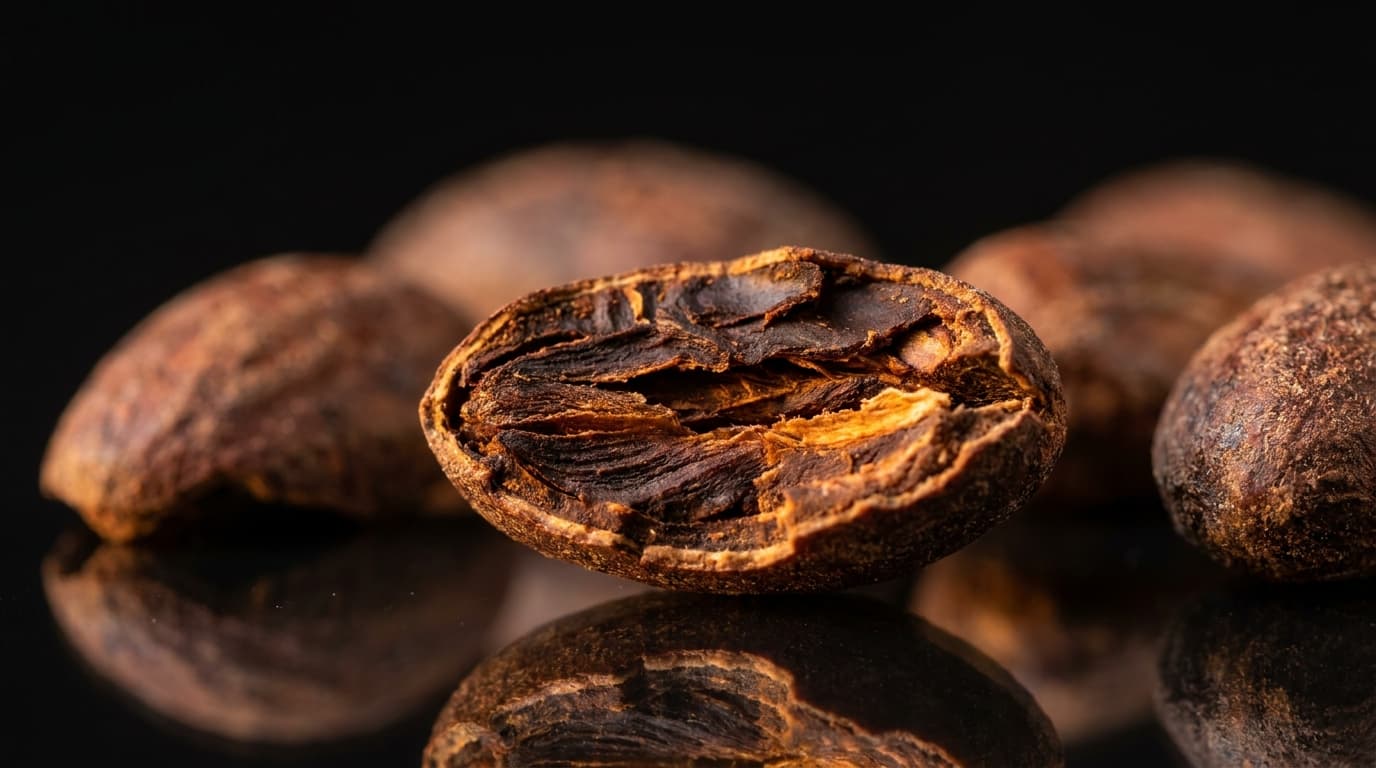
Table of Contents
- 01The Chemistry and Physiological Theobromine Benefits
- 02Industrial Applications and Product Development Leveraging Theobromine Benefits
- 03Comparative Analysis of Theobromine Concentration in Cocoa Derivatives
- 04Safety Guidelines and Regulatory Considerations for Theobromine
- 05B2B Procurement: Sourcing, Logistics, and Payment Terms
- 06Conclusion
The global cocoa industry, a multi-billion dollar sector, relies heavily on the intricate chemical composition of the cocoa bean for its diverse product offerings. Among the myriad of compounds present, theobromine stands out as a key alkaloid, significantly contributing to the characteristic physiological effects and flavor profiles associated with cocoa and chocolate. Understanding the multifaceted theobromine benefits is paramount for industrial stakeholders, from raw material sourcing to final product formulation. This article delves into the scientific underpinnings of theobromine, its industrial applications, and critical considerations for B2B procurement within the agricultural export landscape.
The Chemistry and Physiological Theobromine Benefits
Theobromine (3,7-dimethylxanthine) is a methylxanthine alkaloid, structurally similar to caffeine but with distinct pharmacological properties. It is predominantly found in the cocoa plant (Theobroma cacao), with varying concentrations across different cocoa derivatives. Its chemical structure features a purine ring system, which is responsible for its interaction with various biological receptors. Unlike caffeine, which has a more pronounced central nervous system stimulant effect, theobromine exhibits a milder, yet sustained, physiological impact. This distinction is crucial for product development, particularly in formulations targeting sustained energy release without the common "caffeine crash."
The primary physiological theobromine benefits stem from its actions as a phosphodiesterase inhibitor and an adenosine receptor antagonist. By inhibiting phosphodiesterase enzymes, theobromine increases intracellular cyclic AMP (cAMP) levels, leading to smooth muscle relaxation, particularly in the bronchi and blood vessels. This vasodilation contributes to improved blood flow, which can have implications for cardiovascular health and cognitive function. The mild vasodilatory effect is a key differentiator from caffeine, which can sometimes induce vasoconstriction in certain contexts. Furthermore, its antagonism of adenosine receptors contributes to its stimulant properties, albeit less intensely than caffeine. Adenosine typically promotes relaxation and sleepiness; by blocking these receptors, theobromine can enhance alertness and reduce fatigue, but without the acute jitters often associated with high caffeine intake.
Beyond these primary mechanisms, theobromine also possesses antioxidant properties, contributing to cellular protection against oxidative stress. This is an increasingly valued attribute in functional food and beverage formulations. The sustained energy release attributed to theobromine is particularly appealing for products aimed at athletes, students, or professionals seeking prolonged focus and stamina. Its longer half-life in the human body compared to caffeine means its effects are more gradual and enduring, making it a preferred ingredient for certain applications where a gentle, prolonged uplift is desired over an abrupt, short-lived boost.
The interaction of theobromine with other compounds in cocoa, such as flavonoids and other methylxanthines, creates a synergistic effect that contributes to the overall health benefits associated with cocoa consumption. This complex interplay underscores the importance of utilizing high-quality cocoa derivatives in industrial applications to harness the full spectrum of these beneficial compounds.
Industrial Applications and Product Development Leveraging Theobromine Benefits
The unique profile of theobromine benefits makes it a highly sought-after component in various industrial applications beyond traditional chocolate confectionery. Its mild stimulant and vasodilatory properties are increasingly being leveraged in the functional food and beverage sector, as well as in nutraceuticals and even cosmetics. For instance, in the functional beverage market, products designed for sustained energy, cognitive enhancement, or pre-workout supplementation often incorporate cocoa extracts standardized for theobromine content. The absence of the sharp peak and subsequent crash associated with caffeine makes theobromine an attractive alternative for consumers seeking a smoother energy curve.
In the confectionery industry, theobromine contributes significantly to the sensory experience of chocolate. While not directly responsible for the primary bitter taste, its presence influences the overall flavor perception and mouthfeel. High-quality dark chocolates, known for their robust flavor and perceived health benefits, typically contain higher concentrations of theobromine. Manufacturers are increasingly highlighting the natural presence of theobromine in their premium dark chocolate offerings as a marketing advantage, appealing to health-conscious consumers.
The nutraceutical sector is exploring theobromine for its potential cardiovascular benefits. Its mild vasodilatory action, which can help improve blood flow, is of interest for formulations aimed at supporting circulatory health. Research into its anti-inflammatory and antioxidant properties further expands its potential applications in dietary supplements targeting overall wellness and healthy aging. The ability of theobromine to relax smooth muscles also makes it a subject of interest in respiratory health applications, though these are still largely in the research phase.
Furthermore, the cosmetic industry has begun to incorporate cocoa extracts rich in theobromine due to its antioxidant properties, which can help protect skin cells from environmental damage. Its potential to improve blood circulation could also contribute to skin vitality and appearance, making it an ingredient in anti-aging and revitalizing skincare products. The versatility of theobromine across these diverse sectors underscores its growing importance as a functional ingredient.
Comparative Analysis of Theobromine Concentration in Cocoa Derivatives
The concentration of theobromine varies significantly across different cocoa derivatives, a critical factor for industrial buyers and product formulators. This variability is influenced by the cocoa bean variety, fermentation processes, roasting conditions, and the specific processing steps involved in creating the derivative. Understanding these differences is essential for achieving desired functional effects and maintaining product consistency.
| Cocoa Derivative | Typical Theobromine Concentration (mg/g) | Notes on Industrial Relevance |
|---|---|---|
| Cacao Nibs | 10 - 25 | Represent the raw, broken cocoa bean. High fiber content. Ideal for direct consumption, granola, or as a base for further processing. Concentration varies based on bean origin and processing. |
| Cacao Powder | 15 - 35 | Obtained after pressing cocoa liquor to remove most of the fat. Higher concentration due to fat removal. Used extensively in beverages, baking, and confectionery. Alkalization can slightly reduce concentration. |
| Cacao Liquor (Mass) | 10 - 20 | Ground cocoa nibs, a non-alcoholic paste. Contains both cocoa solids and cocoa butter. Fundamental ingredient for chocolate manufacturing. Concentration reflects the whole bean. |
| Cacao Butter | < 1 | The fat extracted from the cocoa bean. Contains negligible amounts of theobromine. Primarily used for texture, mouthfeel, and tempering in chocolate and cosmetics. |
| Dark Chocolate (70-85%) | 4 - 10 (per 10g serving) | Finished product, concentration depends on cocoa solids percentage. Higher cocoa content generally means higher theobromine. |
Cacao nibs, being the least processed form, offer a direct representation of the bean's alkaloid content. Their use in industrial applications ranges from inclusion in snack mixes to a base for artisanal chocolate production. Cacao powder, due to the removal of cocoa butter, exhibits a higher concentration of theobromine per unit weight, making it a potent ingredient for functional beverages and baking. Cacao liquor, the foundational ingredient for chocolate, contains a concentration reflective of the whole bean, serving as the primary source of theobromine in chocolate products. Cocoa butter, being almost entirely fat, contains negligible amounts of theobromine, highlighting the importance of selecting the appropriate derivative for specific functional requirements.
Industrial buyers must consider these concentration differences when formulating products to achieve desired functional outcomes and comply with labeling regulations. Analytical testing for theobromine content is a standard practice to ensure quality and consistency, especially for products making specific claims related to its benefits.
Safety Guidelines and Regulatory Considerations for Theobromine
While the theobromine benefits are well-documented, industrial users must also adhere to safety guidelines and regulatory considerations to ensure consumer safety and product compliance. Regulatory bodies worldwide, such as the European Food Safety Authority (EFSA), provide guidance on the safe consumption levels of various food compounds, including methylxanthines. Although theobromine is generally recognized as safe (GRAS) for human consumption at typical dietary levels, excessive intake can lead to adverse effects, similar to other stimulants.
The EFSA, for instance, has evaluated the safety of methylxanthines and provides recommendations regarding daily intake levels. While specific maximum intake levels for theobromine are not as strictly defined as for caffeine, the overall intake from cocoa and chocolate products is generally considered safe within a balanced diet. Industrial manufacturers must consider the cumulative intake of theobromine from all ingredients in their formulations, especially when combining multiple cocoa derivatives or other sources of methylxanthines.
For products marketed with specific health claims related to theobromine, robust scientific evidence is required to substantiate these claims, and compliance with local food and drug administration regulations is paramount. This includes accurate labeling of ingredients and, where applicable, the quantity of active compounds. For instance, if a product is marketed for its "sustained energy" benefits due to theobromine, the manufacturer must ensure that the concentration is sufficient to elicit such an effect and that the claim is not misleading.
Furthermore, it is crucial to note that while humans metabolize theobromine relatively efficiently, certain animals, particularly dogs, metabolize it much slower, making it toxic to them even at relatively low doses. This is a critical consideration for manufacturers of pet food or products that might be inadvertently consumed by pets, necessitating clear warnings and appropriate packaging. Adherence to Good Manufacturing Practices (GMP) and stringent quality control measures, including regular analytical testing for theobromine content, are essential for all industrial applications to ensure both product efficacy and consumer safety.
B2B Procurement: Sourcing, Logistics, and Payment Terms
For industrial buyers seeking to leverage the theobromine benefits in their products, the procurement process involves several critical considerations, from sourcing high-quality raw materials to managing logistics and payment terms. Our commitment to providing premium cocoa derivatives is rooted in a vertically integrated supply chain that ensures both quality and traceability.
Our processing facility, strategically located in Cayambe, Ecuador, is at the heart of our operations. This location allows us to efficiently process cocoa beans sourced directly from our network of 100 allied farms. These farms are situated in the prime cocoa-growing regions of Manabí, Esmeraldas, and Pichincha, areas renowned for producing fine-flavor cocoa. We have cultivated strong, enduring relationships with these farmers over the past six years, fostering sustainable practices and ensuring a consistent supply of high-quality beans. This direct relationship allows for meticulous control over fermentation and drying processes, which are crucial for developing the desired flavor precursors and optimal alkaloid content, including theobromine.
When it comes to B2B procurement, we offer a range of cocoa derivatives, including cacao liquor, cacao powder, cacao butter, and cacao nibs. Each product undergoes rigorous quality control at our Cayambe facility to meet stringent international standards. While our products are organic non-certified, organic certification is available upon contract demand, catering to specific market requirements. We do not perform heavy-metal or cadmium testing on every batch; however, this service is available upon client request and at their cost, ensuring transparency and flexibility for our industrial partners.
Logistics for international shipments are managed efficiently from the Port of Guayaquil, Ecuador's largest and most active port. We operate on a Free On Board (FOB) Guayaquil basis, meaning that the seller (us) is responsible for delivering the goods onto the vessel nominated by the buyer at the port of shipment. All costs and risks are transferred to the buyer once the goods are loaded. Our experienced logistics team ensures all necessary export documentation, customs clearances, and shipping arrangements are handled professionally, providing a seamless experience for our international clients.
Our standard payment terms for B2B transactions are structured to provide security for both parties: a 60% advance payment is required upon order confirmation, with the remaining 40% due against the presentation of FOB shipping documents. This arrangement ensures that production and logistics are initiated promptly while providing the buyer with assurance that payment for the balance is linked to the physical shipment of goods. We understand the complexities of international trade and are committed to building long-term, reliable partnerships with our clients, offering flexibility and transparency throughout the procurement process. Our extensive experience in agricultural exports and our deep understanding of the cocoa market position us as a trusted supplier for industrial-scale cocoa derivative needs.
Our commitment to quality extends beyond the product itself to the entire supply chain. We believe in fostering sustainable practices at the farm level, ensuring fair compensation for our allied farmers and promoting environmentally responsible cultivation methods. This holistic approach not only guarantees a consistent supply of premium cocoa but also aligns with the growing demand for ethically sourced ingredients in the global market. Our traceability systems allow industrial buyers to understand the origin of their cocoa, providing an additional layer of assurance and supporting their own sustainability initiatives. This transparency is a cornerstone of our B2B offering, enabling our partners to confidently integrate our cocoa derivatives into their product lines, knowing the full story behind their ingredients.
Conclusion
Theobromine, a vital methylxanthine alkaloid found in cocoa, offers a spectrum of benefits that are increasingly valuable in the industrial food, beverage, and nutraceutical sectors. Its mild vasodilatory effects, smooth muscle relaxation properties, and ability to provide sustained energy without the abruptness of caffeine make it a highly desirable functional ingredient. Understanding its chemical properties, concentration variations across cocoa derivatives, and regulatory landscape is crucial for industrial buyers and product developers.
Our vertically integrated supply chain, from 100 allied farms in Ecuador's prime cocoa regions to our state-of-the-art processing facility in Cayambe, ensures the consistent delivery of high-quality cocoa derivatives rich in theobromine. With robust B2B procurement processes, transparent logistics from the Port of Guayaquil, and clear payment terms, we are equipped to be your reliable partner in sourcing premium cocoa ingredients. We invite industrial clients to explore the potential of our cocoa products to enhance their formulations and meet evolving consumer demands for functional and ethically sourced ingredients.
For further inquiries regarding our cocoa derivatives, specifications, or to discuss your specific industrial requirements, please do not hesitate to contact us. Our team of experts is ready to assist you in leveraging the full potential of high-quality cocoa in your product development.
Consumer interest in cacao for heart health is what drives much of the demand for minimally processed powders, and it is also where brands most often overstep. In the European Union, one health claim relating to cocoa flavanols has been authorized, but it is tied to a defined daily intake and to product conditions that have to be met and documented; anything beyond that authorized wording is not permitted on a label regardless of the underlying literature. The practical consequence for a buyer is analytical rather than editorial: if the claim is part of the product concept, the flavanol content has to be measured on the actual lots, and the processing has to be specified to preserve it, since alkalization and high roasting temperatures both reduce it. Sourcing decisions come before copy decisions here, not after.
Searches for cacao medicine and the softer cacao good for you deserve a clear boundary rather than a hedge. Cacao is a food, not a medicine, and no supplier should suggest otherwise. What is defensible is compositional: it contains theobromine, flavanols, magnesium and fibre in quantities that depend on processing, and in the European Union exactly one health claim relating to cocoa flavanols has been authorized, under defined conditions of intake and product composition. Anything outside that authorized wording is not permitted on a label, regardless of how much literature exists. For a buyer the practical translation is that the sourcing decision, unalkalized, temperature-controlled, analytically verified, comes before any copy decision, and that copy still has to stay inside the regulation.
Related reading: Mushroom Cacao Blends: B2B Formulation & Sourcing Guide.
Cacao Nibs
Interested in sourcing this product directly from our factory in Cayambe, Pichincha?
Frequently Asked Questions About This Topic
How much theobromine is safe per day?
According to EFSA guidelines and research, daily doses of 200 mg to 500 mg of theobromine are completely safe for healthy adults. This equivalent is naturally found in standard portions of dark chocolate or cocoa nibs.
What foods are high in theobromine?
Cocoa beans and their derivatives (nibs, cocoa powder, cocoa mass) are the richest natural sources of theobromine. Small amounts are also found in tea leaves, yerba mate, and guarana.
Who should not take theobromine?
Individuals with severe cardiovascular conditions, heart arrhythmias, or those highly sensitive to methylxanthines should consult health professionals before consuming large amounts of highly concentrated cacao extracts.
Related articles
Does Cacao Have Caffeine? The Truth About Stimulants in Cocoa Beans
A deep B2B analysis of the actual caffeine content in cacao vs. theobromine, featuring exact serving comparisons and stimulant profiles.
Read ArticleCriollo Cacao vs. Nacional Fine-Flavor: A Guide to Premium Varieties
Explore the genetic differences, flavor profiles, and commercial realities of Criollo and Ecuadorian Nacional fine-flavor cacao varieties.
Read ArticleThe Ultimate Chocolate & Cacao Glossary: Technical Definitions
Explore our comprehensive technical glossary covering essential chocolate and cacao definitions for professionals in the manufacturing and culinary industries.
Read Article