From Bean to Brick: The Artisanal Process of Making Ceremonial Cacao Paste
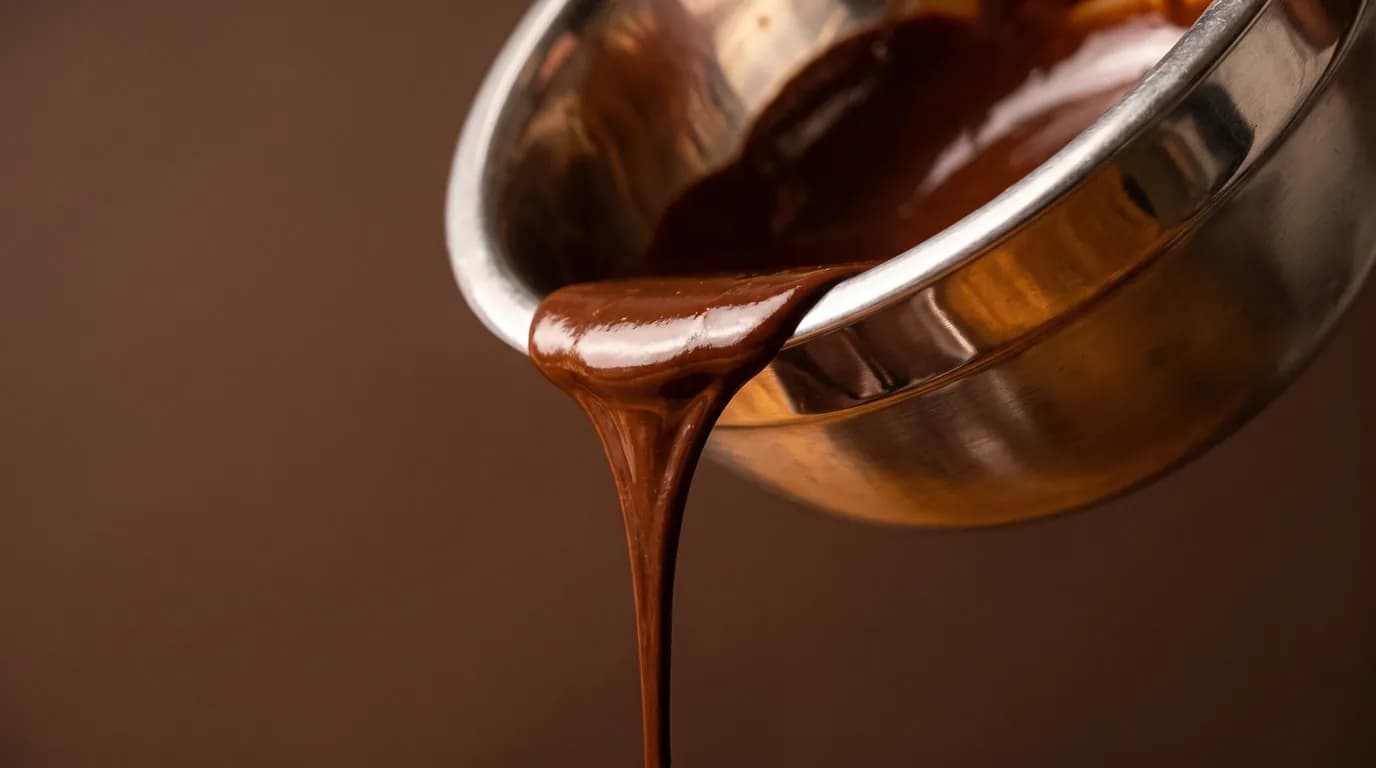
Table of Contents
- 011. Farm-Level Harvest and Kichwa Chacra Agronomy
- 022. Micro-Batch Fermentation in Local Hardwood Boxes
- 033. Sun-Drying on Raised Wooden Beds
- 044. Gentle Low-Temperature Roasting
- 055. Winnowing and granite Stone-Grinding
- 066. Tempering, Crystallization, and B2B Formats
- 07B2B Logistics and Heavy Metal Compliance
The journey from a fresh cacao pod hanging on a tree to a solid block of ceremonial cacao paste involves a sequence of precise chemical, botanical, and physical steps. Unlike mass-market cocoa liquor, which is optimized for industrial speed and high yields, ceremonial paste is treated as a nutraceutical product. In our processing factory, we preserve the genetic integrity and nutritional density of the Nacional Arriba bean through a slow, artisanal flow. This guide examines the agricultural, biochemical, and technical processes that convert raw Ecuadorian cacao into high-fat, bioactive ceremonial bricks.
1. Farm-Level Harvest and Kichwa Chacra Agronomy
The lifecycle of our ceremonial cacao begins in the bio-diverse agroforestry systems (Chacras) of Manabí, Esmeraldas, and Pichincha. We source our raw materials from approximately 100 small allied family farms, maintaining a collaborative network built over 6 years of direct trade. Under the strict supervision of our chief agronomist, Andrea Dávila, these growers follow a cultivation protocol that prohibits synthetic pesticides, herbicides, and chemical fertilizers.
Instead, soil fertility is maintained using mountain microorganisms, local composted cacao husks, and liquid organic bio-fertilizers (biol). This organic regime ensures that the trees draw nutrients from a living soil web, developing the complex terpene and mineral profiles characteristic of Nacional Arriba. Cacao pods are harvested exclusively by hand when they reach peak physiological maturity, determined by the color of the rind and the hollow sound produced by tapping the fruit. During the harvest, Kichwa traditions, including traditional harvesting songs, are honored to maintain a respectful connection to the crop. The pods are opened carefully using wooden tools to avoid cutting the seeds, and the beans—enshrouded in a sweet, white pulp—are extracted for immediate processing.
2. Micro-Batch Fermentation in Local Hardwood Boxes
Fermentation is the critical chemical phase where chocolate flavor precursors are developed. Immediately after extraction, the wet cacao beans are transported to local fermentation centers and placed into wooden boxes constructed from local laurel or guayacán wood. The wood provides a porous environment that harbors beneficial wild yeasts and acetic acid bacteria.
Our micro-batch fermentation protocol lasts between 5 and 6 days, depending on seasonal ambient temperatures. During the first 48 hours (the anaerobic phase), yeasts convert the sugars in the mucilage into ethanol. As the pulp breaks down and drains away, oxygen enters the box, initiating the aerobic phase. Acetic acid bacteria oxidize the ethanol into acetic acid, a highly exothermic reaction that raises the temperature of the bean mass up to 48°C. This temperature spike is crucial: it penetrates the bean shell, stops germination, and breaks down internal cell walls. This allows enzymes to react with polyphenols, reducing astringency and producing the distinct floral, nutty flavor precursors of the Nacional Arriba variety. The beans are turned every 24 hours to ensure uniform heat distribution and aeration.
3. Sun-Drying on Raised Wooden Beds
Once fermentation is complete, the beans contain approximately 60% moisture, which must be reduced to a stable 7.0% to prevent mold growth during storage and maritime transit. The beans are transferred to raised wooden drying beds (camillas) covered by greenhouse roofs to protect them from rainfall.
Slow, natural sun-drying is essential for quality. The beans are spread in thin layers and turned manually every 2 hours during the first 3 days. This gradual drying allows the acetic acid absorbed during fermentation to evaporate through the shell, lowering the harsh acidity of the raw seed. Rapid artificial drying, common in large industrial facilities, traps these acids inside the bean, resulting in an unpleasantly sour and bitter flavor. The drying process takes between 5 and 8 days, after which the moisture content is verified using digital grain moisture meters before packaging in breathable jute sacks.
4. Gentle Low-Temperature Roasting
The dried beans are transported to our processing facility in Cayambe, Pichincha, where they undergo sorting and a gentle roasting process. Industrial chocolate processing relies on high-temperature roasting (between 130°C and 150°C) to maximize output and sanitize beans of questionable origin. However, these temperatures denature temperature-sensitive bioactive compounds and volatize delicate terpenes.
To preserve these nutrients, we implement a gentle, low-temperature flash roast (under 110°C, typically around 105°C for 15 to 20 minutes). This temperature is sufficient to kill food-borne pathogens, meet microbiological safety standards, and loosen the outer husk, but it keeps the internal bean structure intact. This mild thermal treatment preserves the natural concentration of theobromine (a vasodilating alkaloid), flavonoids, L-tryptophan, and minerals such as magnesium and potassium, which are the cornerstones of ceremonial cacao's wellness properties.
5. Winnowing and granite Stone-Grinding
Following roasting, the beans are cracked and passed through a pneumatic winnower. The system separates the thin outer husks from the heavy, nutrient-dense nibs. The clean nibs are then transferred directly to traditional granite stone grinders (melangeurs).
The stone-grinding process is slow and continuous, lasting between 24 and 48 hours per batch. As the heavy granite rollers crush the nibs, the friction generates mild heat (monitored to ensure it never exceeds 45°C). This heat melts the natural fats, converting the solid nibs into a smooth, liquid paste. Stone-milling reduces the particle size of the cacao solids to under 20 microns, ensuring a silky mouthfeel when prepared as a drink. Crucially, stone-grinding avoids the high-heat friction and metal contact associated with high-speed industrial pin or ball mills, which can exceed 75°C and cause lipid oxidation. By keeping the processing temperature low, the natural fats (around 52-54% cocoa butter) remain unrefined, maintaining their chemical structure as a natural lipid carrier.
6. Tempering, Crystallization, and B2B Formats
The liquid paste is tempered to control the crystallization of the cocoa butter. Cocoa butter is polymorphic, meaning it can solidify into six distinct crystal forms (Form I to VI). For commercial blocks, establishing stable Form V crystals is critical to ensure the block has a clean snap, a glossy surface, and resistance to fat blooming (the migration of fat to the surface).
Because of our adherence to Andrea Dávila's micro-batch protocol, our ceremonial cacao is a limited-run product. We produce only 4 to 6 metric tons per cycle, making it unsuitable for full container shipments. The tempered paste is poured into food-grade molds to solidify into two specific commercial formats:
- 3 kg Blocks (Cold Chain Required): Designed for wellness practitioners and retail brands. This format preserves the delicate, unrefined fats. It must be shipped and stored under strict temperature controls (14–16°C) to prevent melting and fat bloom.
- 25 kg Blocks (Room Temperature): Designed for bulk repackagers and distributors. This format is more structurally resilient and can be transported at ambient temperatures in food-grade, high-barrier bulk liners, though exposure to direct solar heat must be avoided.
B2B Logistics and Heavy Metal Compliance
We maintain continuous Good Manufacturing Practices (BPM/GMP) monitoring at our Cayambe facility, ensuring clean processing and physical purity, backed by our active FDA registration. B2B buyers can request representative samples (1 to 5 kg) to evaluate our ceremonial paste. Samples are dispatched within ~3 business days if stock is available in our warehouse, with international courier freight costs (DHL or FedEx) covered by the buyer.
Our payment terms require a 50% advance deposit via SWIFT bank transfer, with the 50% balance cleared against the presentation of shipping documents (including the Bill of Lading, DAE, and AGROCALIDAD Phytosanitary Certificate) at the Port of Guayaquil. We do not assert active USDA Organic or EU Organic certifications for this product, but we can arrange organic certification under contract for committed annual volumes. Heavy metal (cadmium) compliance is a priority for imports to the European Union (under EU Regulation 488/2014). To manage this, we can commission a lot-specific ICP-MS heavy metal analysis in an accredited laboratory on request and at the buyer's cost, delivering the certified analysis report before the shipment leaves Guayaquil. For more detailed specifications on EU regulations, please read our article on EU cadmium limits for cacao. To discuss your volume requirements, contact our trade team directly at contact page.
Ceremonial Paste
Interested in sourcing this product directly from our factory in Cayambe, Pichincha?
Frequently Asked Questions About This Topic
Why is stone-grinding used for ceremonial cacao?
Stone-grinding avoids high heat and metal contact, preventing oxidation and preserving the natural nutrient profile of the cacao.
How long does the fermentation process take?
Our micro-batch fermentation takes between 4 to 6 days in local hardwood boxes to fully develop flavor precursors.
Related articles
Sourcing Ceremonial Cacao Wholesale: A Guide for B2B Buyers
What makes cacao truly ceremonial? Learn the criteria for sourcing pure, high-fat, traceable cacao paste from Manabí, Ecuador.
Read ArticleCeremonial Cacao Dosage, Preparation, and Sensory Effects: A B2B Guide
An essential B2B guide for wellness facilitators. Learn correct ceremonial cacao dosages, preparation methods, and the science of theobromine.
Read ArticleCeremonial Cacao Recipe: How to Prepare It Step by Step
A practical, step-by-step recipe for ceremonial cacao: the correct paste-to-water ratio, ideal temperature, whisking technique, and variations for facilitators.
Read Article