Baking Cocoa vs. Natural Cocoa Powder: An Industrial Sourcing Guide
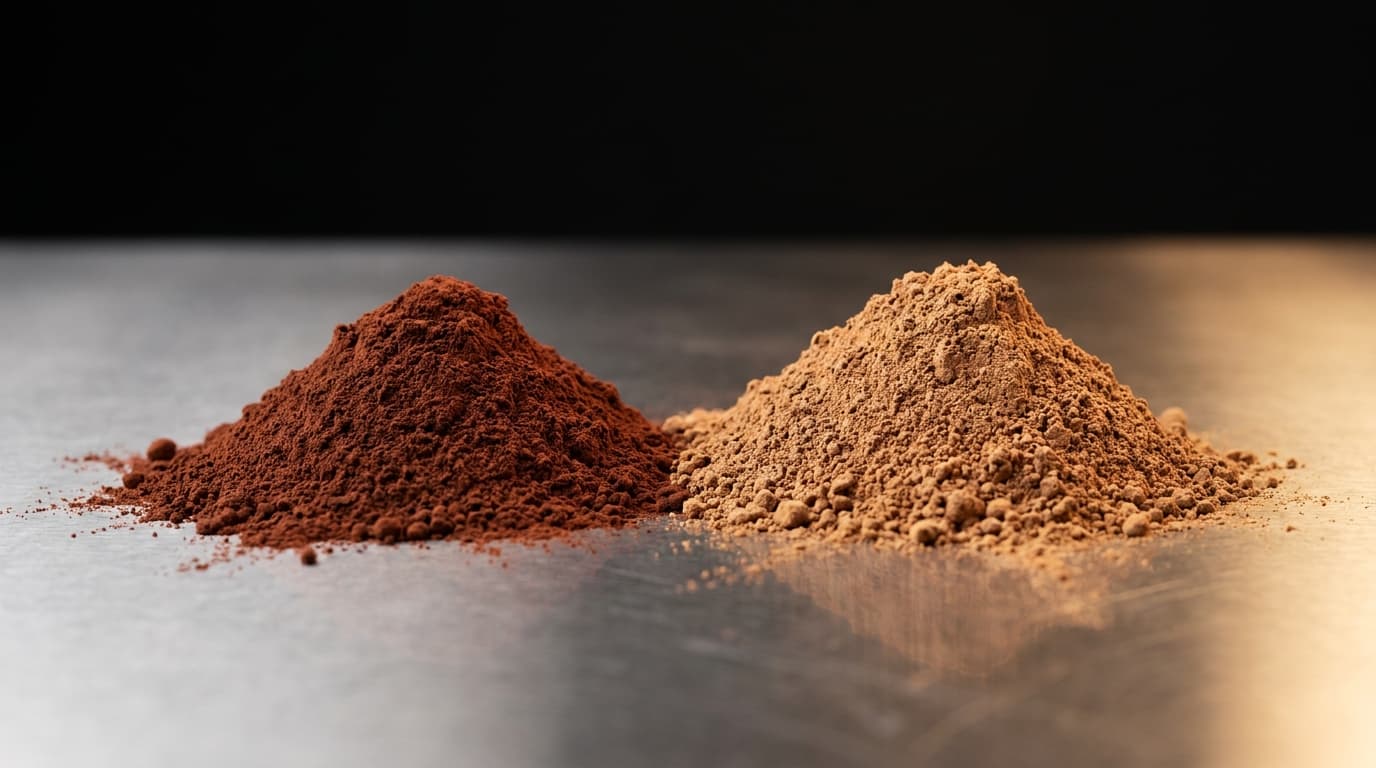
Table of Contents
- 01The Chemistry of Baking Cocoa: Alkalization and pH Dynamics
- 02Fat Content Categories: 10-12% vs. 22-24% Baking Cocoa
- 03Impact on Industrial Baking Formulations: Leavening, Gluten, and Moisture
- 04Technical Specifications of Baking Cocoa: A Comparative Overview
- 05B2B Procurement of Baking Cocoa: Sourcing, Logistics, and Payment
- 06Conclusion
In the expansive and highly competitive realm of industrial baking, the selection of raw materials is paramount to achieving consistent product quality, desired sensory profiles, and optimal production efficiencies. Among these critical ingredients, baking cocoa stands as a cornerstone, influencing not only the flavor and color of countless baked goods but also their texture, leavening, and shelf stability. The nuanced characteristics of different cocoa powders—specifically their fat content, pH levels, and the impact of the alkalization process—are not merely academic distinctions; they are fundamental determinants that dictate their suitability for various applications within the industrial baking sector. Understanding these parameters is essential for food scientists, product developers, and procurement specialists aiming to formulate superior products and streamline their supply chains. This article delves into the technical intricacies of baking cocoa, exploring the chemical transformations involved in its processing, the functional implications of its varied specifications, and the strategic considerations for its B2B procurement, ensuring that industrial bakers can make informed decisions that elevate their product offerings.
The Chemistry of Baking Cocoa: Alkalization and pH Dynamics
The journey of cocoa from bean to baking ingredient involves a series of sophisticated processing steps, with alkalization, commonly known as Dutching, being one of the most significant. This process, developed in the Netherlands in the early 19th century (the origin of 'Dutch process' cocoa), fundamentally alters the chemical and physical properties of cocoa, yielding distinct categories of cocoa powder. Alkalization involves treating cocoa nibs or cocoa liquor with an alkaline solution, typically potassium carbonate, sodium carbonate, or ammonium hydroxide. The primary objective of this treatment is to reduce the natural acidity of cocoa, which typically has a pH ranging from 5.0 to 5.8. By introducing alkaline agents, the pH of the cocoa powder is elevated, often reaching levels between 7.0 and 8.0, or even higher for heavily alkalized varieties.
The chemical reactions occurring during alkalization are complex. The alkaline solution reacts with the naturally occurring organic acids in cocoa, such as citric acid, malic acid, and lactic acid, neutralizing them. This neutralization process has several profound effects. Firstly, it darkens the color of the cocoa powder, transforming its reddish-brown hue into a deeper, richer brown or even a black shade, depending on the degree of alkalization. This color change is highly desirable in many baking applications, particularly for products like "blackout" cakes or dark chocolate cookies, where visual appeal is a key selling point. Secondly, alkalization mellows the naturally sharp, acidic, and sometimes bitter flavor notes of natural cocoa, resulting in a smoother, less astringent, and often more chocolatey taste profile. This flavor modification is crucial for achieving balanced sensory characteristics in finished products, preventing an overly acidic or harsh taste that might be undesirable to consumers.
Beyond color and flavor, the pH modification also impacts the solubility and dispersibility of cocoa powder in liquids. Alkalized cocoa tends to disperse more readily in water and milk, forming a more stable suspension, which is beneficial for applications like chocolate milk, ice cream, and certain beverage mixes. This improved dispersibility is attributed to changes in the surface charge of cocoa particles, reducing their tendency to clump together. From a chemical perspective, the reduction in acidity also affects the interaction of cocoa with other ingredients in a baking matrix, particularly leavening agents. Natural cocoa, being acidic, reacts with alkaline leavening agents like baking soda (sodium bicarbonate) to produce carbon dioxide gas, which contributes to the rise and texture of baked goods. Alkalized cocoa, with its higher pH, has a diminished capacity to react with baking soda, necessitating adjustments in leavening systems, often requiring the use of baking powder (which contains its own acid component) or a combination of baking soda and an additional acid source.
The degree of alkalization is a critical specification for industrial buyers. Lightly alkalized cocoa might have a pH around 6.0-6.8, offering a subtle color change and flavor mellowing. Medium alkalized cocoa typically falls within the 7.0-7.5 pH range, providing a more pronounced darkening and smoother flavor. Heavily alkalized cocoa can reach pH levels of 7.6-8.0 or even higher, resulting in very dark, almost black powders with a significantly milder, less acidic flavor profile. The choice of alkalization level is dictated by the specific requirements of the final product, balancing desired color, flavor intensity, and interaction with other ingredients.
Fat Content Categories: 10-12% vs. 22-24% Baking Cocoa
Another fundamental characteristic differentiating baking cocoa powders is their fat content, primarily cocoa butter. This parameter is a direct result of the pressing process, where cocoa liquor is subjected to hydraulic pressure to separate cocoa butter from the cocoa solids. The remaining cocoa solids, after grinding, constitute cocoa powder. Industrial baking cocoa is typically categorized into two main fat content ranges: low-fat (10-12% cocoa butter) and high-fat (22-24% cocoa butter). These differences in fat content have significant implications for the functional properties of the cocoa powder and its performance in various industrial baking applications.
Low-fat baking cocoa, with its 10-12% cocoa butter content, is the more common variety used in a wide array of baked goods. The reduced fat content means that the powder is less prone to clumping and has a drier, more powdery texture. This characteristic makes it easier to incorporate into dry ingredient mixes and ensures better dispersion throughout batters and doughs. From a formulation perspective, the lower fat content contributes fewer calories and less saturated fat to the final product, which can be a consideration for health-conscious consumers or specific dietary product lines. However, the lower fat content also means that low-fat cocoa absorbs more moisture from the surrounding environment and from the product matrix. This increased hygroscopicity can affect the rheology of batters and doughs, potentially requiring adjustments in liquid content to maintain desired consistency. In terms of flavor, low-fat cocoa tends to deliver a more intense, concentrated cocoa flavor per unit weight, as the flavor compounds are less diluted by fat. This makes it an excellent choice for applications where a strong cocoa impact is desired without adding excessive richness from fat.
Conversely, high-fat baking cocoa, containing 22-24% cocoa butter, offers a distinct set of functional advantages. The higher cocoa butter content imparts a richer, smoother mouthfeel to finished products. Cocoa butter is a unique fat with a sharp melting point just below body temperature, contributing to the characteristic "melt-in-your-mouth" sensation associated with premium chocolate products. In baking, this translates to a more luxurious texture in cakes, brownies, and cookies. The increased fat content also reduces the hygroscopicity of the powder, making it less prone to absorbing moisture and potentially contributing to a moister final product. This can be particularly beneficial in formulations where moisture retention is critical for shelf life and sensory quality. Furthermore, the higher fat content can improve the lubricity of doughs and batters, aiding in processing on industrial lines and potentially reducing stickiness. While high-fat cocoa contributes more calories and fat, its ability to enhance texture and richness makes it a preferred choice for premium baked goods, gourmet desserts, and applications where a decadent chocolate experience is paramount. The flavor profile of high-fat cocoa is often perceived as mellower and more rounded, as the cocoa butter acts as a carrier for flavor compounds, releasing them gradually and contributing to a more sustained and complex taste.
The choice between 10-12% and 22-24% fat content is a critical decision for industrial bakers, directly impacting product texture, flavor intensity, moisture management, and nutritional profile. It requires careful consideration of the desired end-product characteristics and how the cocoa powder will interact with other ingredients in the formulation.
Impact on Industrial Baking Formulations: Leavening, Gluten, and Moisture
The precise specifications of baking cocoa—its pH and fat content—are not isolated characteristics but rather integral factors that profoundly influence the complex physicochemical interactions within industrial baking formulations. These interactions dictate everything from the rise and crumb structure of a cake to the chewiness of a cookie and the overall shelf stability of a product.
Leavening Agents and pH Interaction
The pH of baking cocoa is a primary determinant of its interaction with leavening agents. Natural cocoa, with its acidic pH (5.0-5.8), contains sufficient acidity to react with alkaline leavening agents like baking soda (sodium bicarbonate). This acid-base reaction produces carbon dioxide gas, which creates air pockets within the batter or dough, leading to expansion and a light, airy texture. In formulations using natural cocoa, baking soda is often the sole or primary leavening agent, with its quantity carefully balanced to neutralize the cocoa's acidity and provide adequate lift without imparting a soapy or metallic off-flavor. Overuse of baking soda with natural cocoa can lead to excessive browning and a bitter taste due to residual alkalinity.
Conversely, alkalized baking cocoa, with its neutral to alkaline pH (7.0-8.0+), has significantly reduced or no inherent acidity to react with baking soda. Therefore, when using alkalized cocoa, industrial formulators must rely on baking powder, which is a complete leavening system containing both an acid (e.g., cream of tartar, sodium aluminum sulfate, monocalcium phosphate) and an alkali (baking soda). The acid in baking powder reacts with the baking soda to produce carbon dioxide, independent of the cocoa's pH. Alternatively, an additional acid source, such as buttermilk, yogurt, or vinegar, might be incorporated into the formulation alongside baking soda to provide the necessary reaction for leavening. Failure to adjust the leavening system according to the cocoa's pH can result in dense, heavy baked goods with poor volume and an undesirable texture. The choice of leavening system also impacts the rate of gas production, which in turn affects the processing time and final product structure on high-speed industrial lines.
Gluten Structure and pH
The pH of the baking environment also plays a crucial role in the development and strength of the gluten network, which is formed when wheat flour proteins (glutenin and gliadin) hydrate and interact. Gluten provides elasticity and structure to baked goods, trapping the gases produced by leavening agents and contributing to crumb texture. In acidic environments, such as those created by natural cocoa, gluten development can be inhibited or weakened. The lower pH can interfere with the disulfide bonds and hydrogen bonds that form the gluten network, leading to a more tender, less elastic crumb. This can be desirable in products like tender cakes or muffins where a soft texture is preferred. However, in products requiring significant structure and chewiness, such as certain breads or robust cookies, excessive acidity might be detrimental.
Alkalized cocoa, by raising the overall pH of the batter or dough, creates a more neutral or slightly alkaline environment. This can promote stronger gluten development, leading to a more robust and elastic crumb structure. This effect is particularly relevant in formulations where a chewy texture or significant structural integrity is desired. Industrial bakers must carefully consider the interplay between cocoa pH, flour type, and mixing techniques to achieve the desired gluten development and final product texture. For instance, in a high-volume production setting, consistent gluten development is critical for uniform product quality and efficient processing.
Moisture Retention and Fat Content
The fat content of baking cocoa directly influences moisture retention and the overall mouthfeel of baked goods. Cocoa butter, being a fat, is hydrophobic and does not absorb water. Therefore, high-fat cocoa (22-24%) contributes to a richer, moister product by reducing the overall water absorption capacity of the cocoa solids themselves. The cocoa butter also acts as a barrier, slowing down moisture migration and evaporation during baking and storage, which can extend the shelf life of products by preventing them from drying out too quickly. This is particularly advantageous for industrial products that require a longer shelf life or are distributed over extended periods.
Conversely, low-fat cocoa (10-12%), with its higher proportion of non-fat cocoa solids, is more hygroscopic. These solids readily absorb moisture from the surrounding environment and from the product matrix. While this can lead to a more intense cocoa flavor, it can also result in a drier product if not properly compensated for in the formulation. Industrial bakers using low-fat cocoa may need to increase the liquid content in their recipes or incorporate other humectants (e.g., glycerin, sorbitol) to maintain desired moisture levels and prevent staling. The interaction of cocoa fat with other fats and emulsifiers in the formulation also impacts the overall texture and stability of the emulsion in batters, influencing aeration and crumb structure. The choice of fat content thus becomes a critical lever for managing moisture, texture, and shelf life in large-scale production.
Technical Specifications of Baking Cocoa: A Comparative Overview
Understanding the precise technical specifications of baking cocoa is paramount for industrial buyers. The following table provides a comparative overview of key parameters for natural and alkalized baking cocoa, highlighting the distinctions that inform their application in various industrial baking contexts.
| Parameter | Natural Baking Cocoa (Non-Alkalized) | Alkalized Baking Cocoa (Dutched) |
|---|---|---|
| pH Range | 5.0 - 5.8 (Acidic) | 7.0 - 8.0+ (Neutral to Alkaline) |
| Color | Lighter, reddish-brown hue | Darker, rich brown to black hue |
| Flavor Profile | Sharp, acidic, sometimes bitter, intense cocoa notes | Milder, smoother, less acidic, often described as "chocolatey" |
| Fat Content (Typical) | 10-12% (Low Fat) or 22-24% (High Fat) | 10-12% (Low Fat) or 22-24% (High Fat) |
| Leavening Interaction | Reacts with baking soda (sodium bicarbonate) to produce CO2. | Requires baking powder or additional acid with baking soda for leavening. |
| Gluten Development | Can inhibit gluten development, leading to a more tender crumb. | Promotes stronger gluten development, leading to a more robust crumb. |
| Moisture Absorption | Higher hygroscopicity, absorbs more moisture (especially low-fat). | Lower hygroscopicity, retains moisture better (especially high-fat). |
| Solubility/Dispersibility | Can be less soluble, may clump more readily. | Improved dispersibility and solubility in liquids. |
| Applications | Red velvet cakes, certain brownies, recipes requiring baking soda. | Dark chocolate cakes, cookies, ice cream, beverages, general baking. |
| Ash Content | Typically lower (e.g., 5-8%) | Typically higher due to alkaline salts (e.g., 8-14%) |
| Bulk Density | Varies by particle size, generally lower for natural. | Varies by particle size and processing, often higher for alkalized. |
| Particle Size | Typically 75-99% through 200 mesh (75 microns) | Typically 75-99% through 200 mesh (75 microns) |
B2B Procurement of Baking Cocoa: Sourcing, Logistics, and Payment
For industrial-scale operations, the procurement of baking cocoa transcends mere product selection; it encompasses a strategic approach to sourcing, robust logistical planning, and secure financial arrangements. Our commitment to quality and reliability is underpinned by a vertically integrated supply chain and transparent operational practices.
Sourcing and Quality Assurance
Our baking cocoa is derived from a premium blend of fine-flavor Nacional/Arriba and fine-flavor Balao cocoa beans, cultivated by a dedicated network of over 100 allied farms. These farms are primarily located in the fertile regions of Manabí, Esmeraldas, and Pichincha, Ecuador, areas renowned for their exceptional cocoa genetics and sustainable farming practices. We have cultivated strong, enduring relationships with these farmers over six years, fostering a collaborative environment that ensures consistent quality and ethical sourcing. Our direct engagement with farmers allows for rigorous quality control from the very initial stages of cultivation and post-harvest processing, including fermentation and drying, which are critical for flavor development.
The cocoa beans are then transported to our state-of-the-art processing facility located in Cayambe, Ecuador. Here, the beans undergo meticulous cleaning, roasting, winnowing, grinding into cocoa liquor, pressing to extract cocoa butter, and finally, pulverization into cocoa powder. Our facility adheres to stringent quality management systems, ensuring that every batch of baking cocoa meets precise specifications for fat content, pH, color, particle size, and microbiological purity. Our cocoa is conventional: we do not hold an active organic certification, and certifiable supply can only be explored case by case for contract volumes. Heavy metal testing, including for cadmium, is available upon request of the client and at their cost, providing an additional layer of assurance for specific market regulations.
Logistics and Export from the Port of Guayaquil
Efficient and reliable logistics are paramount in international B2B trade. All our baking cocoa products are exported FOB (Free On Board) from the Port of Guayaquil, Ecuador. Guayaquil is Ecuador's largest and busiest port, offering extensive connectivity to major global shipping routes, which ensures timely and cost-effective delivery to destinations worldwide. Our experienced logistics team manages all aspects of the export process up to the point of loading onto the vessel, including customs clearance, documentation, and coordination with shipping lines. We provide comprehensive support to ensure a smooth transition of goods from our facility to the client's designated port of entry. Clients are responsible for arranging and covering the costs of ocean freight, insurance, and import duties from the Port of Guayaquil onwards. We work closely with clients to provide necessary shipping information and facilitate the process, ensuring transparency and efficiency.
Payment Terms
To establish a secure and mutually beneficial trading relationship, our standard payment terms for B2B transactions are structured as follows: a 60% advance payment is required upon order confirmation. This initial payment secures the production slot and covers initial raw material procurement and processing costs. The remaining 40% balance is due against the presentation of FOB shipping documents. This means that once the goods have been loaded onto the vessel at the Port of Guayaquil and the Bill of Lading (or equivalent shipping document) is issued, confirming the shipment, the final payment becomes due. This payment structure provides security for both parties: the buyer is assured that the goods have been shipped before making the final payment, and the seller is protected by the initial advance and the assurance of payment upon shipment confirmation. We are open to discussing alternative payment structures for long-term strategic partnerships, subject to credit assessment and mutual agreement.
Our commitment extends beyond product delivery; we aim to be a reliable partner in your supply chain, offering consistent quality, transparent processes, and flexible solutions to meet the dynamic demands of the industrial baking sector. Our ability to offer private label services further enhances our value proposition, allowing clients to brand our premium cocoa products as their own, maintaining their unique market identity.
Conclusion
The selection of baking cocoa is a critical decision for industrial bakers, profoundly impacting the sensory attributes, functional performance, and market appeal of their products. A deep understanding of the alkalization process, pH dynamics, and fat content categories is indispensable for optimizing formulations, managing processing efficiencies, and consistently delivering high-quality baked goods. From the nuanced interplay with leavening agents and gluten structure to the critical role in moisture retention and shelf life, each technical specification of baking cocoa offers distinct advantages that must be strategically leveraged.
Our commitment to providing premium baking cocoa is rooted in a vertically integrated supply chain, from our allied farms in Ecuador to our advanced processing facility in Cayambe. We offer a reliable source of high-quality cocoa, backed by stringent quality control, efficient FOB logistics from the Port of Guayaquil, and transparent payment terms designed for secure B2B transactions. By partnering with us, industrial bakers gain access to not only superior ingredients but also a dedicated partner focused on supporting their success in a competitive market.
For further inquiries regarding our baking cocoa products, technical specifications, or to discuss your specific industrial requirements, please do not hesitate to contact us. Our team of experts is ready to assist you in finding the optimal cocoa solution for your industrial baking needs.
Cacao Powder
Interested in sourcing this product directly from our factory in Cayambe, Pichincha?
Frequently Asked Questions About This Topic
What is the difference between cocoa and baking cocoa?
Baking cocoa typically refers to alkalized or Dutch-processed cocoa powder, which has a higher pH, darker color, and milder flavor. Natural cocoa powder is untreated, retains its natural acidity (pH 5.3 to 5.8), and has a sharper, fruitier flavor profile.
Is baking cocoa healthier than raw cocoa powder?
Both offer nutritional benefits, but raw or natural cocoa powder contains higher levels of temperature-sensitive antioxidants (flavanols) because it does not undergo the alkalization process, which breaks down some of these compounds.
Can you use normal cocoa instead of baking cocoa in industrial recipes?
It depends on the leavening agent. Natural cocoa requires an alkaline agent like baking soda to rise, while alkalized baking cocoa is neutral and relies on baking powder. Substituting them without adjusting leaveners will ruin the texture and rise.
Related articles
Raw Unsweetened Cocoa Powder vs. Alkalized: Technical Sourcing Gaps
A technical evaluation of raw unsweetened cocoa powder compared to alkalized variants, highlighting acidity, fat contents, and industrial baking behaviors.
Read ArticleCarob vs Cacao Powder: B2B Formulation Guide
Industrial B2B comparison between carob powder and cocoa powder: nutritional matrix, baking performance, rheology, and sensory profile.
Read ArticleCocoa Powder Fat Content Grades: B2B Guide 10-12% vs 20-22%
Industrial B2B guide on cocoa powder fat content grades (10-12% vs 20-22% vs defatted): hydraulic pressing, application matrix, and cost optimization.
Read Article