How to Buy Specialty Coffee Online: B2B Sourcing Guide
Sourcing specialty coffee online for B2B buyers represents a major shift in global agricultural trade. Roasters, wholesale distributors, and specialized cafes are increasingly bypassing traditional auction systems to connect directly with origin. This digital transition provides unprecedented access to farm-level data, allowing importers to meticulously evaluate harvest metrics before committing to large volumes. For businesses focused on quality, the internet serves as a bridge to remote producing regions.
The definition of specialty grade beans relies on a rigorous evaluation framework established by industry professionals. To qualify, a lot must achieve an SCA cupping score of 80 points or higher on a 100-point scale, demonstrating zero primary defects in a 350-gram sample. Digital platforms enable producers to share these certified scores instantly, giving B2B buyers confidence in the sensory profile and physical integrity of the agricultural product.
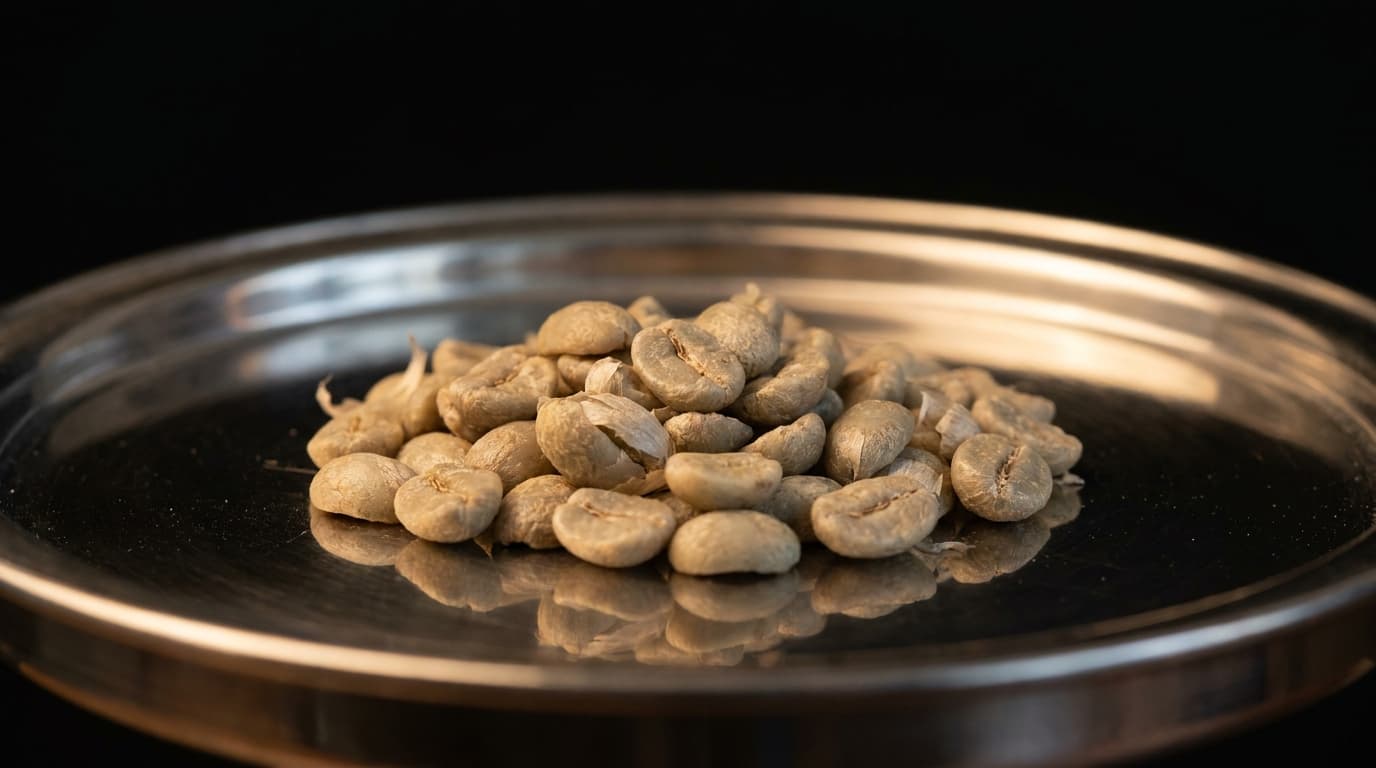
When deciding between green and roasted imports, B2B purchasers must consider their operational capabilities. Green unroasted beans offer maximum flexibility for commercial roasters who want to develop their own proprietary flavor profiles. Purchasing raw agricultural products also dramatically extends the usable shelf life, allowing for bulk ocean freight shipping without compromising the sensory characteristics of the final cup.
Roasted coffee, on the other hand, is highly perishable and begins to lose its aromatic compounds within weeks of processing. For B2B buyers without roasting infrastructure, purchasing pre-roasted lots requires expedited air freight to ensure freshness upon arrival. This logistical necessity significantly increases the landed cost per kilogram and requires tight inventory management to prevent staling before retail distribution.
Direct trade from origin countries like Ecuador offers distinct advantages for specialty buyers. Ecuador's unique geography, situated directly on the equator and intersected by the Andes mountains, creates an incredible diversity of microclimates. This topographical variety allows for year-round harvesting across different regions, providing buyers with a consistent supply of fresh crop arrivals featuring complex and varied cup profiles.
The economic viability of importing requires a careful analysis of Minimum Order Quantities (MOQ). While digital platforms make it easier to discover unique micro-lots, logistical constraints often dictate the minimum viable shipment size. Less than Container Load (LCL) shipping can be cost-prohibitive for very small volumes, making it essential for buyers to consolidate orders or negotiate pallet-sized shipments with their supply chain partners.
Requesting and evaluating green samples is a critical step in the digital sourcing workflow. Before finalizing a contract, B2B buyers typically receive 200 to 500 grams of the exact lot being offered. This physical representation allows the buyer's quality control team to perform independent moisture analysis, defect counting, and sample roasting to verify that the sensory attributes match the producer's digital documentation.
Traceability has evolved from a marketing buzzword into a strict compliance requirement for modern B2B transactions. Buyers demand comprehensive documentation that tracks the bean's journey from the specific cooperative or estate through the milling process and export logistics. Digital ledgers and detailed farm profiles ensure transparency, helping roasters communicate authentic origin stories to their retail consumers.
Altitude plays a fundamental role in bean density and flavor development. High-elevation cultivation slows the maturation process, resulting in harder, denser beans that develop complex sugars and organic acids. Buyers sourcing online must pay close attention to the stated altitude, typically measured in meters above sea level (MASL), as it heavily influences the optimal roasting approach and the resulting cup characteristics.
Processing methods drastically alter the final flavor profile and must be clearly specified in B2B contracts. Washed processing removes the mucilage before drying, typically resulting in a clean, bright cup with pronounced acidity. Natural processing dries the bean inside the intact cherry, yielding heavy body and intense fruit notes. Honey processing offers a middle ground, retaining varying amounts of mucilage for enhanced sweetness.
While organic certification is highly sought after, navigating the bureaucratic requirements can be challenging for smallholder farmers. Conventional sourcing remains the standard across much of the industry due to the high costs of maintaining certification. However, many producers utilize sustainable agricultural practices, and uncertified organic lots can often be supplied upon contractual agreement, offering a pragmatic solution for environmentally conscious buyers.
Buyers must also consider the presence of specific compounds in the agricultural product. For instance, you can learn more about the chemical composition of related commodities by reading our article on caffeine and theobromine analysis. Understanding these biochemical properties helps wholesale buyers make informed decisions about processing, blending, and marketing their final consumer goods.
Phytosanitary certificates are non-negotiable documents required for international agricultural trade. These government-issued certificates prove that the shipment has been inspected and is free from regulated pests and diseases. When purchasing online, buyers must ensure the exporter has the capability and legal authorization to generate these essential documents, without which the container will be rejected at the destination port.
Managing moisture content and water activity during transit is vital for preserving green bean quality. Industry standards dictate a moisture level between ten and twelve percent at the time of export. Specialized hermetic packaging, such as GrainPro bags or Ecotact liners, is highly recommended to protect the cargo from humidity fluctuations and potential mold growth during long ocean voyages.
For buyers seeking the highest tier of quality, microlots offer exceptional sensory experiences. These small, meticulously separated batches come from specific plots on a farm and are processed with extreme care. You can explore these premium offerings by reviewing our available micro-lots. These limited-availability lots are ideal for roasters looking to showcase rare varietals or experimental processing techniques.
The standard offering for many commercial roasters is a larger, well-balanced lot that provides a consistent baseline for espresso blends. This dependable inventory is crucial for maintaining flavor profiles across different seasons. Buyers looking to secure these foundational components can evaluate our specialty green coffee to find reliable, high-scoring options that form the backbone of a successful roasting operation.
Heavy metals testing, such as cadmium analysis, is a growing concern for agricultural imports in certain jurisdictions. While not automatically performed on every single batch due to the associated laboratory costs, this specific analytical testing is conducted at the client's cost and request. This pragmatic approach allows buyers to ensure regulatory compliance based on the specific requirements of their importing country.
Logistical planning and Incoterms define the financial and operational responsibilities of both parties. Free on Board (FOB) is a common arrangement where the seller handles all costs and risks until the goods are loaded onto the vessel at the origin port. Cost, Insurance, and Freight (CIF) shifts more responsibility to the seller, making the transaction smoother for buyers without dedicated import logistics teams.
Storage infrastructure at the destination facility is a critical consideration for B2B buyers. Green coffee requires a clean, climate-controlled environment free from strong odors, as the porous beans can easily absorb environmental contaminants. Implementing a strict first-in, first-out inventory system ensures that the raw materials are roasted before the delicate organic compounds begin to degrade and fade.
The evaluation of independent cupping scores provides an objective baseline, but calibration remains essential. Buyers should periodically calibrate their palates with their supplying partners to ensure that a score of eighty-five in Ecuador translates to the same sensory experience in the buyer's laboratory. This alignment prevents misunderstandings and builds long-term trust in the digital sourcing relationship.
Understanding the harvest cycles is imperative for securing the freshest crop. Unlike manufactured goods, coffee is a seasonal agricultural product. Purchasing immediately after the harvest and processing phases guarantees maximum vitality in the cup. Savvy B2B buyers use online platforms to track harvest progress and pre-book their required volumes before the most desirable lots are sold out.
Navigating customs clearance requires specialized knowledge or the assistance of a licensed broker. Even with perfect documentation, agricultural imports are subject to random inspections and regulatory holds. Buyers must factor potential delays into their supply chain planning and maintain buffer stock to prevent production interruptions in their roasting facilities.
The relationship between buyer and producer extends beyond the digital transaction. Providing feedback on the roasted product and sharing consumer responses helps the producer refine their agricultural and processing techniques for future harvests. This collaborative approach elevates the quality of the entire supply chain and fosters a mutually beneficial partnership.
As the digital infrastructure for agricultural trade matures, tools like blockchain and smart contracts are beginning to provide even greater security and transparency. These technologies offer immutable records of the transaction, ensuring that payments are distributed fairly and that the traceability data cannot be altered. B2B buyers who embrace these digital innovations will gain a competitive advantage in sourcing.
Ultimately, sourcing specialty coffee online requires a blend of technological proficiency and deep agricultural knowledge. By understanding the nuances of logistics, quality evaluation, and international trade, businesses can secure exceptional products directly from origin. To begin your sourcing journey and discuss your specific volume requirements, we invite you to contact us and connect with our export team.
Roasters comparing green coffee bean suppliers usually start from price per kilo and end up somewhere else entirely, because the variables that decide cost in a roastery sit downstream of the invoice: moisture at arrival, screen consistency, defect count and how reliably the same lot can be repeated. A supplier who publishes cupping scores without the underlying sample protocol has told you very little. Ask instead how the lot was stored between harvest and shipment, whether the sample you approved comes from the same lot you will receive, and what the replacement policy is when a container arrives outside specification.
The same requirement appears in briefs as raw coffee beans wholesale or, more precisely, unroasted coffee beans wholesale; both describe green coffee bought in bulk for a buyer who roasts in-house. Wholesale terms change the conversation from grade to logistics: minimum order quantity, packaging (60 kg jute with GrainPro liner versus vacuum-sealed 20 kg boxes for air freight), Incoterm and payment schedule. For a first purchase of bulk raw coffee beans, order a volume you can turn over in one roasting season rather than the volume that unlocks the best per-kilo price, because green coffee ages and a bargain that sits eighteen months in a warehouse is not a bargain.
A first order phrased as bulk unroasted coffee beans usually needs a volume conversation before a price one. Green coffee is sold in standard export units, most commonly the 60 kg bag, and the economics change sharply between a partial pallet and a full container. Buy what you can roast within one crop cycle: green coffee held too long in ambient warehousing loses aromatic intensity and drifts towards a flat, papery cup, which converts a favourable per-kilo price into a quality problem eighteen months later.
Two closely related searches, green coffee bean wholesale suppliers and wholesale green coffee suppliers, carry the highest commercial intent in this category and also the widest spread in what is actually being offered. At one end are import warehouses reselling spot lots they did not contract; at the other, exporters shipping against a specific farm agreement. The distinction shows up in three questions worth asking before any sample is requested: can the supplier name the farm or mill and the harvest window, will the offer sample come from the lot that ships or from a reference batch, and what happens contractually if the arrival cupping score falls below the offer score. A wholesaler who answers all three in writing is worth a higher per-kilo price than one who answers none.
Offers advertised as bulk green coffee beans for sale should be read alongside two questions the listing rarely answers: how long the lot has been in warehouse, and under what conditions. Green coffee is stable but not inert; ambient humidity and temperature swings flatten acidity and push the cup towards a papery, woody profile long before any visible defect appears. Ask for the harvest year and the date the lot entered storage, and treat a heavily discounted offer of an older crop as exactly that, a discount against a known quality decline rather than a bargain.
Enquiries phrased buy raw coffee beans wholesale or best green coffee bean suppliers arrive from two very different buyers: an established roastery adding an origin, and a startup buying green for the first time. The questions differ accordingly. An established buyer wants lot separation, arrival moisture and the ability to contract the same farm next harvest; a first-time buyer usually needs to hear that green coffee is not a finished product, that it requires roasting equipment and a profile, and that the smallest sensible purchase is what can be roasted and sold within one season. Requests for organic green coffee beans bulk add the usual documentary layer: the certificate has to cover the mill and the exporter for the lot, not just the farm.
A request to buy green coffee beans in bulk should start with a storage plan rather than a price target. Bulk means bags on a pallet, and the two variables that decide whether the purchase holds its value are relative humidity in your warehouse and how quickly you turn the volume over. Buyers without climate-controlled storage are usually better served by more frequent, smaller shipments, even at a worse per-kilo price, because the alternative is paying for quality that degrades before it reaches the roaster.
When you are ready to move from samples to volume, our page on wholesale green coffee sets out bag and container formats, the minimum order and the documents that travel with each lot.
For the full roaster workflow — sample roasting protocol, the pre-shipment sample, arrival checks and profiling dense high-grown lots — see our guide to green coffee sourcing for roasters.
Specialty Green Coffee
Interested in sourcing this product directly from our factory in Cayambe, Pichincha?
Frequently Asked Questions About This Topic
How to buy specialty coffee online B2B?
To buy specialty coffee online for B2B purposes, start by evaluating the producer's digital documentation, including SCA cupping scores and traceability data. Request physical green samples to independently verify the sensory profile in your own laboratory. Once quality is confirmed, negotiate the Minimum Order Quantity (MOQ) and determine the appropriate Incoterms for international shipping and logistics.
What is the difference between green and roasted specialty coffee for B2B import?
The primary difference lies in shelf life and operational flexibility. Green unroasted coffee offers an extended shelf life of several months, making it ideal for bulk ocean freight and allowing roasters to create custom profiles. Roasted coffee is highly perishable, begins losing flavor quickly, and typically requires expensive expedited air freight to ensure it reaches the consumer while still fresh.
What should be verified when buying specialty coffee online?
When sourcing online, B2B buyers must rigorously verify the authenticity of the stated SCA cupping score, detailed farm traceability, and the physical green sample. Additionally, you should review the phytosanitary certificates, processing methods, and ensure clear communication regarding logistics, moisture content management, and any specific requirements such as conventional sourcing or uncertified organic lots supplied upon agreement.
Related articles
What is Specialty Coffee? Understanding the SCA Standards & Quality Ladder
An in-depth look at what defines specialty coffee under Specialty Coffee Association (SCA) criteria, including sensory scoring, defects, and grading.
Read ArticleGreen Coffee Sourcing for Roasters: From Sample Roast to Container
How a roaster sources green coffee from origin: reading offer sheets, SCA sample roasting, the pre-shipment sample, arrival checks, roasting dense high-grown Ecuadorian lots and buying as a small-batch roaster.
Read ArticleWhat 'Organic' Really Means in B2B Cacao Sourcing & Cocoa Butter
An in-depth analysis of USDA NOP and EU organic cacao standards, chain of custody, uncertified smallholder lots, residue analysis, and cocoa butter grades.
Read Article