Cocoa Liqueur vs Cocoa Liquor: B2B Disambiguation Guide
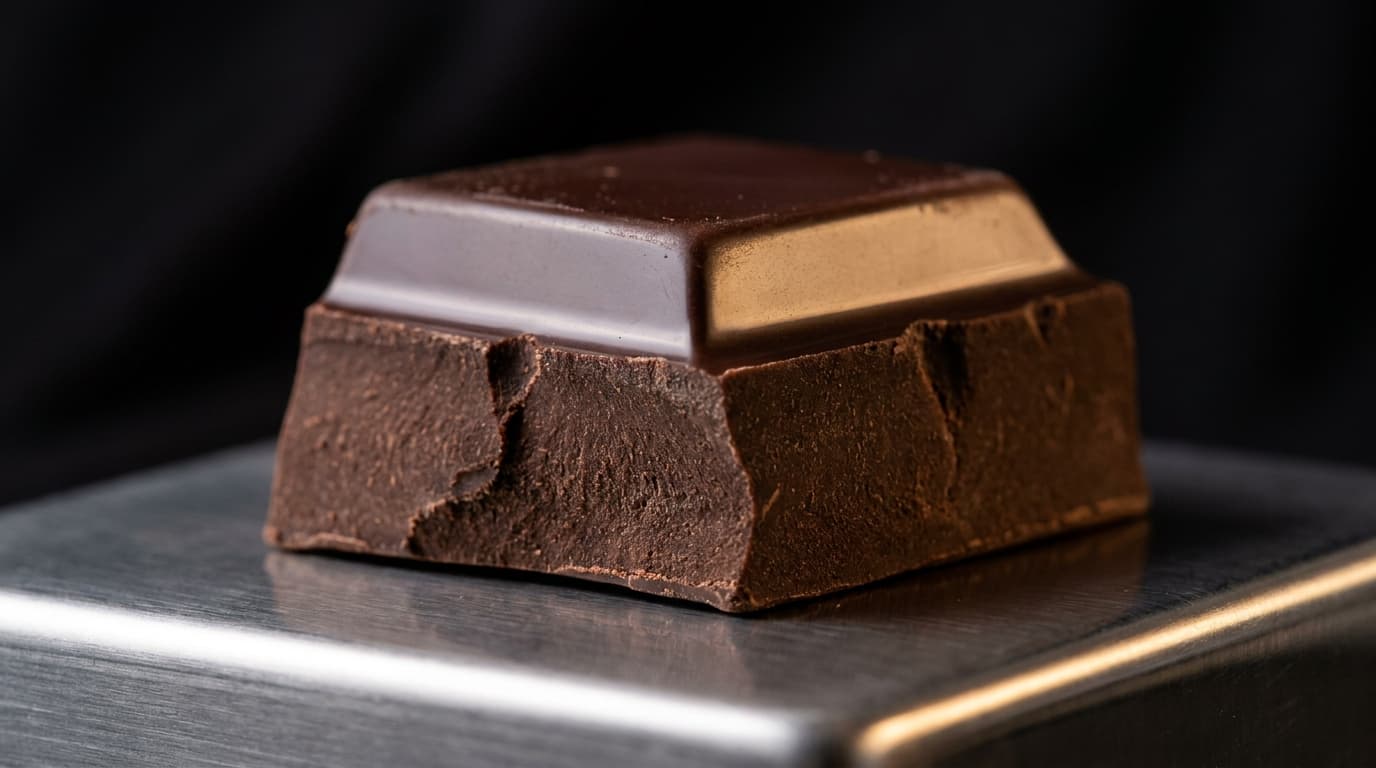
Table of Contents
- 01What is Cocoa Liquor? A Deep Dive into Cacao Mass
- 02What is Chocolate Liqueur? The Alcoholic Alternative
- 03Comprehensive Comparative Analysis
- 04Industrial and B2B Applications
- 05Sourcing Protocols and Quality Assurance
- 06Conclusion and Direct Contact
- 07The Rheology and Viscosity of Cocoa Liquor
- 08Thermal Processing and Stabilization
- 09The Economics of the Cacao Value Chain
- 10Final Manufacturing Considerations
- 11Storage and Transport Infrastructure
- 12Sensory and Flavor Profiling
The global chocolate and beverage industries frequently encounter a significant linguistic and technical hurdle: the disambiguation between cocoa liquor and cocoa liqueur. Despite their phonetic similarity in English, these two products serve entirely different functions, undergo vastly different manufacturing processes, and belong to completely distinct regulatory categories. Understanding this fundamental dichotomy is crucial for procurement professionals, supply chain managers, and product developers seeking to source premium ingredients for their respective manufacturing operations.
On one side of the spectrum, we find the foundational ingredient of all authentic chocolate manufacturing. On the other side, we discover a niche, sweetened, and alcoholic beverage that capitalizes on the aromatic profile of cacao to create an entirely different consumer experience. This comprehensive technical guide will dissect both materials, analyzing their botanical origins, processing methodologies, chemical compositions, and specific B2B applications, ensuring absolute clarity for industrial purchasing decisions.
What is Cocoa Liquor? A Deep Dive into Cacao Mass
Cocoa liquor, interchangeably referred to as cacao mass, cocoa paste, or unsweetened chocolate, represents the pure, unaltered core of the cacao bean. It is the solid or semi-solid state of cacao nibs that have been finely ground until the cellular structures break down, releasing the naturally occurring fats. It contains absolutely zero alcohol, making the term slightly misleading to the uninitiated observer. This raw material forms the absolute baseline for all chocolate manufacturing globally.
The journey of this ingredient begins at the farm level, where raw beans are carefully harvested, fermented, and sun-dried. Once the beans arrive at processing facilities, they are subjected to rigorous cleaning and precise roasting protocols. The roasting process is critical as it initiates the Maillard reaction, developing the complex flavor precursors that define the final aromatic profile. After roasting, the beans are cracked and winnowed to separate the fibrous husks from the valuable cotyledons, yielding what the industry knows as nibs.
These nibs are then fed into heavy-duty grinding machinery, often utilizing stone melangeurs or multi-stage roll refiners. The intense friction and heat generated during this mechanical process melt the naturally embedded fats. The resulting substance is a dense, dark, and highly viscous fluid known as cocoa liquor. When maintained above 35 degrees Celsius, it flows seamlessly. Upon cooling, it solidifies into hard, stable blocks or easily measurable drops, ready for subsequent industrial applications.
From a chemical standpoint, this paste is a perfectly balanced emulsion consisting of roughly half fat and half dry solids. The exact ratio fluctuates slightly depending on the specific botanical variety and geographical origin of the harvest, but generally hovers around the fifty percent mark. This naturally balanced composition provides a robust foundation for manufacturers who can later press it to extract the butter or pulverize the remaining cake to create powders.
What is Chocolate Liqueur? The Alcoholic Alternative
In stark contrast, chocolate liqueur is an alcoholic beverage characterized by its significant ethanol content, substantial sugar additions, and liquid viscosity at room temperature. It is specifically formulated for direct consumer consumption or as a mixing component in the hospitality and mixology sectors. Unlike its non-alcoholic namesake, this product is fundamentally a spirit-based concoction that utilizes cacao merely as a flavoring agent rather than its primary structural component.
The manufacturing process for this beverage diverges completely from traditional chocolate making. Distilleries and beverage producers typically start with a neutral grain spirit, vodka, or aged rum as the base solvent. They then introduce various forms of cacao—ranging from roasted nibs and powders to liquid extracts—into the alcohol to initiate a maceration or infusion process. Over several weeks, the alcohol acts as a powerful solvent, extracting the aromatic compounds, essential oils, and flavor molecules from the botanicals.
Following the extraction phase, the infused spirit is usually filtered to achieve a clear or semi-opaque visual presentation. Subsequently, manufacturers introduce large quantities of sweeteners, primarily sucrose syrups, to counteract the natural bitterness of the raw materials and the harshness of the ethanol. Additional flavoring agents like vanilla extract, caramel coloring, and sometimes dairy components are blended into the mixture, culminating in a viscous, sweet, and highly aromatic alcoholic beverage.
Regulatory frameworks strictly govern the production and labeling of these spirits. To legally qualify as a liqueur in most international jurisdictions, the product must contain a minimum percentage of added sugar—often exceeding 100 grams per liter—and maintain a specific alcohol by volume (ABV) threshold, typically ranging between fifteen and thirty percent. These rigid legal definitions guarantee that the product remains firmly in the alcoholic beverage category, entirely separate from confectionery ingredients.
Comprehensive Comparative Analysis
To further elucidate the fundamental differences between these two commodities, we have compiled a detailed comparative analysis focusing on their defining characteristics, physical properties, and standard industrial usage parameters. This juxtaposition clearly illustrates why these terms cannot be used interchangeably in professional supply chain environments.
| Attribute | Cocoa Liquor (Cacao Mass) | Cocoa Liqueur (Alcoholic Beverage) |
|---|---|---|
| Alcohol Content (ABV) | 0.0% (Completely Non-Alcoholic) | Typically 15% to 30% ABV |
| Primary Ingredient Base | 100% Ground Cacao Nibs | Neutral Spirits, Rum, or Vodka |
| Sugar Content | Naturally occurring traces only (0% added) | High volume of added sucrose syrups |
| Physical State at 20°C | Solid blocks, chunks, or hardened drops | Free-flowing liquid |
| Fat Content | Approximately 50-55% natural butter | Negligible, unless formulated as a cream emulsion |
| Industrial Application | Base for chocolate manufacturing, baking | Retail consumption, mixology, gastronomy |
| Flavor Profile | Intensely bitter, rich, robust, earthy | Sweet, aromatic, highly modified flavor |
| Regulatory Category | Food Ingredient / Confectionery Raw Material | Alcoholic Spirit / Controlled Beverage |
Industrial and B2B Applications
In the realm of B2B manufacturing, the applications for pure cacao mass are virtually limitless. It serves as the primary building block for creating dark, milk, and white chocolates. Confectioners blend this foundational paste with additional fats, sweeteners, and milk powders to achieve specific viscosity and flavor targets. The quality of this initial raw material directly dictates the sensory excellence of the final retail product, making sourcing decisions absolutely critical for premium brands.
Beyond traditional chocolate bars, the baking industry relies heavily on this ingredient for producing high-end brownies, cakes, and pastries. By utilizing cocoa liquor, industrial bakers ensure a deep, robust flavor profile that cannot be replicated by using powders alone. The naturally embedded fats provide moisture and structural integrity to baked goods, elevating the mouthfeel and overall consumer experience of the finished dessert.
Furthermore, this versatile material acts as the cornerstone for manufacturing ceremonial grade products. When sourced with intention and processed with minimal intervention, it transforms into ceremonial cacao, a product highly sought after by wellness practitioners and holistic communities. The minimal processing preserves the complex array of beneficial compounds, offering a unique product category that bridges the gap between nutrition and traditional rituals.
It is also essential to note the nutritional density of this unaltered ingredient. It contains significant concentrations of valuable alkaloids. To understand the physiological impacts of these compounds, procurement teams can review detailed analyses such as our guide on theobromine guide. Understanding these biochemical properties allows brands to accurately position their products in the increasingly competitive functional foods market without resorting to unsubstantiated medical claims.
Sourcing Protocols and Quality Assurance
When industrial buyers procure bulk quantities of these raw materials, strict quality assurance protocols must be enforced. Standard sourcing relies on conventional agriculture, ensuring consistent supply chains and predictable pricing structures. While certified labels are not the default, uncertified organic lots cultivated using sustainable methodologies are frequently available and can be secured through specific contractual agreements, providing flexibility for brands with distinct marketing requirements.
Testing and compliance represent another vital layer of the procurement process. The evaluation of heavy metals, including elements like cadmium and lead, is a common concern in the global market. While baseline testing ensures safety, specialized batch-specific analysis for heavy metal concentrations is executed upon direct client request and at their expense. This tailored approach allows manufacturers to meet regional regulatory demands, such as those in the European Union or California, without universally inflating the baseline cost of the commodity.
Ultimately, the selection of premium raw materials requires a partnership with experienced suppliers who understand the intricate nuances of the global supply chain. Whether a manufacturer requires vast tonnages for a multinational confectionery operation or specific, tailored profiles for specialized artisan production, direct communication with the source is paramount. We encourage product developers and purchasing managers to initiate these critical conversations directly to ensure their exact specifications are met.
Conclusion and Direct Contact
The distinction between a foundational food ingredient and a sweetened alcoholic spirit is vast, yet the linguistic overlap continues to cause supply chain confusion. By clearly delineating the properties, processing methods, and industrial applications of these two distinct products, manufacturers can navigate their procurement strategies with confidence and precision. Securing the highest quality raw materials is the first and most crucial step in delivering exceptional products to the end consumer.
For customized B2B sourcing solutions, detailed specification sheets, or to discuss contractual agreements for conventional or uncertified organic lots, we invite you to connect with our specialized procurement team. Please visit our contact us page to initiate a dialogue regarding your specific industrial requirements and manufacturing timelines.
The Rheology and Viscosity of Cocoa Liquor
Understanding the rheological behavior of cacao mass is an imperative facet of industrial food engineering. Viscosity, yield value, and particle size distribution are the three pillars that determine how the mass performs inside complex manufacturing equipment. When the nibs are refined, the sheer forces tear apart the cellular walls, completely releasing the encapsulated lipids. This fat release lubricates the solid particles, transitioning the product from a solid state into a non-Newtonian fluid. The degree of this transformation directly affects the pumping efficiency and flow rates through heated pipeline systems in large-scale factories.
Particle size, typically measured in micrometers using laser diffraction technologies, must be meticulously controlled. If the particles remain too large, typically above thirty microns, the resulting chocolate will present an undesirable, gritty mouthfeel to the consumer. Conversely, excessive grinding wastes valuable energy and can lead to a phenomenon known as over-refining, where the surface area of the particles becomes so vast that the available cocoa butter is insufficient to lubricate them effectively, ironically causing a sharp increase in viscosity.
Thermal Processing and Stabilization
Thermal management is another critical phase in handling this commodity. As the liquid mass exits the grinding mills, it is subjected to high temperatures that help volatilize and eliminate unwanted acidic compounds, particularly acetic acid, which develops during the fermentation stage. This process, often integrated with conching, mellows the flavor profile, reducing harsh astringency while simultaneously rounding out the deep, chocolatey notes that premium manufacturers demand.
Once the desired flavor profile is achieved, the mass must be stabilized for transport. The liquid is carefully tempered and molded into standard commercial formats, such as twenty-five-kilogram blocks or smaller, user-friendly drops. The cooling tunnels must precisely control the temperature gradient to ensure the cocoa butter crystallizes into its stable Beta V form. Proper crystallization prevents fat bloom and ensures the product maintains its structural integrity and shelf life during extensive maritime shipping.
The Economics of the Cacao Value Chain
From an economic perspective, the distinction between the industrial paste and the alcoholic beverage highlights the divergent value chains. The pure mass represents the commoditized backbone of a multi-billion dollar global confectionery sector. Its price is directly indexed to the fluctuating futures markets in London and New York, driven by macroeconomic factors, climate patterns in West Africa and South America, and global supply-demand paradigms. Procurement managers must navigate these volatile markets with sophisticated hedging strategies to secure competitive pricing for their manufacturing operations.
In contrast, the alcoholic liqueur operates within the high-margin, value-added spirits sector. Its pricing is less sensitive to the raw commodity market, as the cost of the cacao base is often eclipsed by the expenses associated with distillation, packaging, marketing, and the heavy taxation levied on alcoholic beverages across different jurisdictions. The target demographic also shifts dramatically, moving from B2B industrial buyers to end-consumers exploring the mixology and adult beverage landscape.
Final Manufacturing Considerations
For product developers aiming to bridge these two worlds, understanding the compatibility of ingredients is essential. Incorporating the pure, fatty paste directly into water-based or low-proof alcoholic solutions can lead to severe emulsion instability and fat separation. Therefore, beverage manufacturers often rely on defatted powders or specialized, highly concentrated liquid extracts to achieve the desired flavor without the structural complications introduced by the heavy butter content.
By mastering these fundamental differences in chemical structure, rheology, and market dynamics, industry professionals can optimize their formulations, streamline their supply chains, and ultimately deliver superior, well-positioned products to their respective markets. Whether producing a world-class dark chocolate bar or a sophisticated dessert cocktail, the journey begins with an uncompromising understanding of the raw materials at hand.
Storage and Transport Infrastructure
Storing bulk quantities of cacao mass requires a robust industrial infrastructure. Unlike alcoholic beverages, which are inherently preserved by their ethanol content and remain liquid at ambient temperatures, the pure paste must be handled with precise thermal consideration. When shipped in liquid bulk form, it requires specialized, jacketed tanker trucks or heated ISO tanks equipped with intricate circulation systems to prevent solidification. The maintaining temperature usually hovers around forty-five to fifty degrees Celsius. Any failure in the heating infrastructure during transit can result in the entire payload solidifying inside the vessel, an operational disaster that incurs exorbitant reheating and extraction costs.
Alternatively, for smaller operations or international maritime freight, the mass is cast into solid formats. Twenty-five kilogram cardboard cartons lined with high-density polyethylene bags are the industry standard. Once solidified, the product exhibits remarkable stability, boasting a shelf life that frequently exceeds twenty-four months when stored in cool, dry conditions away from direct sunlight and potent odors. The high concentration of natural antioxidants inherent in the raw material acts as a powerful preservative, preventing the rancidification of the fats. In stark contrast, liqueurs are generally stored in standard glass or PET bottling formats, requiring minimal temperature control beyond avoiding extreme freezing or direct heat exposure.
Sensory and Flavor Profiling
A side-by-side sensory evaluation of these two products reveals an astronomical divergence in flavor architecture. Unsweetened chocolate paste delivers an incredibly intense, almost overwhelming bitterness, underpinned by complex earthy, woody, and sometimes fruity or floral notes, depending on the specific botanical origin. The astringency is high, driven by the presence of natural tannins and polyphenols. It is not designed to be palatable in its raw state; rather, it is a concentrated flavor foundation waiting to be unlocked by sugar and fat in subsequent processing.
Liqueur, conversely, offers an immediately accessible, sweet, and highly aromatic experience. The sharp ethanol bite is rapidly mellowed by the massive sugar load, resulting in a smooth, viscous mouthfeel. The cacao flavor is typically present as a secondary, integrated note rather than the dominant force, often complemented by vanilla, caramel, or subtle spice undertones. The objective here is immediate hedonistic pleasure and mixability, catering to a completely different organoleptic requirement than the raw industrial paste.
Some English-language sourcing documents still label our industrial paste \"cacao liquor\" rather than \"cocoa liquor,\" a spelling holdover from before the trade standardized on \"cocoa\" for the processed ingredient and reserved \"cacao\" for the raw bean. Buyers should not read anything into which spelling a supplier uses; what matters on the spec sheet is the same regardless of spelling: fat percentage, particle size and whether the batch is intended as chocolate liquor in chocolate formulation or as the base for pressing into butter and powder.
A search for cocoa with alcohol almost always means the alcoholic liqueur described above, not our industrial paste; we mention the distinction here because the two pages rank for overlapping queries, and a buyer landing on the wrong one wastes a call confirming we do not sell a beverage.
Buyers asking what is in chocolate liquor are often surprised by how short the answer is: ground cocoa nib and nothing else. The cocoa butter naturally present in the bean, roughly half the mass, is what makes the ground nib flow as a liquid above its melting point; the remaining fraction is cocoa solids. There is no added sugar, no milk, no lecithin and no alcohol, which is precisely why the name misleads outside the trade. Anything beyond those two naturally occurring fractions belongs to a different specification, and if a supplier lists additives on a chocolate liquor datasheet, the product is a compound or a couverture, not liquor.
The consumer-side searches that overlap with this page are worth naming so buyers land in the right place: hot chocolate with alcohol, hot cocoa with alcohol, alcohol and hot chocolate, hot cocoa and alcohol and hot cocoa liquor all describe a spiked beverage, usually hot chocolate combined with a spirit or liqueur. None of them refer to the industrial paste that is the subject of this article. We supply the cocoa mass used to make the chocolate base of such a drink; the alcoholic component and the finished beverage belong to the buyer's formulation.
Cacao Liquor
Interested in sourcing this product directly from our factory in Cayambe, Pichincha?
Frequently Asked Questions About This Topic
What is cocoa liquor?
Cocoa liquor is a non-alcoholic, pure cacao mass created by finely grinding roasted cacao nibs until they become a smooth, fluid paste. It consists of roughly 50% natural fat and 50% dry solids, serving as the foundational ingredient for all industrial chocolate manufacturing.
Is cream of cacao liqueur the same as chocolate liqueur?
No, they are distinct products within the alcoholic beverage category. Cream of cacao (crème de cacao) is typically a sweeter, clearer syrup-like liqueur with a pronounced vanilla and cacao flavor, whereas standard chocolate liqueur is often darker, thicker, and may incorporate actual cream or dairy components for a richer texture.
What is another name for cocoa liquor?
In the food manufacturing and B2B confectionery industries, it is frequently referred to as cacao mass, cocoa paste, unsweetened chocolate, or baking chocolate. These terms all describe the exact same non-alcoholic, 100% pure ground cacao product.
Related articles
Does Cacao Have Caffeine? The Truth About Stimulants in Cocoa Beans
A deep B2B analysis of the actual caffeine content in cacao vs. theobromine, featuring exact serving comparisons and stimulant profiles.
Read ArticleCriollo Cacao vs. Nacional Fine-Flavor: A Guide to Premium Varieties
Explore the genetic differences, flavor profiles, and commercial realities of Criollo and Ecuadorian Nacional fine-flavor cacao varieties.
Read ArticleTheobromine Benefits: The Active Energy Compound in Cacao Nibs
An objective industrial exploration of theobromine benefits, its physiological mechanisms, safety thresholds, and occurrence in cacao products.
Read Article