Arriba Nacional vs. CCN-51 Cacao: Protecting Ecuador’s Heirloom Cacao Heritage
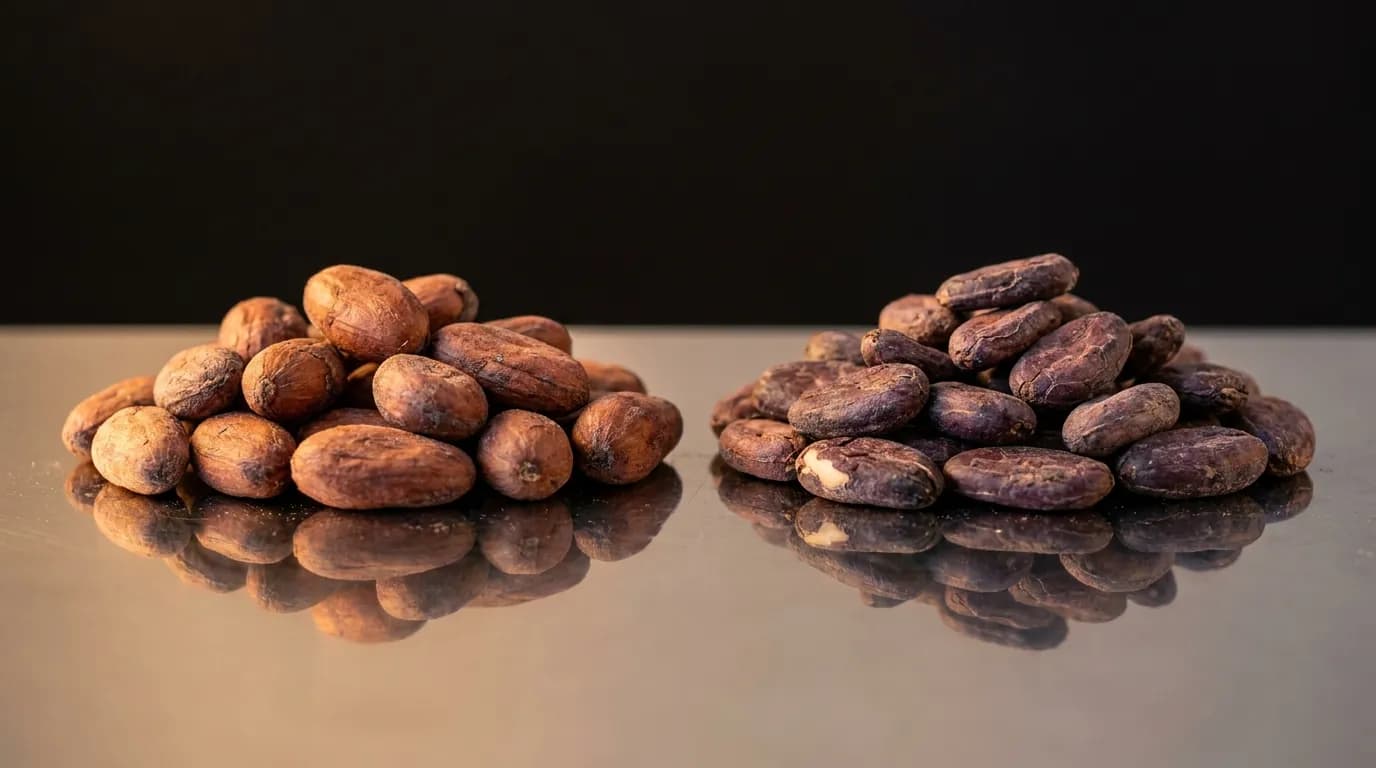
Table of Contents
- 011. Nacional Arriba: Botanical Origins and Genotype
- 022. CCN-51: The Industrial High-Yield Hybrid
- 033. Post-Harvest and Fermentation Requirements
- 044. Roasting and Milling Technologies
- 055. Agronomic Sourcing and Andrea Dávila's Protocol
- 066. B2B Sourcing Parameters and Logistics
- 07Comparison Table: Nacional Arriba vs. CCN-51
- 08Supplier Due Diligence for Craft Chocolate Sourcing
Ecuador is globally recognized as the premier source of fine flavor cacao, accounting for a significant share of the world's specialty chocolate raw materials. However, the country's agricultural landscape is divided between two very different varieties: the ancient heirloom Nacional Arriba and the modern hybrid clone CCN-51. For chocolatiers, distributors, and B2B buyers, understanding this distinction is crucial for brand positioning, sensory quality, and technical compliance. This guide examines the genetic, chemical, and post-harvest differences between these two varieties and explains why specialty chocolate makers choose heritage Nacional Arriba beans.
1. Nacional Arriba: Botanical Origins and Genotype
Nacional (often called Arriba) is a native cacao variety unique to Ecuador. Archaeological and genetic evidence indicates that this variety has been cultivated and consumed in the Amazon basin and coastal Ecuador for over 5,000 years. The Nacional bean is classified under the "Fine Flavor" (Fino de Aroma) category by the International Cocoa Organization (ICCO) due to its unique genetic makeup and complex sensory traits.
The sensory profile of Nacional Arriba is characterized by its high concentration of monoterpenes, specifically linalool, which imparts distinct floral notes such as jasmine, orange blossom, and rose. This is complemented by mid-notes of green banana, red fruits, and a mild, pleasant nuttiness. The variety is genetically predisposed to low bitterness and astringency, allowing the natural sweetness and complex floral aroma to dominate. However, these heritage trees are susceptible to diseases such as frosty pod rot (moniliasis) and witches' broom, and they produce lower yields per hectare than modern hybrid clones, making them a scarce and highly valued commodity in the craft chocolate market.
2. CCN-51: The Industrial High-Yield Hybrid
Developed in Ecuador in the 1960s by agronomist Homero Castro, CCN-51 (Colección Castro Naranjal) is a hybrid clone bred for resistance and high yield. Homero Castro crossbred IMC-67 (Iquitos Mixed Calabacillo), Scavina 6 (Ucayali river origin), and local Ecuadorian selections to create a clone that could withstand devastating fungal outbreaks and multiply production volumes.
Biochemically, CCN-51 is very different from Nacional Arriba. It lacks the delicate volatile terpenes that produce floral and fruity notes. Instead, CCN-51 has a high concentration of polyphenols and tannins, resulting in a highly acidic, astringent, and flat flavor profile with a distinct metallic aftertaste. Because of these harsh sensory characteristics, CCN-51 beans are classified as bulk or commodity cacao. They are used primarily in mass industrial chocolate production, cocoa butter extraction, and bulk cocoa powder manufacturing, where aggressive roasting, chemical alkalization, and heavy sugar addition are used to mask the bean's natural astringency.
3. Post-Harvest and Fermentation Requirements
The biochemical differences between the two varieties dictate distinct post-harvest protocols. Nacional Arriba beans require a delicate, micro-batch fermentation to develop their floral precursors without over-acidifying the seed. We ferment our Nacional Arriba beans for 5 to 6 days in wooden boxes made of local laurel or guayacán, allowing wild yeasts and acetic acid bacteria to slowly transform the mucilage and raise temperatures to 48°C. This controlled fermentation ensures the floral linalool compounds are preserved while reducing the low baseline bitterness.
In contrast, CCN-51 beans contain a high volume of sugars and acids in their pulp, requiring an intensive, often prolonged fermentation process (typically 6 to 8 days) in large industrial boxes. Because the clone has thick cotyledons, the fermentation must be aggressively managed to reduce the high initial concentrations of acetic and lactic acids. Even with optimal fermentation, CCN-51 cannot develop the complex secondary notes of Nacional Arriba, as it lacks the genetic pathways to synthesize the necessary volatile esters and monoterpenes. After fermentation, our Nacional Arriba beans are slowly sun-dried on raised wooden beds (camillas) to a stable 7.0% moisture, allowing volatile acids to escape gently, whereas industrial drying of CCN-51 often relies on mechanical hot-air dryers that trap acids inside the seed.
4. Roasting and Milling Technologies
In the processing factory, roasting and milling parameters must be adjusted based on the variety being processed. At El Dulce Origen, we process our Nacional Arriba beans at our specialized factory in Cayambe, Pichincha, using low-temperature roasting and stone-milling. Because Nacional Arriba has a delicate chemical profile, we apply a gentle, low-temperature flash roast (under 110°C, typically around 105°C for 15 to 20 minutes). This mild roast sterilizes the bean and loosens the husk while protecting the heat-sensitive theobromine, flavonoids, and volatile floral terpenes from thermal degradation.
Milling is conducted on traditional granite stone mills (melangeurs) at low speeds, keeping temperatures below 45°C. This stone-milling process preserves the natural 52-54% cocoa butter intact as a lipid carrier. On the other hand, CCN-51 requires high-temperature industrial roasting (often exceeding 135°C to 150°C) to vaporize the high concentration of volatile acids and reduce the metallic astringency. The subsequent milling is performed in high-speed industrial ball or pin mills, which generate temperatures above 75°C, causing lipid oxidation and destroying the delicate, healthy compounds of the bean.
5. Agronomic Sourcing and Andrea Dávila's Protocol
At El Dulce Origen, we source our cacao exclusively from heritage Nacional Arriba plantations through our network of approximately 100 allied family farms in Manabí, Esmeraldas, and Pichincha. We have maintained these relationships for ~6 years, paying fair trade premiums that incentivize farmers to preserve their ancestral Nacional trees rather than replacing them with high-yield CCN-51 clones.
Our growers follow a strict cultivation protocol developed by agronomist Andrea Dávila. This protocol prohibits synthetic agrochemicals, utilizing only organic composts, liquid bio-fertilizers (biol), and mountain microorganisms to nurture the soil. The cacao is cultivated in biodiversity-rich forest gardens (Chacras) alongside native fruit and timber trees. This diverse canopy provides shade, regulates humidity, and contributes to the complex sensory terroir of the beans. During harvest, traditional Kichwa songs are honored, and the beans are carefully extracted by hand to ensure physical integrity and cleanliness before fermentation.
6. B2B Sourcing Parameters and Logistics
For B2B buyers looking to purchase bulk Nacional Arriba cacao beans, we establish clear commercial terms. Our Minimum Order Quantity (MOQ) for raw cacao beans is 1 Full Container Load (FCL 20ft, approximately 14 metric tons), shipped in food-grade jute sacks from the Port of Guayaquil. To prevent moisture damage during ocean transit, we line the containers with heavy Kraft paper and use moisture-absorbing silica gel bags.
We provide B2B samples from 1 to 5 kg for laboratory analysis and sensory evaluation. These samples are dispatched within ~3 business days if stock is available in our warehouse, with international courier freight costs (DHL or FedEx) paid by the buyer. Our payment terms require a 50% advance deposit via SWIFT bank transfer upon contract signature, and the remaining 50% balance cleared against presentation of shipping documents (original Bill of Lading, DAE, and AGROCALIDAD Phytosanitary Certificate). We do not assert active USDA Organic or EU Organic certifications for this product, but we can arrange organic certification under contract for committed annual volumes. Heavy metal (cadmium) compliance is a priority for imports to the European Union (under EU Regulation 488/2014). To manage this, we can commission a lot-specific ICP-MS heavy metal analysis in an accredited laboratory on request and at the buyer's cost, delivering the certified analysis report before the shipment leaves Guayaquil. For more detailed specifications on EU regulations, please read our article on EU cadmium limits for cacao. To discuss your volume requirements, contact our trade team directly at contact page.
Comparison Table: Nacional Arriba vs. CCN-51
| Feature | Nacional Arriba (Heirloom) | CCN-51 (Hybrid Clone) |
|---|---|---|
| Genetic Category | Fine Flavor (Fino de Aroma) | Bulk / Commodity Cacao |
| Sensory Profile | Floral (jasmine), red fruits, mild nuttiness | Highly acidic, metallic astringency, flat |
| Active Compounds | High theobromine, preserved flavonoids | Low active compound density due to high roast |
| Roast Target | Low-temperature flash roast (< 110°C) | High-temperature roast (135°C - 150°C) |
| Milling Method | Slow granite stone-milling (< 45°C) | High-speed industrial pin or ball mills (> 75°C) |
| Yield & Resilience | Lower yield, disease susceptible | High yield, highly disease resistant |
Supplier Due Diligence for Craft Chocolate Sourcing
When selecting an Ecuadorian cacao supplier, craft chocolatiers must perform due diligence to verify genetic purity. Ask your prospective exporter: (1) if they perform genetic testing or maintain historical records of farm plantations, (2) the exact geographic origin at the farm level, and (3) their fermentation and drying protocols. At El Dulce Origen, we maintain direct trace protocols from the farm to the container, providing the transparency required to guarantee that only 100% Nacional Arriba beans reach your production line. This direct connection protects the genetic heritage of Ecuador while ensuring a consistent, high-end sensory experience for your customers.
Cacao Beans
Interested in sourcing this product directly from our factory in Cayambe, Pichincha?
Frequently Asked Questions About This Topic
Is CCN-51 considered fine flavor cacao?
No. International standards classify CCN-51 as bulk/commodity cacao due to its high acidity and lack of floral notes.
Which variety has a higher market price?
Nacional Arriba commands premium prices, whereas CCN-51 is traded at standard New York commodity prices.
Related articles
The Flavor Profile of Manabí Cacao: Understanding Coastal Terroir
Discover how the unique climate, soil, and post-harvest methods of Manabí shape the sensory characteristics of Nacional Arriba cacao.
Read ArticleEcuadorian Arriba Nacional Cacao: B2B Sourcing and Global Market Guide
An exhaustive guide to Arriba Nacional fine aroma cacao beans. Learn about historical origins, B2B pricing mechanisms, and the direct export process from Manabí.
Read ArticleDirect Sourcing for Bean-to-Bar Chocolate Makers: Transparency & Ethics
How direct-from-factory sourcing eliminates intermediate traders, ensures farm-level traceabilty, and yields superior cacao quality.
Read Article