The Flavor Profile of Manabí Cacao: Understanding Coastal Terroir
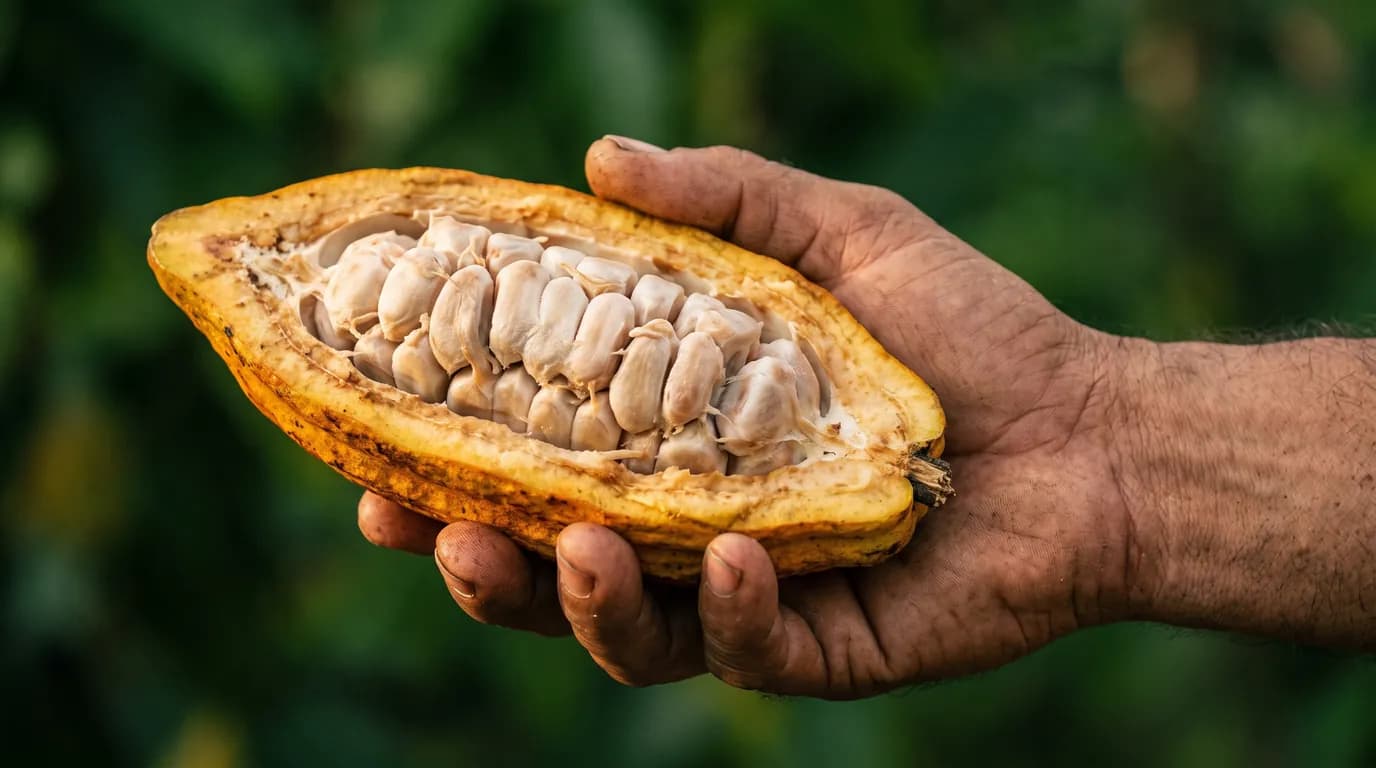
Table of Contents
- 011. The Coastal Terroir of Manabí: Climate and Geography
- 022. Soil Chemistry and the Influence of Ocean Breezes
- 033. Chemical and Sensory Profiling of Manabí Cacao
- 044. Post-Harvest Processing: Sourcing and Transport to Cayambe
- 055. Centralized Fermentation and Sun-Drying in Cayambe
- 066. Factory Processing: Low-Temperature Roasting and Stone-Milling
- 077. B2B Logistics and Sourcing Specifications
In the world of specialty chocolate and B2B confectionery sourcing, origin is not merely a geographic label—it is a complex sensory footprint. The province of Manabí, located along Ecuador's central coast, produces a unique variation of the famous Nacional Arriba cacao. This variety is shaped by a distinct coastal microclimate, alluvial-volcanic soils, and specific processing traditions. For craft chocolatiers, raw material distributors, and B2B buyers, understanding how the coastal terroir influences the chemical composition and sensory attributes of the cacao bean is essential for product development and brand positioning.
1. The Coastal Terroir of Manabí: Climate and Geography
Manabí's geography is defined by a transition zone between tropical wet forests and semi-arid coastal scrublands. The region is heavily influenced by the collision of two major ocean currents: the cold Humboldt Current from the south and the warm Panama Current from the north. This oceanographic interaction creates a unique microclimate characterized by moderate temperatures and distinct precipitation cycles.
During the dry season, coastal Manabí experiences a persistent low cloud cover known locally as "garúa." This fog filters solar radiation and maintains stable relative humidity levels, protecting the cacao trees from heat stress. The absence of extreme temperature fluctuations slows the development of the cacao pods, extending the ripening period to 5.5 or 6 months (compared to 4.5 months in flatter, hotter tropical regions). This slow maturation allows the tree to accumulate dense concentrations of simple sugars and amino acids in the pulp surrounding the seeds, which serve as the essential precursors for fine flavor development during fermentation.
2. Soil Chemistry and the Influence of Ocean Breezes
The soils of Manabí's cacao-growing valleys, such as Chone and Calceta, are predominantly alluvial-volcanic. These soils are rich in potassium, calcium, and organic matter deposited by coastal river basins over centuries. High potassium levels support the plant's vascular health and water regulation, which is critical during dry spells, while organic phosphorus promotes strong root development and dense flowering.
Additionally, the proximity to the Pacific Ocean exposes the coastal plantations to saline maritime breezes. The trace sodium and magnesium carried by the air subtly influence the transpiration rates of the Nacional Arriba trees. The saline atmosphere stimulates a mild physiological stress response in the plant, which alters the fatty acid profile of the cocoa butter within the beans, slightly raising its melting point and enhancing the structural stability of the fat. This unique environmental combination results in a raw material that contains 52-54% natural cocoa butter with excellent crystallization properties, ideal B2B chocolate manufacturing.
3. Chemical and Sensory Profiling of Manabí Cacao
Biochemically, Nacional Arriba cacao from Manabí is celebrated for its highly aromatic, low-astringency profile. The genetic lineage of Nacional Arriba is predisposed to synthesize high concentrations of monoterpenes and sesquiterpenes, which are volatile organic compounds responsible for floral aromas.
- Floral Top Notes: A high concentration of linalool and geraniol produces distinct aromas of white jasmine, orange blossom, and rose petals. These floral notes are highly volatile and are easily preserved under gentle roasting conditions.
- Fruity Mid-Notes: Natural esters developed during fermentation yield subtle hints of green banana, red plum, and dried raisins. These notes provide a pleasant acidity that balances the overall flavor profile.
- Buttery Base Notes: The baseline chocolate flavor is deep yet gentle, characterized by low bitterness and a smooth, creamy finish. The low concentration of polyphenols and tannins ensures that the cacao does not exhibit the harsh, metallic astringency common in industrial hybrid clones like CCN-51.
4. Post-Harvest Processing: Sourcing and Transport to Cayambe
To preserve the delicate volatile compounds of Manabí cacao, post-harvest processing must be executed with precision. At El Dulce Origen, we source our Nacional Arriba cacao from approximately 100 allied family farms located in the heart of Manabí, Esmeraldas, and Pichincha. The pods are harvested at peak ripeness under the strict supervision of our agronomy team led by Andrea Dávila.
To prevent uncontrolled fermentation or mold development in the hot coastal humid air, the wet cacao beans (cacao en baba) are extracted manually and immediately loaded into isothermal transport containers. These containers maintain a stable, cool temperature, protecting the delicate pulp as it is transported to our central processing facility located in Cayambe, Pichincha. Transporting the wet beans to Cayambe allows us to conduct a centralized, highly controlled fermentation and drying process, away from the unpredictable weather and high humidity of the coast. By fermenting the beans in Cayambe, we ensure uniform lot quality and prevent the development of off-flavors associated with poor post-harvest handling on individual smallholder farms.
5. Centralized Fermentation and Sun-Drying in Cayambe
Once the wet beans arrive at our Cayambe facility, they are loaded into wooden fermentation boxes made of local laurel or guayacán. Laurel wood is selected because its natural porosity hosts wild, beneficial yeasts while absorbing excess acidity. The fermentation process lasts between 5 and 6 days, during which the temperature is carefully monitored. In the first 48 hours, anaerobic yeasts convert sugars into ethanol. As the beans are turned, aerobic bacteria oxidize the ethanol into acetic acid, raising the temperature of the mass to 48°C. This thermal spike kills the seed embryo, triggering internal enzymatic reactions that convert proteins into flavor-forming amino acids and peptides.
Following fermentation, the beans are transferred to raised wooden sun-drying beds (camillas). The drying process in Cayambe benefits from the cool, dry mountain air and lower atmospheric pressure of the Andes. This unique climate allows the moisture content of the beans to decrease slowly and evenly to exactly 7.0% over 8 to 10 days. The slow drying rate is critical; it allows volatile acetic acid to escape through the seed coat without hardening the outer shell. Hardening the shell would trap the acids inside the bean, resulting in an unpleasantly sour taste. The slow-dried Nacional Arriba beans retain their delicate floral monoterpenes while achieving a clean, balanced acidity.
6. Factory Processing: Low-Temperature Roasting and Stone-Milling
At our Cayambe factory, we utilize specialized, low-temperature processing methods designed to highlight the coastal terroir of the beans. Traditional industrial chocolate manufacturing utilizes high-temperature roasting (above 135°C) and high-speed milling to process bulk commodity cacao. However, these aggressive methods would destroy the delicate linalool and geraniol molecules that define the floral character of Manabí cacao.
We apply a gentle, low-temperature flash roast (under 110°C, typically around 105°C for 15 to 20 minutes) to sterilize the outer husk and develop the baseline chocolate notes without degrading the volatile aromatic terpenes. Following roasting and winnowing, the cacao nibs are transferred to traditional granite stone mills (melangeurs). The stone-milling process operates at low speeds for 48 to 72 hours, maintaining temperatures below 45°C. This slow, low-temperature milling ensures that the natural 52-54% cocoa butter is extracted without friction-induced heat damage, preserving the integrity of the active theobromine, antioxidants, and delicate floral aromas in the final paste.
7. B2B Logistics and Sourcing Specifications
El Dulce Origen provides structured B2B logistics to support international chocolate makers and wholesale distributors. Our commercial parameters are designed to ensure product traceability and quality compliance at every stage:
- MOQ (Minimum Order Quantity): For bulk raw Nacional Arriba beans, the MOQ is 1 Full Container Load (FCL 20ft, approximately 14 metric tons), packed in food-grade jute sacks and shipped from the Port of Guayaquil. For specialty ingredients like our pasta ceremonial, we offer customized pallet quantities.
- Samples: Representative samples of 1 to 5 kg are available for laboratory testing and sensory panel evaluation. We dispatch samples within 3 business days if stock is available in our warehouse, with international air courier costs (DHL/FedEx) paid by the buyer.
- Payment Terms: Initial transactions require a 50% advance deposit via SWIFT bank transfer upon contract signature, and the remaining 50% balance cleared against presentation of shipping documents (original Bill of Lading, DAE, and AGROCALIDAD Phytosanitary Certificate).
- Quality Assurance and FDA Compliance: Our Cayambe facility operates under continuous Good Manufacturing Practices (BPM/GMP) monitoring and is FDA registered. While we do not assert active USDA Organic or EU Organic certifications for our standard lots, we can arrange organic certification under contract for committed annual volumes.
- Heavy Metal Compliance: To meet strict EU import standards (Regulation 488/2014), we can commission a lot-specific heavy metal (cadmium) analysis via ICP-MS in an accredited laboratory on request and at the buyer's cost, delivering the certified analysis report before the container is loaded in Guayaquil. For more detailed specifications on heavy metal limits, read our article on EU cadmium limits for cacao.
To discuss your sourcing requirements, evaluate our current crop availability, or request a technical specification sheet, contact our trade team directly at contact page.
The farms, the province and the people behind these lots are documented in our origin, for buyers who need to name the source and not just the country.
Cacao Beans
Interested in sourcing this product directly from our factory in Cayambe, Pichincha?
Frequently Asked Questions About This Topic
What are the key tasting notes of Manabí cacao?
It is characterized by delicate floral notes like jasmine, soft fruitiness, and a balanced cocoa base with low bitterness.
How does the coastal breeze affect the cacao?
The ocean breeze tempers the temperature and humidity, allowing for a slower pod ripening process that concentrates sugars.
Related articles
Arriba Nacional vs. CCN-51 Cacao: Protecting Ecuador’s Heirloom Cacao Heritage
Compare Ecuador's heirloom 'Nacional' fine aroma cacao with the high-yielding hybrid CCN-51. Why specialty chocolate makers choose heritage.
Read ArticleEcuadorian Arriba Nacional Cacao: B2B Sourcing and Global Market Guide
An exhaustive guide to Arriba Nacional fine aroma cacao beans. Learn about historical origins, B2B pricing mechanisms, and the direct export process from Manabí.
Read ArticleDirect Sourcing for Bean-to-Bar Chocolate Makers: Transparency & Ethics
How direct-from-factory sourcing eliminates intermediate traders, ensures farm-level traceabilty, and yields superior cacao quality.
Read Article