Ecuadorian Arriba Nacional Cacao: B2B Sourcing and Global Market Guide
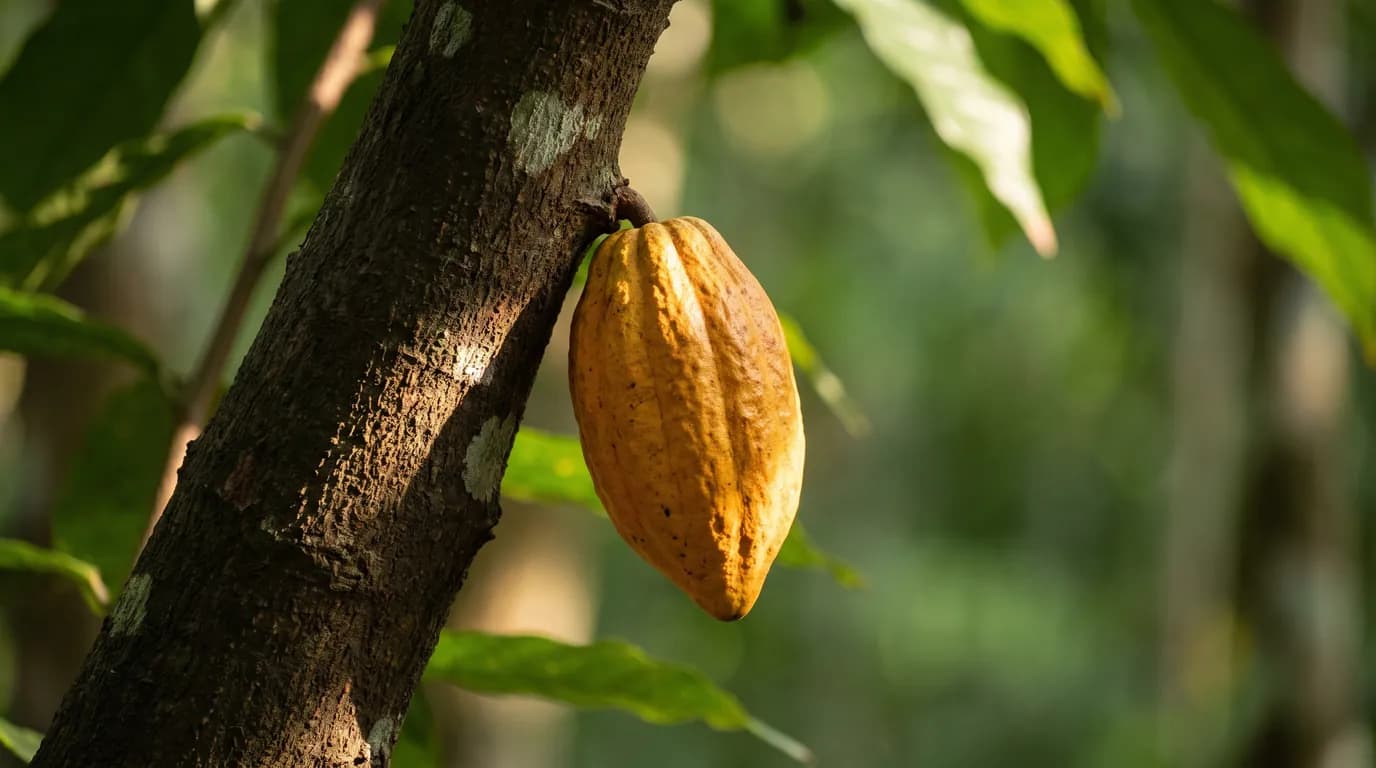
Table of Contents
- 01What is Arriba Nacional Cacao?
- 02The Volcanic Terroir of Manabí and Soil Science
- 03The International Cocoa Pricing Mechanism: NY and London Markets
- 04The Direct Export Pipeline from Ecuador: How to Buy Direct
- 05Organic Certification and Traceability in Manabí
- 06Supply Chain Economics: Bypassing the Middlemen
For craft chocolatiers, master blenders, and industrial food manufacturing companies, sourcing high-quality raw materials is a critical decision that defines the entire brand identity and sensory output of the final chocolate products. Among the various cacao varieties available in the global agricultural market, Ecuadorian Nacional Arriba occupies a legendary status. In this comprehensive guide, we will analyze the technical specifications, agricultural practices, and financial frameworks governing the sourcing, pricing, and export of this fine aroma cacao directly from our processing plant in Cayambe and 100 allied farms in Manabí, Esmeraldas and Pichincha, Ecuador. Our goal is to provide B2B buyers with a clear roadmap for purchasing raw materials that enhance their product lines.
What is Arriba Nacional Cacao?
Arriba Nacional is a genetically unique variety of cacao native to Ecuador, belonging to the species Theobroma cacao. Historically classified under the general category of "Fino de Aroma" (fine aroma), it is globally recognized for its complex sensory profile. This profile features prominent floral jasmine, orange blossom, and rose notes, balanced by mild fruit acidity (such as green apple and passion fruit) and a warm, low-astringency chocolate base. Unlike bulk or commodity cacao (primarily Forastero or high-yield clones like CCN-51), which deliver flat, bitter, and highly astringent flavor profiles, Nacional Arriba beans possess a delicate cell structure that requires specialized fermentation and drying to release their characteristic volatile terpenes.
The term "Arriba" originates from the historical shipping docks in Guayaquil. In the 19th century, European traders searching for high-quality cacao were told that the best beans came from "upriver" (arriba in Spanish), referring to the Guayas river basin and surrounding coastal valleys. Today, this denomination represents a strict quality standard for premium chocolate makers worldwide who require authentic single-origin raw materials. To preserve this heritage, El Dulce Origen works directly with smallholder farmers in Manabí, Esmeraldas and Pichincha, ensuring that the historical Nacional trees are protected from cross-contamination with low-flavor industrial clones.
Sourcing authentic arriba cocoa beans and nacional cacao beans is the foundation of the craft chocolate movement, protecting biodiversity and supporting local farming families. By maintaining direct relationships with our growers, we ensure that the agricultural practices protect the genetic integrity of this unique crop, providing a stable supply of cacao arriba nacional for chocolate making. This direct partnership also allows us to implement sustainable agroforestry techniques, which enrich the soil and protect the local microclimate, establishing a resilient supply chain that benefits both the farmers and B2B buyers.
The Volcanic Terroir of Manabí and Soil Science
The unique sensory profile of Arriba Nacional is not solely due to genetics; it is also a product of the terroir. In the province of Manabí, where our 100 allied farms are located, the geographical conditions are ideal for cacao cultivation. The region features volcanic soils rich in minerals like potassium, magnesium, and calcium, which are essential for the health of the cacao trees. The neutral-to-slightly-acidic soil pH (ranging between 6.2 and 7.2) allows the root systems to absorb nutrients efficiently without absorbing heavy metals like cadmium. The coastal Pacific breeze creates a stable microclimate with moderate humidity levels, preventing the development of fungal diseases without requiring synthetic fungicides.
This natural soil chemistry and climate shape the precursor volatile compounds that develop during fermentation, establishing a standard for B2B buyers who require authentic origin cacao. Sourcing from our integrated farm network ensures that the raw materials carry the distinct sensory signature of the Manabí terroir. This terroir-driven quality is what differentiates specialty cacao from generic bulk commodities, allowing chocolatiers to create single-origin bars with unique flavor stories. You can read more about this in our Single Origin Cacao Terroir Hub or explore our guide on Ecuadorian cacao bean grades (ASE vs ASSS). We also recommend checking our comparison of Arriba Nacional vs. CCN-51 for a complete genetic analysis.
The International Cocoa Pricing Mechanism: NY and London Markets
Understanding the pricing of specialty cacao requires analyzing the global financial markets. Cacao is traded as a commodity on two major futures exchanges: ICE Futures US (New York) trades in US dollars per metric ton, serving as the benchmark for Americas-based contracts. ICE Futures Europe (London) trades in British pounds per metric ton, serving as the benchmark for European and African trade. These futures markets dictate the baseline price for bulk or commodity cacao, reflecting global supply and demand dynamics, weather patterns in West Africa, and speculative trading.
However, specialty cacao like Arriba Nacional does not trade at the commodity price. B2B transactions for fine aroma beans utilize a pricing formula that includes the market baseline plus a quality differential premium: Final Price = ICE Futures Baseline + Quality Differential Premium. The premium is determined by physical grade (ASSS vs. ASE), genetic purity, geographical origin, and certifications (such as organic or fair trade). For example, while bulk Forastero beans trade at the strict market index, our single-origin Nacional Arriba beans from Manabí command a substantial premium due to their limited availability, complex flavor profile, and direct-trade structure. This pricing model ensures that the farmers are paid fairly, protecting the agricultural economy from the extreme volatility of the commodity exchanges. It also guarantees B2B buyers a reliable supply of premium cacao de exportación ecuador from established exportadores de cacao ecuador, securing the raw material needed for high-end chocolate making.
The Direct Export Pipeline from Ecuador: How to Buy Direct
Sourcing directly from the origin eliminates middlemen and ensures cargo integrity. At El Dulce Origen, our export process from Manabí is fully integrated, covering every phase from harvest to port delivery:
- Farm Harvesting and Selection: Pods are harvested manually at peak ripeness. The beans are extracted and moved to our central facility within 24 hours to prevent premature fermentation.
- Post-Harvest Control: Controlled fermentation in laurel wood boxes is followed by slow sun-drying on raised wooden beds until the moisture content reaches exactly 7.0%.
- Quality Grading: The beans are sorted and graded under Ecuadorian INEN standards. The ASSS grade guarantees a fermentation rate above 75% and low defect levels.
- Packaging and Shipping: Beans are packed in 60-kilogram food-grade jute sacks, optionally with GrainPro liners, and loaded into containers at the Port of Guayaquil.
To buy direct, B2B importers coordinate with our logistics team to request a sample box, review our GMP-backed quality documentation (laboratory analyses for heavy metals and microbiological parameters are available on request), and establish annual volume contracts to secure pricing. Our factory handles all phytosanitary checks and customs documentation, delivering a seamless import experience for chocolate factories and distributors globally. Sourcing your raw materials directly from our integrated plant ensures complete traceability and consistent quality, helping you build a sustainable and successful product line.
Ready to secure your supply of premium Nacional Arriba beans? You can request a custom quote and laboratory samples today. Contact our sales department directly to discuss your manufacturing specifications and import requirements. Visit our Quote Page to start your inquiry and connect with our sourcing team in Ecuador.
Organic Certification and Traceability in Manabí
For B2B buyers importing into the European Union or North America, agricultural certifications are not merely marketing assets but legal requirements. El Dulce Origen does not currently hold USDA Organic or EU Organic certification; our supply is backed instead by full traceability and the continuous GMP monitoring of environment, equipment, and product at our Cayambe processing facility. Many of our roughly 100 allied farms follow organic practices, and organic certification can be pursued for long-term contract volumes that require it. This transparent oversight ensures that the arriba cocoa beans we supply meet the clean-label requirements of modern consumers.
Supply Chain Economics: Bypassing the Middlemen
The traditional cocoa supply chain is highly fragmented, with multiple intermediaries (local collectors, consolidators, exporters, and brokers) inflating the cost while reducing the farmers' income. By utilizing a direct trade model, El Dulce Origen bypasses this network entirely. We coordinate directly with our farm owners, providing them with technical assistance, stable prices insulated from the ICE futures volatility, and productivity bonuses. This direct-sourcing model guarantees B2B chocolate brands complete transparency, allowing you to trace each bag of national cacao beans back to its specific farm in Manabí. This ethical supply chain enhances brand trust and protects your manufacturing lines from supply disruptions.
Anyone reading into the history of cacao arrives at Ecuador early, because the Nacional variety was already the reference for aromatic cacao in European trade well before modern classification existed, and the name Arriba itself comes from the up-river shipments on the Guayas basin. That history matters commercially for one reason only: the genetic material behind today's fine-flavor lots descends from those populations, and the aromatic profile buyers pay a premium for is a varietal trait reinforced by post-harvest practice, not a marketing story attached after the fact. It also explains why origin claims deserve verification, since the reputation is old enough and valuable enough to be borrowed.
Related reading: Cacao Origins Compared: A Sourcing Guide for B2B Buyers.
Cacao Beans
Interested in sourcing this product directly from our factory in Cayambe, Pichincha?
Frequently Asked Questions About This Topic
What is the difference between ASSS and ASE grades?
ASSS (Arriba Super Fine Superior) requires a minimum of 75% fully fermented beans and a maximum of 7% moisture, while ASE (Arriba Superior Export) allows a minimum of 65% fermentation.
How does the ICE futures market affect specialty cacao pricing?
The ICE market sets the baseline price for commodity cacao. Specialty cacao is priced using this baseline plus a quality differential premium.
What is the standard packaging size for bulk exports?
We export our beans in standard 60-kilogram food-grade jute sacks, which can be lined with GrainPro bags to maintain freshness during sea transit.
How does direct trade protect the farmers?
By bypassing middlemen, we guarantee that a larger portion of the final price goes directly to our 100 allied families in Manabí, Esmeraldas and Pichincha.
Do you perform metal testing on all export batches?
Testing is available on request: buyers can commission a certified ICP-MS heavy metal analysis (specifically cadmium) of their batch prior to sea shipment.
Related articles
Arriba Nacional vs. CCN-51 Cacao: Protecting Ecuador’s Heirloom Cacao Heritage
Compare Ecuador's heirloom 'Nacional' fine aroma cacao with the high-yielding hybrid CCN-51. Why specialty chocolate makers choose heritage.
Read ArticleThe Flavor Profile of Manabí Cacao: Understanding Coastal Terroir
Discover how the unique climate, soil, and post-harvest methods of Manabí shape the sensory characteristics of Nacional Arriba cacao.
Read ArticleHow to Prepare Cacao Beans: Roasting, Winnowing, and Stone-Milling
Learn how to prepare raw cacao beans at home or in an artisanal setup. A step-by-step guide to roasting, winnowing, grinding, and ceremonial preparation.
Read Article