Cacao Nibs Nutrition: Bioactive Compounds and Health Benefits
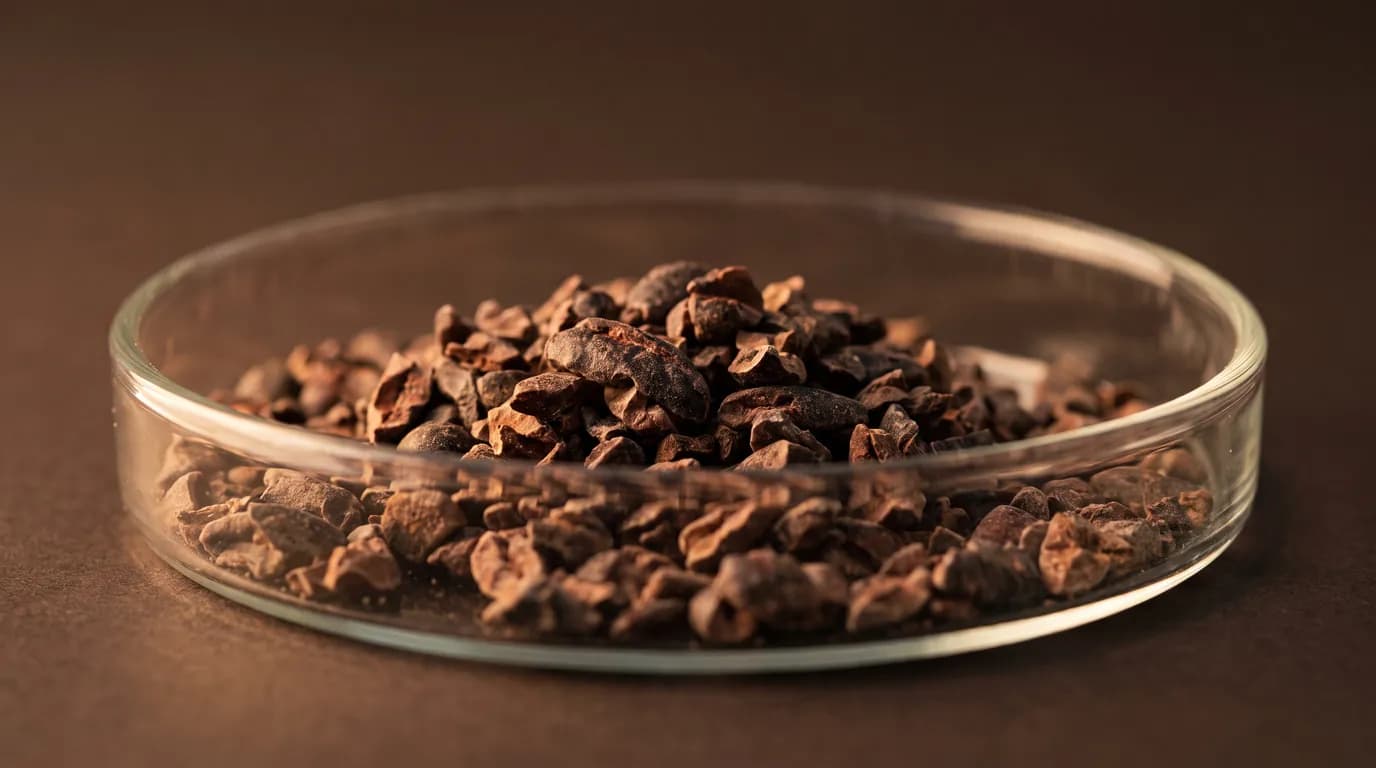
Table of Contents
- 01What is the Nutritional Profile of Cacao Nibs?
- 02Antioxidants and Flavanols: The True Superfood Science
- 03Essential Minerals and Neurochemical Compounds
- 04Are Cacao Nibs Healthy? B2B Perspectives on Functional Ingredients
- 05Dietary Fiber: Insoluble and Soluble Fractions
- 06Polyphenol Bioavailability and Endothelial Function
- 07Delta-9 Desaturase and Stearic Acid Neutrality
- 08Mitochondrial Support: Magnesium and Copper Interactions
- 09Cacao Nibs Side Effects and Recommended Daily Intake
- 10Sourcing and Post-Harvest Processing in Ecuador
As consumer demand shifts toward clean-label foods and nutrient-dense ingredients, cacao nibs have emerged as a premier superfood. For food manufacturers and health brands, understanding the nutritional profile of this raw ingredient is essential for developing functional products. In this guide, we analyze the nutrition of cacao nibs, highlighting their bioactive compounds, antioxidant capacity, and overall health values directly from our certified production facility in Cayambe, Pichincha, and our network of 100 allied farms in Manabí, Esmeraldas, and Pichincha, Ecuador. We aim to clarify the scientific properties that make this ingredient so valuable.
What is the Nutritional Profile of Cacao Nibs?
Cacao nibs are the crushed cotyledons of fermented, dried, and roasted cacao beans. Since they are the least processed form of chocolate, they retain the original lipid-protein matrix of the seed. A standard 100-gram serving of pure, unsweetened cacao nibs from El Dulce Origen contains approximately: Calories: ~570-600 kcal (derived from healthy plant fats), Total Fats: 52g to 54g (composed of oleic, stearic, and palmitic acids), Dietary Fiber: 25g to 30g (supporting digestive health and promoting satiety), Proteins: 11g to 13g (essential amino acids), Sugars: 0g (naturally sugar-free).
This macro-nutrient profile makes cacao nibs an exceptional ingredient for keto, paleo, vegan, and diabetic-friendly food formulations. The high fat content consists of stearic acid (which does not raise LDL cholesterol levels) and oleic acid (the same monounsaturated fat found in olive oil), offering a heart-healthy profile for functional food brands. Integrating these nibs into your products allows you to declare magnesium-rich claims on your packaging. You can read more about this in our Premium Kakaonibs Hub or check the product details on our cacao nibs product page. We also suggest checking our guide on cacao nibs B2B industrial applications for manufacturing insights.
Antioxidants and Flavanols: The True Superfood Science
The primary health value of cacao nibs lies in their concentration of polyphenols, specifically monomeric flavan-3-ols (epicatechin and catechin) and oligomeric proanthocyanidins. These compounds are powerful antioxidants that scavenge free radicals, reduce oxidative stress, and improve vascular function by promoting nitric oxide synthesis in endothelial cells.
Compared to other antioxidant-rich foods, raw or low-temperature roasted cacao nibs display an exceptionally high Oxygen Radical Absorbance Capacity (ORAC) score. Because we control the fermentation and roast profiles at our factory in Cayambe, we minimize the thermal degradation of these delicate molecules. This ensures that the Premium Kakaonibs we export deliver maximum bioactive benefits, making them a preferred choice for clean-label food brands. The high concentration of flavanols supports cellular health and vascular elasticity, providing a functional benefit that consumers appreciate. Studies indicate that regular consumption of these compounds helps maintain healthy blood pressure levels and supports cardiovascular function.
Essential Minerals and Neurochemical Compounds
In addition to antioxidants, cacao nibs are a dense source of essential minerals and mood-supporting neurochemicals. A small portion of nibs provides significant levels of magnesium, which regulates muscle contractions and supports nerve function, along with iron, potassium, and zinc. These minerals are vital for maintaining systemic homeostasis, particularly in active lifestyles. A single serving can provide up to 30% of the recommended daily intake of magnesium, helping combat the dietary deficiencies common in modern diets.
Furthermore, cacao nibs contain theobromine, a mild stimulant that dilates blood vessels and supports cardiovascular flow. Unlike caffeine, which can cause spikes in blood pressure and heart rate, theobromine provides a sustained, gentle energy boost. The presence of trace compounds like phenylethylamine (PEA) also stimulates endorphin release, explaining the mild mood-enhancing properties of raw cacao. This combination of mineral density and neurochemical support elevates cacao nibs from a simple baking ingredient to a highly functional superfood suited for health-oriented brands. The slow absorption of theobromine due to the natural fats prevents the energy spikes and crashes typical of coffee.
Are Cacao Nibs Healthy? B2B Perspectives on Functional Ingredients
When wellness consumers ask 'are cacao nibs healthy?', B2B product developers can support their claims with biochemical facts. Cacao nibs contain substantial concentrations of essential minerals, particularly magnesium, iron, and copper. Sourcing our premium, sugar-free nibs ensures your products remain free from synthetic chemical residues, enhancing your brand trust. The combination of dietary fiber, high-quality fats, and zero sugars makes cacao nibs a valuable ingredient for weight management formulations and healthy snacking alternatives, aligning with current consumer trends towards functional nutrition. Incorporating them into breakfast cereals or bars increases the fiber and mineral profile without compromising on the clean-label status of the end product.
Dietary Fiber: Insoluble and Soluble Fractions
Cacao nibs are a power plant of dietary fiber, containing both soluble and insoluble fractions. Around 70% of the fiber in cacao consists of insoluble cellulose and hemicellulose, which add bulk to the digestive system and promote regular bowel movements. The remaining 30% consists of soluble fibers like pectins, which ferment in the colon to produce short-chain fatty acids (SCFAs) like butyrate. These SCFAs nourish the cells of the gut lining and support healthy gut microbiota. Including cacao nibs in functional food bars provides consumers with a natural digestive aid that satisfies clean-label standards.
Polyphenol Bioavailability and Endothelial Function
The cardiovascular benefits of cacao polyphenols depend on their bioavailability. Once consumed, monomeric flavanols like epicatechin are rapidly absorbed in the small intestine, reaching peak plasma concentration within two hours. These compounds stimulate endothelial nitric oxide synthase (eNOS), which synthesizes nitric oxide (NO) in the blood vessel walls. Nitric oxide promotes vasodilation, reducing blood pressure and improving overall arterial elasticity. To maximize this bioactive performance, avoid pairing cacao nibs with high-protein dairy products, as casein can bind to polyphenols and reduce their absorption rate in the body.
Delta-9 Desaturase and Stearic Acid Neutrality
A major focus of clinical nutrition surrounding cacao fats is the biochemical pathway of stearic acid (C18:0). Stearic acid constitutes approximately 33% of the fatty acids in cacao butter. Although it is a saturated fatty acid, it behaves differently from other saturated fats like palmitic acid. Once ingested, stearic acid undergoes rapid conversion in the liver to oleic acid (C18:1), a monounsaturated omega-9 fatty acid, catalyzed by the delta-9 desaturase enzyme (also known as stearoyl-CoA desaturase). Consequently, dietary stearic acid from cacao nibs remains neutral in its effect on blood lipid profiles and does not raise low-density lipoprotein (LDL) cholesterol levels. This metabolic pathway is a key selling point for wellness brands formulating high-fat, clean-label products such as functional chocolate bars or keto-friendly snack inclusions.
Mitochondrial Support: Magnesium and Copper Interactions
The mineral matrix of Nacional Arriba cacao nibs is highly bioavailable, particularly regarding magnesium and copper. Magnesium acts as a critical cofactor in adenosine triphosphate (ATP) synthesis, playing a role in over 300 metabolic pathways. Copper is essential for cytochrome c oxidase, the terminal enzyme of the mitochondrial respiratory chain, which is responsible for cellular energy production. Together, these minerals support cellular respiration and oxidative phosphorylation. Sourcing cacao nibs from trees grown in mineral-rich Ecuadorian soils guarantees a high density of these trace elements, providing food manufacturers with a raw material that naturally enhances the nutritional claims of breakfast cereals, protein powders, and healthy snacks without the need for synthetic fortification.
Cacao Nibs Side Effects and Recommended Daily Intake
For the vast majority of consumers, cacao nibs are well tolerated. Their main bioactive stimulants are theobromine (roughly 200 mg per 10 g serving) and a modest dose of caffeine (about 25 mg, a quarter of a typical cup of coffee). Individuals who are sensitive to stimulants may notice restlessness or lighter sleep when nibs are consumed late in the day, a factor formulators of evening products should account for.
Cacao is also a high-oxalate food: people prone to calcium-oxalate kidney stones are usually advised to moderate their intake. In rare cases, the biogenic amines naturally present in fermented cacao can act as a migraine trigger in susceptible individuals. A sensible daily intake for healthy adults is one to two tablespoons (10-20 g), enough to obtain meaningful flavanol and mineral contributions without an excessive stimulant load. Note that theobromine is toxic to dogs, so pet-food applications must exclude cacao entirely.
Sourcing and Post-Harvest Processing in Ecuador
Sourcing premium cacao nibs requires strict control over the post-harvest fermentation and drying stages, which determine the precursor molecules for both flavor and antioxidant retention. Our network of allied farms in Manabí, Esmeraldas, and Pichincha harvest only mature pods of the Nacional Arriba variety. The beans are fermented for 5 to 6 days in specialized micro-batches using local hardwood boxes, allowing the temperature to reach 48°C. This specific fermentation curve reduces bitterness and astringency while preserving the delicate flavanols. Following fermentation, the beans are sun-dried on raised wooden beds to a precise moisture level of 7.0%. The dried beans are then transported to our processing facility in Cayambe, Pichincha, where they undergo calibrated winnowing, sorting, and low-temperature roasting. This integrated supply chain ensures maximum purity, consistent fat content, and compliance with strict heavy metal and microbiological B2B quality standards. Organic certification is available upon request for long-term contract volumes, and we operate under continuous GMP monitoring.
Whether a buyer's brief calls for raw cacao nibs or writes the same request as cocoa nibs raw, the material shipped is identical: unroasted or lightly roasted, never Dutch-processed, with the full native fat still locked inside the cell walls. That distinction from roasted or alkalized nibs is the one worth confirming on the purchase order, not the choice of \"cacao\" versus \"cocoa.\"
Related reading: Brewing Cocoa and Cacao Husk Tea: A B2B Sourcing Guide.
Cacao Nibs
Interested in sourcing this product directly from our factory in Cayambe, Pichincha?
Frequently Asked Questions About This Topic
What are the main minerals found in cacao nibs?
Cacao nibs are rich in magnesium, iron, potassium, and copper, which support cardiovascular health and muscle function.
Do cacao nibs contain caffeine?
They contain a small amount of caffeine, but the primary stimulant is theobromine, which provides a gentle and sustained energy boost.
Are there side effects to eating cacao nibs?
They are safe for most people. Due to their theobromine and caffeine content, very large amounts may affect sleep in sensitive individuals, and people prone to oxalate kidney stones should moderate intake. A common daily portion is 1-2 tablespoons (10-20 g).
Are your cacao nibs allergen-free?
Yes, our pure nibs are naturally gluten-free, dairy-free, and processed in a facility that does not handle common allergens.
What is the ORAC score of cacao nibs?
Pure cacao nibs have an ORAC score of approximately 95,000 units per 100g, placing them among the highest antioxidant foods globally.
How does the fat in cacao nibs affect cholesterol?
The fat is composed primarily of stearic acid, which the liver converts to oleic acid, meaning it does not raise LDL cholesterol.
Related articles
Cacao Nibs in Industrial Food Manufacturing: B2B Applications
Discover the role of cacao nibs in large-scale food manufacturing. A guide to bakery, granola, snack bars, chocolate inclusions, and wholesale logistics.
Read ArticleWhat Are Cacao Nibs? A Complete Definition Guide
A clear, no-jargon definition of cacao nibs: how they're made from bean to nib, how they differ from chocolate and cocoa powder, and how they're used.
Read ArticleCacao Nibs and Blood Sugar: What the Science Shows
The glycemic profile of cacao nibs explained: zero sugar, fiber, and flavanols, what the science suggests about insulin sensitivity, and diabetic-friendly formulation uses.
Read Article